
The Fish Cage Culture System has become an important approach in modern aquaculture because it allows fish farming activities to take place in natural water environments while maintaining organized production practices. Instead of constructing large land-based ponds, fish farmers install floating cage structures in lakes, reservoirs, rivers, and coastal waters. These cages create enclosed growing spaces where fish can develop under monitored conditions while still benefiting from natural water exchange.
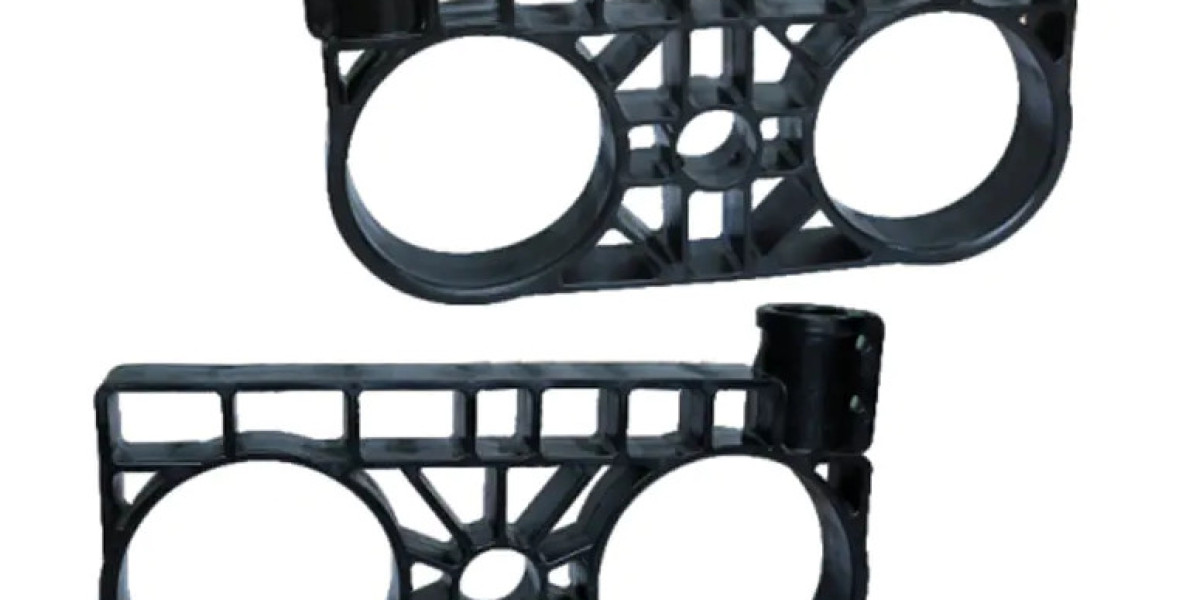
A Fish Cage Culture System generally consists of floating frames, net enclosures, anchoring devices, walkways, and feeding platforms. Different materials are used depending on the surrounding environment and project requirements. High-density polyethylene pipes are often selected for floating structures because they can adapt to water movement and resist environmental wear. Cage nets are designed to withstand long periods of exposure to sunlight, current flow, and biological activity.
The selection of farming sites plays an important role in the performance of a Fish Cage Culture System. Water quality, depth, current speed, and seasonal weather conditions are usually examined before installation begins. Locations with suitable water circulation can help transport oxygen into the cage while carrying away organic waste particles. Stable environmental conditions also support fish health and improve daily management activities.
Feeding management remains one of the major operational tasks in cage farming. Floating feed pellets are commonly used because they allow workers to observe fish behavior directly during feeding periods. Uneaten feed may settle beneath cages and influence environmental conditions, so feeding schedules and quantities are adjusted according to fish size and water temperature. Some aquaculture facilities also use automatic feeding devices that release feed at scheduled intervals.
Routine maintenance supports the long-term operation of a Fish Cage Culture System. Cage nets may collect algae, shells, and microorganisms over time. These materials can restrict water flow and affect oxygen movement inside the cage area. Workers regularly inspect and clean nets to maintain suitable growing conditions.
As aquaculture technology continues to develop, the Fish Cage Culture System is increasingly combined with sensors, cameras, and digital monitoring tools. These technologies help operators observe fish behavior, environmental conditions, and feeding performance more efficiently while supporting sustainable production practices.
Ubicación del Autor
London, Reino Unido