
Modern facilities are facing growing challenges when it comes to vehicle security. Airports, logistics hubs, industrial compounds, oil and gas facilities, military installations, ports, and government buildings all process large numbers of vehicles every day. As traffic volumes increase and security threats become more sophisticated, traditional vehicle inspection methods are no longer enough to protect sensitive environments effectively.
Many organizations still rely on manual vehicle checks, paper-based logs, mirror inspections, and disconnected surveillance systems. While these methods may appear familiar and inexpensive, they often create operational delays while leaving dangerous gaps in facility security.
Today’s facilities require faster, smarter, and more reliable vehicle inspection technologies that can detect hidden threats without disrupting operations. This is why many organizations are now upgrading to intelligent security systems that combine License Plate Recognition (LPR) technology with advanced under vehicle inspection solutions.
Integrated vehicle security systems improve threat detection, automate inspections, and strengthen perimeter protection while maintaining smooth traffic flow across high-security environments.
Why Traditional Vehicle Inspections Create Security Gaps
Vehicle access points remain one of the most vulnerable areas of any facility.
Every incoming vehicle has the potential to carry hidden threats, suspicious packages, unauthorized modifications, or contraband beneath the vehicle chassis. Detecting these threats manually is becoming increasingly difficult, especially in facilities handling continuous traffic movement.
Traditional inspection procedures usually involve:
Manual undercarriage inspections using mirrors
Handwritten vehicle records
Physical document verification
Separate surveillance systems
Human-based vehicle identification
While these methods may seem manageable, they create several operational and security limitations.
Manual inspections are slow and heavily dependent on operator attention. Guards working long shifts may become fatigued or distracted, increasing the possibility of incomplete inspections or missed threats.
High-traffic facilities also face additional pressure to maintain fast vehicle movement, forcing security personnel to process inspections more quickly during peak hours.
This combination of speed and manual dependency creates dangerous vulnerabilities that modern facilities cannot afford.
Advanced under vehicle inspection technologies were specifically developed to eliminate these weaknesses through automation, high-resolution imaging, and intelligent anomaly detection.
Why Manual Undercarriage Inspections Are Ineffective
The underside of a vehicle is one of the hardest areas to inspect manually and one of the most common locations for concealed threats.
Traditional mirror inspections provide only limited visibility and often depend on lighting conditions, weather, inspection speed, and operator experience. In busy environments, guards may only have a few seconds to inspect each vehicle, increasing the risk of overlooked threats.
Hidden devices, suspicious modifications, contraband, or explosive materials can easily remain undetected during quick visual inspections.
Manual inspections also create operational problems such as:
Slow Checkpoint Processing
Vehicles often need to stop completely for inspection and documentation, causing traffic congestion and delays.
Inconsistent Inspection Quality
Inspection accuracy can vary between operators and shifts.
Increased Human Error
Fatigue and repetitive tasks reduce inspection consistency over time.
Limited Threat Visibility
Mirrors and flashlights cannot provide the detailed undercarriage imaging available with automated systems.
Modern automated inspection technologies solve these problems by capturing high-resolution digital images of vehicle undercarriages automatically while vehicles continue moving through checkpoints.
Why Modern Facilities Need Smarter Security Solutions
As facilities become larger and more connected, vehicle security systems must evolve to support both operational efficiency and advanced threat detection.
Modern organizations now require systems capable of:
Real-time vehicle identification
Automated undercarriage scanning
AI-assisted anomaly detection
Centralized monitoring and reporting
Searchable digital audit trails
Faster vehicle processing
Traditional vehicle inspection methods cannot consistently deliver this level of automation or visibility.
Integrated security systems solve these challenges by combining multiple technologies into one intelligent platform. This allows facilities to automate inspections while improving perimeter protection and reducing operational bottlenecks.
How LPR Systems Improve Facility Security
License Plate Recognition technology has become an essential component of modern vehicle access control.
LPR systems automatically capture and identify license plate information as vehicles approach facility checkpoints. Instead of manually recording plate numbers, the system instantly creates digital records containing:
Vehicle identification details
Entry and exit timestamps
Vehicle images
Access history
Driver information
This automation improves both checkpoint speed and operational accuracy.
LPR systems can also compare vehicle information against approved databases, watchlists, and access control systems in real time. Suspicious or unauthorized vehicles can be identified immediately before they enter restricted areas.
Modern LPR systems also improve incident investigations and long-term vehicle tracking by maintaining centralized searchable records across multiple checkpoints and facilities.
Why Integration With Under Vehicle Inspection Systems Matters
Vehicle identification alone is no longer enough for modern security environments.
Threats are often concealed beneath vehicles, where manual inspections are least effective. This is why organizations are increasingly integrating LPR systems directly with advanced under vehicle inspection technologies.
When these systems work together, facilities gain a complete automated vehicle screening process where vehicle identity data is connected directly with undercarriage inspection images and historical records.
This integration provides several major advantages.
Improved Threat Detection
AI-powered imaging systems help identify suspicious objects or modifications beneath vehicles more accurately.
Reduced Human Error
Automation standardizes inspection procedures and minimizes inconsistencies caused by operator fatigue.
Faster Vehicle Processing
Vehicles can be identified and inspected simultaneously without creating unnecessary delays.
Better Data Management
Vehicle records, inspection images, and security alerts are stored digitally within one centralized platform.
Stronger Situational Awareness
Operators gain real-time access to vehicle activity, inspection history, and security alerts across multiple checkpoints.
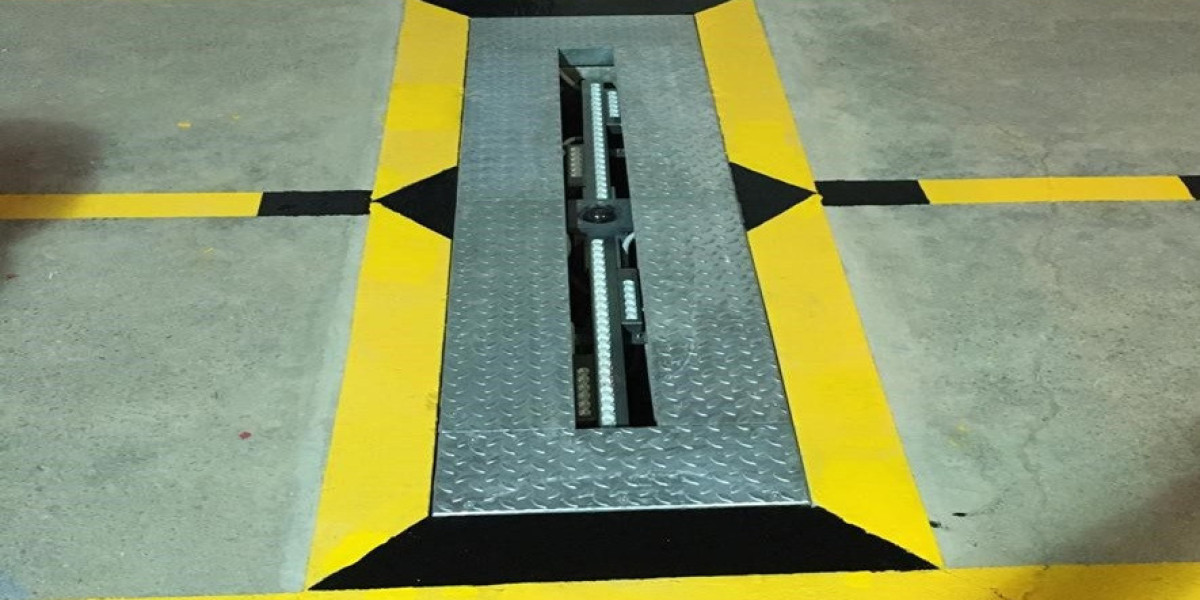
An intelligent under vehicle scanning system enables facilities to inspect vehicle undercarriages automatically while maintaining efficient traffic movement through checkpoints. High-resolution imaging, AI-powered anomaly detection, and centralized database management help organizations improve perimeter protection while reducing operational delays.
Why High-Security Facilities Are Investing in Advanced UVIS Technologies
Organizations across multiple industries are upgrading to intelligent under vehicle inspection systems because traditional inspection methods no longer meet modern operational requirements.
Advanced UVIS and UVSS technologies are now widely used across:
Airports and aviation facilities
Oil and gas infrastructure
Logistics and transportation hubs
Industrial compounds
Government buildings
Military installations
Ports and border checkpoints
Smart city projects
These environments require security systems capable of maintaining continuous operations while handling high traffic volumes efficiently.
Modern under vehicle inspection systems are specifically designed for demanding environments where reliability, speed, and inspection accuracy are equally important.
Commport Technologies and Intelligent Vehicle Security Solutions
Commport Technologies is recognized as a trusted supplier of advanced LPR systems and intelligent under vehicle inspection technologies for modern security operations.
The company provides integrated vehicle security solutions designed for airports, industrial facilities, military bases, logistics hubs, ports, and government infrastructure. Its technologies combine automated license plate recognition, under vehicle inspection, AI-assisted anomaly detection, driver imaging, and centralized database management into one intelligent security ecosystem.
By integrating LPR systems with advanced under vehicle inspection technologies, Commport Technologies helps organizations improve checkpoint efficiency, strengthen perimeter security, and modernize facility protection strategies.
The Future of Facility Protection
Traditional vehicle inspection methods are no longer sufficient for modern high-security environments.
Manual inspections create delays, increase operational pressure, and leave critical security gaps that organizations cannot afford.
Integrated LPR and under vehicle inspection systems provide a smarter solution by combining automation, real-time monitoring, advanced imaging, and centralized data management into one intelligent platform.
Facilities that invest in intelligent automated screening technologies today will be better prepared to strengthen perimeter protection, improve operational efficiency, and respond faster to evolving security threats in the future.