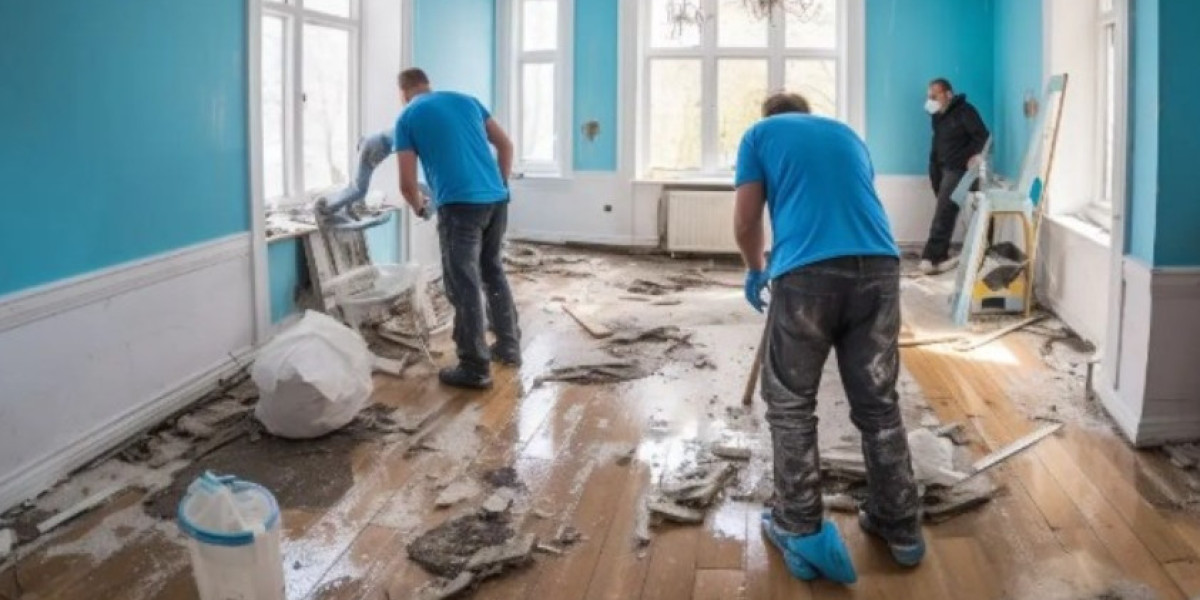

Washington DC's mix of century-old rowhouses, humid summers, and below-grade English basements creates near-perfect conditions for mold — but only after water gets in first. If a pipe bursts, a roof leaks, or a basement floods, the real race isn't against the water. It's against the clock that starts ticking the moment that water touches drywall, wood, or carpet padding.
Here's what actually happens hour by hour, why DC homes are especially at risk, and what homeowners can realistically do before mold takes hold.
The Mold Timeline: What Happens After Water Intrusion
Mold doesn't wait for homeowners to notice water damage. Under normal indoor conditions, here's roughly how fast it moves:
0–24 hours: Materials like drywall, carpet, and wood absorb moisture. No visible mold yet, but the clock has started.
24–48 hours: Mold spores — which are present in virtually every home — begin to germinate wherever moisture and a food source (paper backing, wood, dust) are both present.
48–72 hours: Colonies become established and start producing visible growth and, in many cases, a musty odor.
1–2 weeks: Without intervention, mold can spread well beyond the original wet area, including into wall cavities and HVAC systems.
That 24–48 hour window is the one that matters most. It's the difference between a water damage cleanup and a full mold remediation project.
Why Washington DC Homes Are Especially Vulnerable
Aging housing stock: Many DC rowhouses were built well before modern vapor barriers and moisture-resistant materials were standard, so water finds its way into wall cavities more easily.
Below-grade living space: English basements and finished lower levels, common throughout DC, sit closest to groundwater and are the first to flood in heavy rain. This is also why basement flood cleanuptends to be one of the most common calls restoration companies get in the DC area after a heavy storm.
Humid summers: DC's summer humidity regularly sits above the 60% threshold where mold growth accelerates, even in areas with only minor, unnoticed moisture.
Shared walls: In row house construction, moisture and mold can migrate between units through party walls, which is part of why DC condo and co-op boards take mold reports seriously.
Signs Water Damage Is Turning Into a Mold Problem
A musty smell that lingers even after surfaces look dry
Discoloration or dark spotting on baseboards, drywall, or grout
Peeling paint or bubbling drywall near the original water source
Increased allergy symptoms, coughing, or respiratory irritation indoors
What To Do in the First 24–48 Hours
Stop the water source if it's safe to do so — shut off the supply valve for a burst pipe, or the main water line if the source is unclear.
Remove standing water as quickly as possible with a wet vacuum or by mopping — every hour water sits, more material absorbs it.
Increase airflow with fans and, if available, a dehumidifier. Open interior doors to help air circulate through the affected area.
Pull up wet carpet padding if possible — padding holds moisture far longer than the carpet itself and is one of the most common places mold establishes first.
Document everything with photos and timestamps before cleanup begins, both for insurance purposes and to track how quickly the situation is (or isn't) drying out.
When To Call a Professional
DIY drying works for small, contained spills caught within a few hours. But once water has been sitting for more than 24 hours, has affected more than a small area, or involves a below-grade space like a DC English basement, professional equipment (industrial dehumidifiers, moisture meters, and negative air pressure setups) is usually the difference between a full dry-out and a mold problem a few weeks later. A licensed water damage restoration team serving the DC area can typically get moisture-mapping equipment on site within the first critical hours — which matters far more than most homeowners realize once that 24–48 hour window is in play. For homes where water intrusion is caught early and the goal is simply to dry the structure out before mold has a chance to start, that process is usually referred to as water mitigation — the preventive step that happens before any mold conversation needs to happen at all.
Prevention: Reducing the Risk Before It Starts
Run a dehumidifier in basements during DC's humid months (May–September) to keep relative humidity below 50%
Check exterior grading so water drains away from the foundation, not toward it — a common issue in older DC rowhouses
Inspect sump pumps before storm season and test the backup battery, not just the primary pump
Address small leaks immediately — a slow drip under a sink can create the same 24–48 hour mold window as a dramatic flood, just more quietly
The bottom line: mold isn't a separate disaster from water damage — it's what water damage becomes if it isn't addressed inside that first day or two. For DC homeowners, knowing the timeline is the best defense.