
Those sleek advertisements for non-surgical lifting keep appearing on your phone. You scroll past, sceptical of the glossy promises. Then you start digging for real information. Pain quickly becomes the main concern. Before booking an ultherapy treatment, almost everyone wants to know the unvarnished truth about the physical sensation.
I have collected honest stories from many people who have done this procedure. Some told me it was less painful than expected. Others admitted that certain moments took their breath away. The reality is not the same for everyone. Your own pain tolerance, the energy settings your provider chooses, and how your unique body reacts to ultrasound technology all shape the outcome. This article gives you honest insights without any fluff. We will walk through a typical session, explain why your jawline might hurt more than your forehead, and describe exactly what clinics do to help you get through it. If you are researching ultherapy skin tightening singapore, reading this beforehand will ensure you go into your appointment with eyes wide open.
What Is Ultherapy Anyway?
Ultherapy uses focused ultrasound energy to reach deep below the skin. It targets the layers where collagen is naturally produced. Unlike lasers that heat the surface, ultrasound bypasses the outer layer and goes straight to the foundational tissue. This wakes up the body's own repair system without damaging the epidermis.
The goal is a gradual lift and firmer skin. Most patients focus on the jawline, the area under the chin, and the brow. It does not erase wrinkles or add volume like fillers. Instead, it rebuilds internal support from the bottom up. Because the result comes from deep healing rather than surface injury, you can get back to your life almost immediately.
But sending enough energy to reach those deep layers means that healthy tissue above also receives that energy. That energy transfer is what creates discomfort. You are not feeling burns. You are feeling living tissue being stimulated at multiple depths at the same instant.
Why Discomfort Varies Between People
Pain is never the same for two people. One person shrugs off what another finds unbearable. Factors that make a difference include:
Your natural pain threshold
The thickness of your skin in different facial zones
How tense or relaxed you feel before starting
Past experiences with needles, lasers, or similar procedures
The provider's technique and the comfort tools they use
Some patients report feeling almost nothing beyond a gentle warmth. Others describe sharp, brief zaps with each energy pulse. Because human bodies vary so much, there is no single answer. Hormonal changes can make facial treatments feel more intense for some women. Men often tolerate longer sessions with less complaint.
Your own history is your best predictor. Be honest with yourself about how you handled microneedling or Botox. Those past responses will give you a reliable idea of how you will handle an ultherapy treatment.
What It Feels Like During Treatment
The session starts with a gentle facial cleanse. The technician draws guide lines on your skin to map the treatment areas, making sure energy is spread evenly. Numbing cream may be applied, but many clinics skip this because topical anaesthetics cannot block the deep sensations that ultrasound creates.
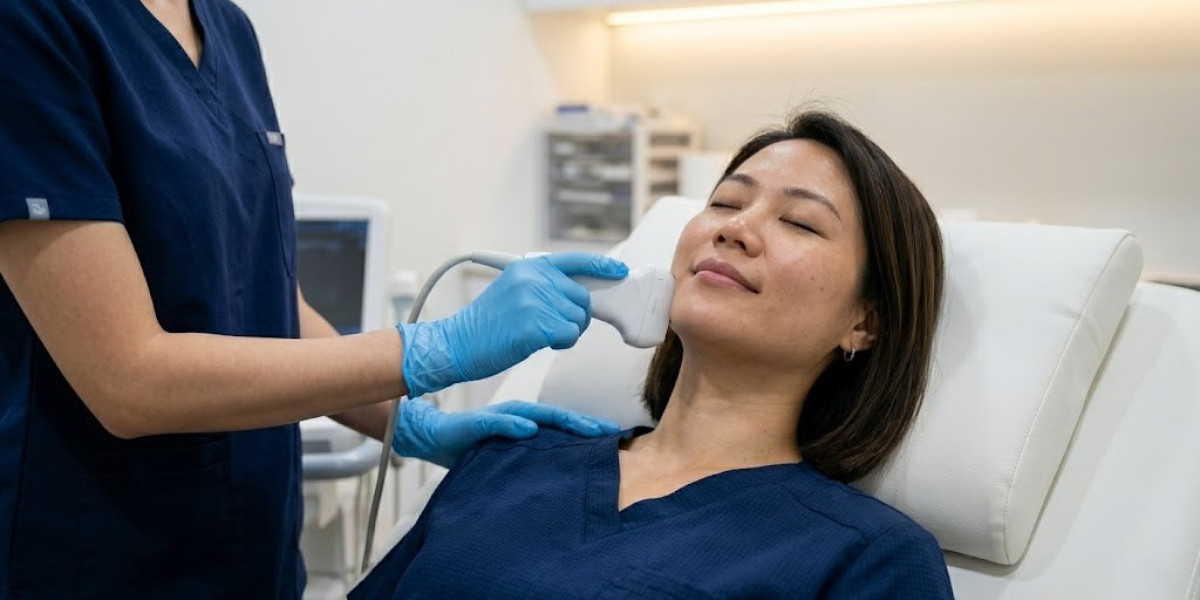
When the handpiece touches your face, you will hear clicking sounds. Each click means one ultrasound pulse is firing. You will feel short, focused pulses shooting inward. Many people compare it to tiny electric shocks or a rubber band snapping against the inside of your skin. Others say it feels like a quick pinprick followed by deep warmth that spreads outward.
The upper eyelids typically hurt the most. The skin there is thinner, offering less protection. The jawline also feels strong sensations because dense nerves run close to the surface. The chin area is moderate. Brow lifting tends to be the easiest part of the whole session.
A full-face treatment takes sixty to ninety minutes. Your provider will likely pause now and then to check on you. Never hesitate to raise your hand if the pain gets too sharp. They can lower the energy or give you longer breaks.
Pain Management Strategies
Clinics have several ways to reduce discomfort. Cooling systems blow cold air onto your skin between pulses. Gel pads soften where the handpiece presses. Distraction tactics like playing music or showing videos help take your mind off the sensations.
Oral pain medicine is sometimes recommended ahead of time. Doctors often suggest ibuprofen taken thirty minutes before your ultherapy treatment. Prescription-strength numbing creams exist but are rarely needed. Some clinics offer sedation for very anxious patients, though that will add to your bill.
Afterward, anti-inflammatory medication helps with soreness that might last a day or two. Ice packs applied gently calm any swelling. Stay away from hot showers or saunas right after. Stick to mild skincare products to avoid irritation while your skin heals.
Recovery Timeline and Side Effects
Most people go back to their normal day right after the appointment. Minor swelling usually disappears within twenty-four hours. Redness happens sometimes but fades quickly. Tingling may stick around briefly near the treated spots. These are signs of healing, not injury.
Visible lifting does not happen overnight. Collagen rebuilding takes at least three months. Final results usually show up around six months. You will not look dramatically different when you leave the clinic. Patience is the name of the game. Rushing back for more sessions will only lead to disappointment.
Bruising is rare compared to surgery. Infection risk is extremely low when everything is kept sterile. Scarring almost never happens because the outer layer of skin stays intact. The safety record is excellent when done by properly trained professionals.
Comparisons to Other Modalities
Microneedling causes more surface trauma right away. Bleeding and redness last longer with needling. Ultherapy skips the top layer completely, so healing feels easier even though the stimulation is deeper. But the discomfort level might be higher than microneedling depending on your pain tolerance.
Radiofrequency treatments give off continuous heat instead of pulsed energy. Patients often say it feels like steady warmth rather than sharp zaps. Radiofrequency usually needs repeated sessions over weeks. Ultherapy gives results faster, though each visit might feel more intense.
Laser resurfacing removes parts of the outer skin entirely. Downtime runs from seven to fourteen days. Ultherapy leaves your skin untouched on the outside. You trade temporary internal pressure for avoiding visible wounds. Which one is better depends on what matters most to you.
Pricing Considerations for Singapore Market
Prices vary a lot between clinics offering ultherapy skin tightening singapore. Average cost falls between 5,000 SGD for one full session. Package deals exist but lock you into multiple visits. Insurance almost never pays for cosmetic uses unless there is a medical reason.
Cheap deals can sometimes mean old machines or poorly trained staff. Lower prices do not automatically mean you are getting a good value. Training and certification matter more than the cost of the equipment. Good clinics put money into ongoing education and regular machine upkeep.
Plan your budget carefully before booking. Include travel costs and possible time off work if you have any unexpected reactions. Remember this is an investment in slowing down ageing over the long term, not a magic eraser. Being financially prepared stops stress later.
Who Should Think Twice About Ultherapy
Active skin infections mean you have to wait. Open wounds near the treatment area raise the risk of problems. Pregnant women should avoid elective procedures because there is no safety data. Nursing mothers face similar limits as a precaution.
A history of keloid scarring calls for a chat with a doctor first. Any deep energy delivery has a small chance of triggering unusual scar growth. Dermatologists can check your individual risk before recommending anything. Do not assume the procedure is equally safe for everyone.
Realistic expectations are crucial. Hoping for a dramatic facelift replacement will leave many people unhappy. Gravity keeps pulling down no matter how many treatments you get. Moderate improvement is the normal result. Major sagging usually needs surgery instead.
Preparing Yourself Mentally
Your mindset changes the physical experience more than you might think. Walking in with fear makes everything feel worse. Relaxation techniques can lower how intense the sensations seem. Deep breathing helps calm your heart rate, which cuts down on stress hormones flowing through your body.
Show up hydrated and after a light meal. Low blood sugar makes pain much harder to handle. Fatigue lowers your tolerance in unpredictable ways. A good night's sleep before your appointment boosts your ability to cope. Small changes like these make a real difference.
Bring headphones if the clinic allows it. Listening to calming music or a funny podcast distracts you during long sessions. Bring a friend along for emotional support, especially if you tend to get anxious by yourself. Having someone there with you reduces feelings of being alone during tough moments.
Final Thoughts
Ultherapy gives real, visible results but asks you to accept some temporary discomfort. Knowing exactly what is coming prepares you better than any advertisement ever will. Honest talks with experienced providers build trust and lower uncertainty before you start.
A correctly done ultherapy treatment works best when paired with patience and realistic hopes. Accepting short-term soreness leads to more satisfaction in the long run than avoiding the procedure altogether. Weigh your pain management options against what you want to achieve. In the end, the decision comes down to your own priorities about how you look versus temporary trade-offs. For anyone searching for ultherapy skin tightening singapore, understanding the true pain profile is the essential first step toward a confident decision.
Ubicación del Autor
1 Grange Road, Orchard Building #12-02, (Located above H&M), Singapore 239693