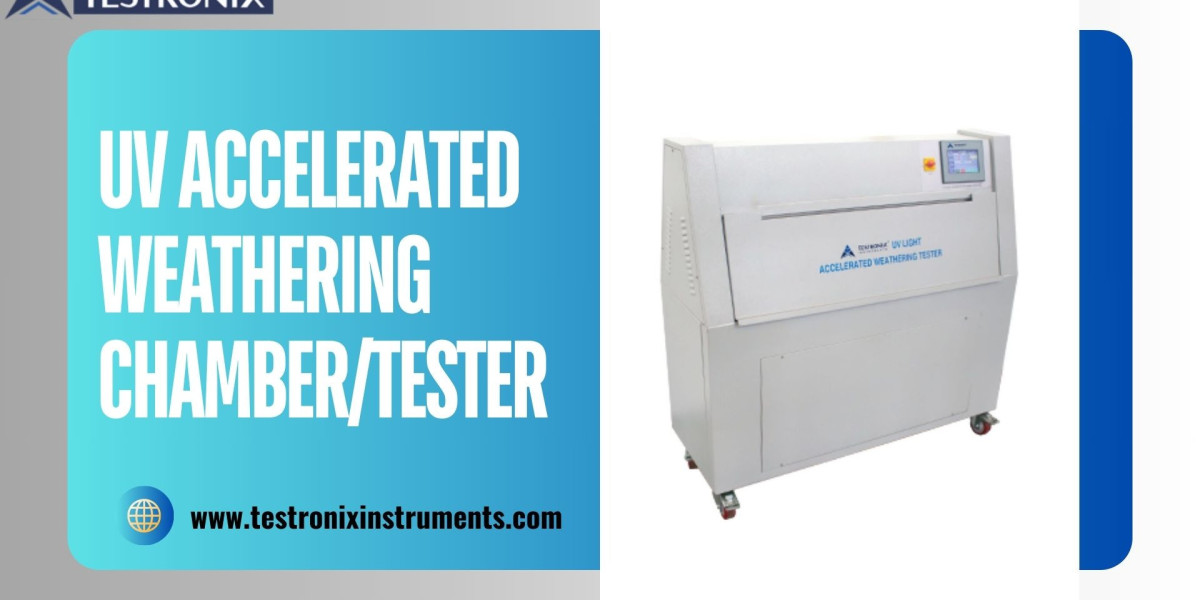

A UV weathering test chamber is necessary for determining how well a material or coating is standing up to Ultraviolet or UV light and heat exposure in combination with humidity. This powerful tool recreates the strong patterns of the external environment that such products can be exposed to and makes sure they are long-lasting and efficient. Even the newest UV weathering tester can provide untrue information If it is improperly employed. They include improper setup, failure to consider foundational variables, and overlooking of important details that if not, pose a serious threat to the efficacy of your testing.
In this guide, you will find the most frequent mistakes, which allow identify the issues affecting the reliability of your tests and improving your product’s stability. Whether you are a beginner or an expert in your field, knowing how to use a UV weathering test chamber correctly, will get you started on the road to improving and creating better products.
What is a UV Weathering Test Chamber?
A UV weathering test chamber is an apparatus providing UV light, temperature, and moisture effects all together on the objects. They are in use within the automotive, construction, and packaging industries so the products would be tested on how they would behave outdoors once they have been exposed for some time. The controlled testing environment of such a chamber helps manufacturers to understand how well the materials and products might be positioned about possible durability and life cycles.
How does it simulate real-world environmental conditions?
Conditions, such as sun, rain, and dew are simulated using specific UV radiation and temperature and humidity controls within this chamber. Replication of sun effects uses fluorescent UV lamps whereas temperature and humidity controls reproduce changes in climatic conditions. Cycling through environmental factors creates a chamber where there is accelerated aging, making the manufacturers test probable degradation in less time where materials lose brightness, break off, or decrease in strength.
Main Characteristics of a UV Weathering Tester and Their Significance
- Fluorescent UV Lamps: This is the representation of damaging UV spectrum by natural sunlight that simulates exposure to evaluate resistance to UV radiation.
- Temperature Control System: This is to regulate the test in such a way that no fluctuation may occur, hence simulating heat to evaluate the thermal effects.
- Moisture Simulation: Uses either water spray or condensation mechanism to simulate dew or rain, thereby testing the moisture resistance.
- Programmable Controls: Facilitate user's setting of specific test cycles, duration, and parameters, based on needs of different testing.
Using all these features, the UV weathering tester will provide an accurate, accelerated test understanding of the way materials can resist long periods of environmental stress.
Common Mistakes to be Avoided Operating a UV Weathering Test Chamber
Correct usage of a UV weathering test chamber is important for yielding reliable results. However, some common mistakes could compromise the accuracy and efficiency of your testing procedure. Some key pitfalls to be avoided include the following:
Inaccurate Calibration of the UV Weathering Test Chamber
Proper calibration is the base of proper testing. Incorrect calibration in a UV weathering tester leads to skewed data that may be incorrectly derived, suggesting wrong conclusions for material durability. Regular calibration makes sure that the UV exposure, temperature, and humidity settings of UV exposure are on the mark as per the requirement of testing.
Routine maintenance
Routine maintenance is crucial for making sure that your UV weathering test chamber is at a high working level. Failure to perform such tasks as cleaning lamps, replacing worn parts, or checking water systems may easily cause equipment to lose its efficiency and yield lousy results. A well-maintained chamber will deliver long-term reliability.
Test Parameters Wrong
Inaccurate results may result from improper usage of UV exposure, temperature, or humidity settings. Each material has its specific requirements that should be adhered to during the testing process. An improperly set up UV weathering tester may not simulate actual outdoor conditions and hence lead to inaccurate evaluations.
Overlooking Test Duration Guidelines
The length of time a test should last is equivalent to what the test is to mimic. Very short tests could mean that results might not have much effect if there were actual long-term deterioration. Long cycle runs might degrade samples more than intended for any given test sample. The standards and regulations surrounding optimum test duration play a part in simulating appropriately.
Lack of Documentation
Failure to record the test parameters, procedures, and results properly will create inconsistencies that will make it difficult to reproduce or validate the findings. Maintaining accurate records ensures consistency and can be used as a reference for future testing in the UV weathering test chamber.
Avoiding these common mistakes ensures that your UV weathering tester provides reliable, accurate, and actionable results that can help you better evaluate material performance.
Key Best Practices for Achieving Accurate and Reliable Results
Key Best Practices for Achieving Accurate and Reliable Results from Your UV Weathering Tester. Here are some tips to achieve precise and consistent testing outcomes.
Proper Setup and Calibration: All settings, including UV intensity, temperature, and humidity, must be aligned with test specifications to ensure precise results.
Regular maintenance will include cleaning of UV lamps, replacing worn parts, and checking the water systems for continued efficiency and accuracy.
Select appropriate test parameters: Adjust UV exposure, temperatures, and humidity levels specific to each material in question.
Follow test duration guidelines. Follow suggested test cycles to model real-world environments.
Thorough Documentation: Document all the test parameters and results for consistency and reliable future references.
Conclusion
One of the necessities of any material’s durability assessment is a UV weathering test chamber and weathering equipment. Non-optimization, lack of care for equipment, and wrong testing conditions are effectively excluded, which minimizes the effect of all sorts of errors. Used correctly, these tools help the manufacturer enhance the durability of the product and become leaders in product quality and strength.