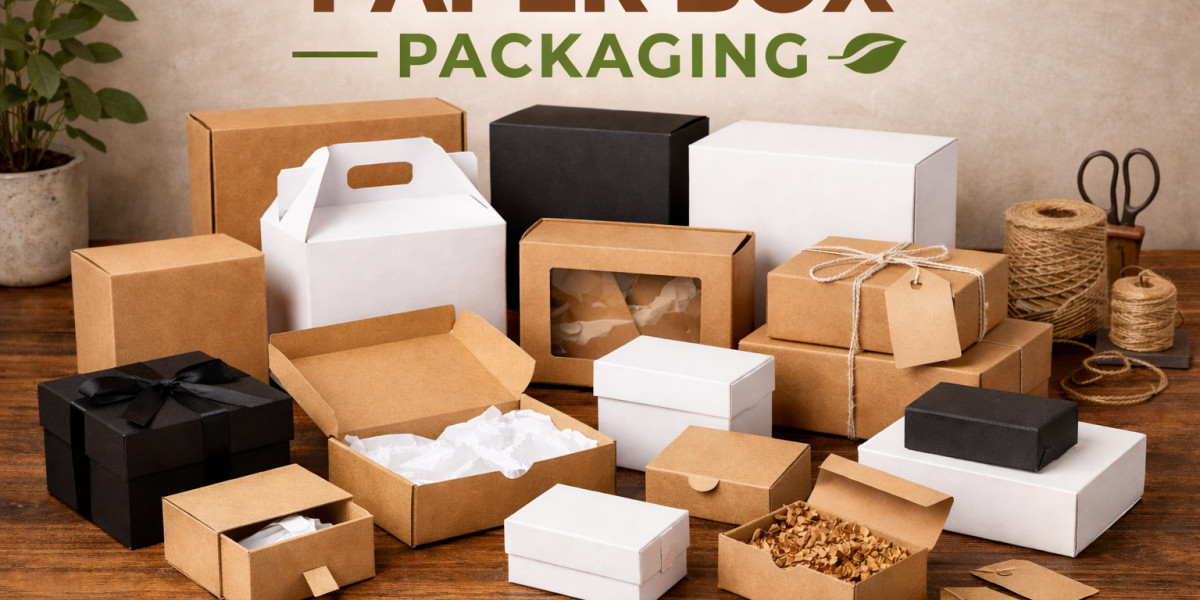

Starting a paper bag making business can be a practical and eco-friendly opportunity, especially as more brands switch from plastic to sustainable packaging. The business can serve retail shops, food outlets, gift stores, grocery stores, and e-commerce sellers who need customizable packaging like white paper bags and brown paper bags.
Introduction
Paper bags are in demand because they are recyclable, brand-friendly, and suitable for many industries. If you are planning to enter this market, the first step is to understand your target customers, production process, and startup costs.
1. Do market research
Before investing money, study the demand in your area. Find out which businesses need paper bags, what sizes they prefer, and whether they want plain bags or printed bags.
Look at:
Local retailers.
Restaurants and cafes.
Gift and clothing stores.
Supermarkets and grocery stores.
This will help you decide whether to focus on white paper bags for premium branding or brown paper bags for eco-friendly, cost-effective packaging.
2. Create a business plan
A business plan helps you stay organized and reduce mistakes. It should include:
Your target market.
Product types.
Pricing.
Startup budget.
Expected monthly production.
Marketing strategy.
A clear plan is especially useful if you want to grow from small orders into a larger manufacturing unit.
3. Choose the right location and machines
You need a workspace with enough room for production, storage, and packing materials. The machine setup depends on your budget and production scale.
Common equipment may include:
Cutting machine.
Folding machine.
Pasting or gluing machine.
Printing machine.
Paper bag punching or handle-making equipment.
Start small if needed, then expand as orders increase.
4. Source raw materials
The quality of your paper bags depends on the paper you use. Common materials include kraft paper, recycled paper, and coated paper depending on the bag type.
You should also keep:
Adhesives.
Ink for printing.
Handles or twine if required.
Many buyers prefer brown paper bags because they are simple, affordable, and associated with sustainability. White paper bags are often chosen when the customer wants a clean, premium look for branding.
5. Handle legal formalities
Register your business and complete the required local licenses or permits. You should also check manufacturing rules, safety standards, and waste disposal requirements.
Depending on your location, you may need:
Business registration.
GST or tax registration.
Factory-related permissions.
Pollution or environmental compliance documents.
6. Set up production and quality control
Once your machinery and materials are ready, create a smooth production process. Focus on consistency in size, strength, finishing, and print quality.
Quality control should check:
Paper thickness.
Bag durability.
Glue strength.
Printing clarity.
Handle strength.
A strong quality system helps you build trust with repeat buyers.
7. Market your products
To get customers, you need both offline and online promotion. Start by contacting nearby businesses directly and showing samples.
You can also:
Build a simple website.
Promote on social media.
List products on B2B platforms.
Visit trade fairs and packaging exhibitions.
Offer custom printing for brand visibility.
If you want long-term growth, position your bags as an eco-friendly alternative to plastic packaging.
8. Focus on growth
As orders grow, increase production capacity and add more product options. You can expand into:
Printed paper bags.
Luxury white paper bags.
Grocery brown paper bags.
Custom size carry bags.
Handle bags.
This makes your business more competitive and helps you serve different industries.
Final Thoughts
Starting a paper bag making business is a smart move in a world that is shifting away from plastic and towards eco-friendly packaging. By choosing the right niche—whether it is cost-effective brown paper bags for daily retail use or premium white paper bags for branded stores—you can build a stable and scalable business that supports both profit and sustainability.
If you focus on quality, reliable delivery, and customization, your paper bags can become an essential part of your customers’ brand identity rather than just a packaging item. With consistent marketing, strong relationships with retailers, and gradual investment in better machinery, this business can grow from a small setup into a full-fledged manufacturing unit.
Ubicación del Autor
GI-34, First Floor, Lawrence Road, Delhi-110035















