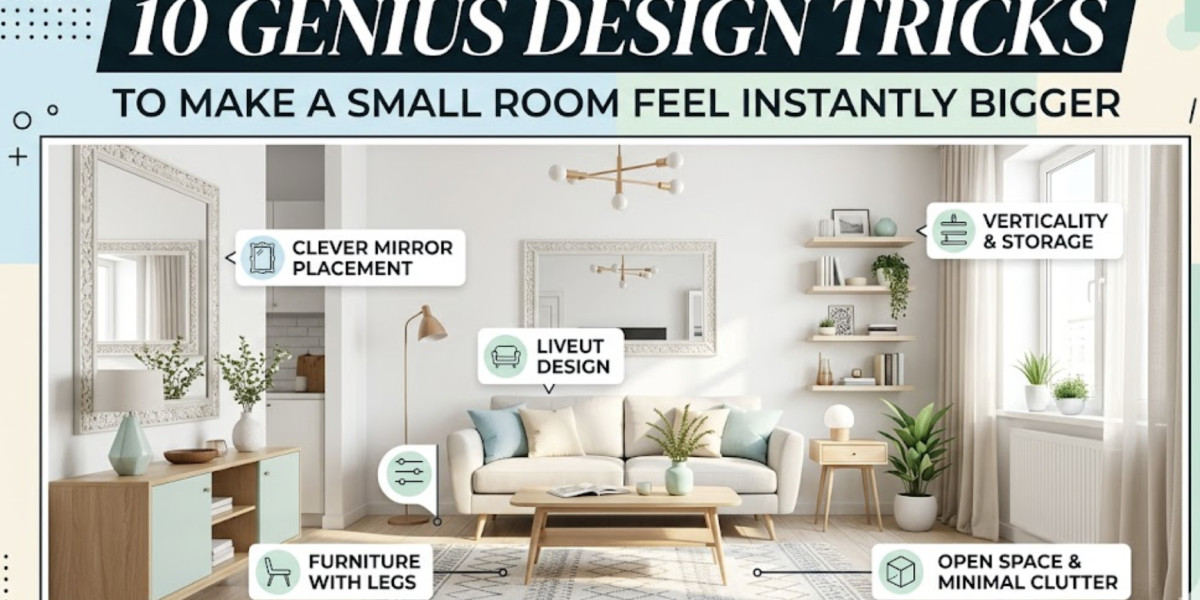

Living in a small space presents a unique design challenge. You want a home that feels open, inviting, and functional, but you're often left wrestling with a room that feels more like a cramped, cluttered closet. It's a common frustration, but it's not a permanent condition. You don't need a bigger house; you just need smarter design.
This article will reveal 10 simple, expert-approved tricks that create a powerful illusion of space, transforming even the most compact room into an airy retreat. We won't just tell you what to do. We'll explore the psychological reasons why these techniques work, highlight common mistakes to avoid, and offer budget-friendly options to get you started today.
Key Takeaways
- Light & Monochromatic Palettes: Use light colors and consistent color schemes to make walls recede and create a seamless, expansive feel.
- Strategic Use of Mirrors: Place large mirrors opposite windows or light sources to double the visual space and amplify brightness.
- Emphasize Verticality: Draw the eye upward with high-hung curtains, tall furniture, and vertical patterns to make ceilings feel higher.
- Smartly Scaled Furniture: Choose furniture with raised legs and a low profile to reveal more floor space, and consider multi-functional pieces to reduce clutter.
- Layer Your Lighting: Combine ambient, task, and accent lighting to eliminate dark corners and create a bright, open atmosphere.
- Declutter with Intention: A clean, organized space with minimal visual clutter will always feel larger and more calming.
1. Master the Magic of a Light & Airy Color Palette
The fastest and most impactful way to open up a small room is with paint. Light colors are your best friend in a compact space. Shades like soft whites, pale grays, gentle beiges, and icy blues are masters of illusion, making a room feel significantly more open and breathable.
The Science Behind It
It's all about light reflection. Dark colors absorb light, which can make walls feel like they are closing in on you. In contrast, light colors reflect ambient and natural light, causing the surfaces to visually recede. This simple trick of the eye makes the boundaries of the room seem farther away than they actually are, creating a sense of spaciousness.
Pro Tip
For a truly professional look, paint the ceiling a pure, flat white or a shade that is even lighter than your walls. This technique, combined with painting your trim and moldings a crisp white, draws the eye upward. This creates the perception of higher ceilings and a grander space.
What colors make a small room look bigger?
Stick to a palette of off-whites, soft grays, pale blues, and muted greens. These cool-toned, light colors are champions at creating an airy atmosphere. A monochromatic scheme, using different tones of the same color, can also work wonders for creating a cohesive and expansive feel.
2. Use Mirrors to Create Illusory Depth
Mirrors are the oldest trick in the interior designer's handbook for a simple reason: they work. A well-placed mirror can visually double the size of your room. It acts like an extra window, bouncing light around and reflecting the view, which adds incredible depth and dimension.
Strategic Placement is Key
Don't just hang a mirror anywhere. To get the most significant effect, place a large mirror directly opposite a window. This will capture the outdoor view and reflect maximum natural light, making the room feel almost boundless. Another powerful technique is to place a mirror behind a light source, like a table lamp or floor lamp, to amplify its glow and brighten a dark corner.
Do mirrors really make a room look bigger?
Absolutely. According to principles of environmental psychology, our brains perceive reflected space as actual space. This means a mirror not only makes a room look bigger but can also make it feel bigger and less confining, which is a powerful tool for improving the comfort of a small home.
3. Draw the Eye Upward with Vertical Space
When you can't expand outward, expand upward. Emphasizing a room's height is a clever way to distract from a small footprint. By drawing attention to the vertical space, you make the entire room feel more expansive and grand.
How to Do It
One of the most effective methods is with window treatments. Hang your curtain rod several inches above the window frame and extend it wider than the frame on both sides. Then, use floor-length curtains to create a long, unbroken vertical line. Also, consider tall, narrow furniture like etagere bookshelves or a tall headboard to guide the eye skyward. A subtle vertical stripe on a single accent wall can achieve the same effect.
4. Choose Smart, Appropriately-Scaled Furniture
It might seem counterintuitive, but furnishing a small room with lots of tiny furniture pieces often results in a cluttered, chaotic look. Sometimes, one well-chosen, larger piece, like a comfortable sofa, is better than a collection of small chairs. The key is selecting furniture that is appropriately scaled for the room and has a low visual weight.
Go Leggy and Low-Profile
Furniture on raised legs is a game-changer for small spaces. When you can see the floor underneath a sofa, console table, or armchair, it creates an illusion of more floor space. This makes the entire room feel lighter and more open. Opt for pieces with a low profile—meaning they sit lower to the ground—to leave more open space above them, enhancing the room's airy quality.
Consider Transparency
So-called “ghost” furniture, made from clear materials like acrylic or glass, is another brilliant solution. A clear coffee table or console table takes up zero visual space, allowing light to pass through and preventing the room from feeling crowded. These pieces provide full functionality without adding visual clutter.
5. Embrace Multi-Functional Minimalism
In a small space, every item must earn its keep. A study from the Princeton University Neuroscience Institute found that physical clutter competes for your attention, leading to decreased performance and increased stress. By decluttering ruthlessly and choosing smart, multi-functional furniture, you can create a space that feels both larger and more serene.
Examples
Look for pieces that serve more than one purpose. An ottoman with hidden storage can hide blankets and magazines while serving as a footrest or extra seating. A coffee table that lifts to become a work desk, or a set of nesting side tables that can be expanded when guests arrive, are perfect examples of hard-working, space-saving furniture.
Connect to Decluttering
A tidy, well-organized room inherently feels bigger than a messy one. When surfaces are clear and items are stored away, your eye can travel uninterrupted across the space. This creates a calm and open environment.
6. Let There Be (Layered) Light
A dark, shadowy room will always feel small and cave-like. Proper lighting is essential for making a space feel open and welcoming. Move beyond a single, harsh overhead light and embrace a layered lighting strategy to illuminate every corner.
The Three Layers of Lighting
- Ambient: This is the room's primary light source, such as a stylish flush-mount ceiling fixture or recessed lighting.
- Task: This is focused light for specific activities. Think of a floor lamp next to a reading chair or under-cabinet lighting in a small kitchen.
- Accent: This lighting adds depth and highlights architectural features or decor. Wall sconces or a small lamp on a bookshelf are great examples.
Maximize Natural Light
Never block your windows with heavy, dark drapery. Instead, opt for sheer or light-filtering curtains, blinds, or shades that provide privacy while still allowing natural light to flood the room. A brightly lit space is always a more expansive-feeling space.
7. Unify the Space with Continuous Flooring
Choppy transitions in flooring can make a home feel disjointed and smaller. Whenever possible, using the same flooring material throughout an open area—like from the living room into the dining area—creates a seamless, uninterrupted flow. This visual continuity tricks the eye into seeing one large, unified space.
The Power of Rugs
When it comes to area rugs, go big or go home. A small, “postage stamp” rug that floats in the middle of the room will only make the room feel smaller. Instead, choose a large rug that is big enough for at least the front legs of all your main furniture pieces to rest on. A large rug anchors the furniture, defines the space, and makes the room feel more cohesive and expansive. Maintaining this central design element is key; professional services like Carpet Cleaning Reno NV can ensure your large area rug remains a clean, beautiful focal point rather than a distraction.
8. Pull Furniture Away from the Walls
There's a common instinct to push every piece of furniture flat against the walls in a small room, thinking it will maximize the open area in the center. However, this can create a static, cramped look. Giving your furniture a little breathing room can make a world of difference.
The 'Floating' Technique
You don't need a lot of space. Simply pulling your sofa and chairs even a few inches away from the walls creates shadows and depth. This simple move makes the room feel wider and more thoughtfully arranged. It gives the impression that the room is large enough to not require every piece to be plastered to the perimeter.
How do you arrange furniture in a small bedroom to make it look bigger?
In a bedroom, place your bed against the main wall, but pull your nightstands slightly away from both the bed and the wall. If you have a dresser, place it opposite the bed. Use a tall, narrow dresser instead of a wide, short one to utilize vertical space.
9. Create a Cohesive, Monochromatic Look
A busy color palette filled with high-contrast colors can visually chop up a room, making it feel fragmented and small. A monochromatic color scheme, which uses various shades, tints, and textures of a single color, creates a serene and unified effect. This visual cohesion helps the space feel larger and more sophisticated.
Why It Works
When your walls, furniture, and decor are all within the same color family, there are fewer harsh lines for your eye to stop on. This allows your gaze to sweep smoothly across the room, which the brain interprets as a larger, more continuous space. The average new single-family home size has been slowly decreasing, making these color strategies more important than ever for homeowners.
Texture is Your Friend
A monochromatic room doesn't have to be boring. The key is to introduce a variety of textures to create depth and interest. Combine a smooth linen sofa with a chunky knit throw, a velvet pillow, and a woven rug to build a rich, layered look that is anything but flat.
10. Edit Your Decor with Intention
When it comes to decorating a small room, less is definitely more. An abundance of small knick-knacks and tiny framed photos can quickly become visual clutter. Instead, opt for a few larger, more impactful decor pieces.
The Rule of Three
One large piece of art makes a bigger statement and makes the room feel more curated than a gallery wall of many small frames. When styling surfaces like a bookshelf or coffee table, group items in odd numbers, particularly threes. This creates a vignette that is balanced and more visually appealing than symmetrical arrangements.
Declutter Surfaces
Keep surfaces as clear as possible. On your kitchen counter, nightstand, or entryway console, store away what you can and leave only a few essential or beautiful items on display. A clear surface is calming and contributes significantly to the feeling of an open, uncluttered home.
5 Common Mistakes That Make Your Small Room Feel Even Smaller
Mistake 1: Using Furniture That's Too Large or Bulky.
Avoid overstuffed sofas with huge rolled arms or chunky, solid coffee tables. These pieces eat up physical and visual space, making a room feel cramped.
Mistake 2: Blocking Windows and Natural Light.
Never place a tall piece of furniture in front of a window. Blocking your primary light source will instantly make a room feel darker and more confined.
Mistake 3: Relying on a Single, Harsh Overhead Light.
One central ceiling light often casts unflattering shadows and leaves corners dark. This creates the illusion of a smaller, less inviting space.
Mistake 4: Over-Cluttering with Small Decor Items.
A collection of many small objects creates a busy, chaotic effect. This visual noise makes a room feel stressful and much smaller than it is.
Mistake 5: Using Dark, Heavy Fabrics and Patterns.
Dark velvet curtains or a sofa with a large, bold floral pattern can overwhelm a small room. These choices absorb light and add too much visual weight.
Frequently Asked Questions
How can I make a small room look bigger on a budget?
Paint is your most affordable and effective tool. A fresh coat of light-colored paint can transform a room for very little money. Additionally, decluttering is free, and shopping at thrift stores for mirrors and leggy, low-profile furniture can yield amazing results. Sheer curtains are also an inexpensive window treatment option.
Does dark furniture make a room look smaller?
It can, but it doesn't have to. If you love a dark sofa, you can balance it by keeping the walls and flooring very light. Ensure the dark piece is well-lit and has raised legs to reduce its visual weight. Generally, however, lighter furniture is a safer bet for maximizing the sense of space.
What is the best layout for a small living room?
Typically, the best layout starts with placing your largest piece of furniture—the sofa—against the longest wall. Then, arrange other seating, like armchairs, to create a conversational area, making sure not to block natural pathways. Use a large area rug to anchor the grouping and pull all furniture slightly away from the walls.
Conclusion
Transforming a small room isn't about magic; it's about smart, intentional design. By mastering the core principles of maximizing light, using appropriately scaled furniture, creating illusions of depth and height, and maintaining visual cohesion, you can dramatically change how your space feels. These aren't complicated renovations but simple, powerful tricks anyone can implement.
Now you have the expert knowledge to turn your compact space into a functional and beautiful sanctuary that feels open and airy. Start with one or two of these tips and see the difference for yourself.