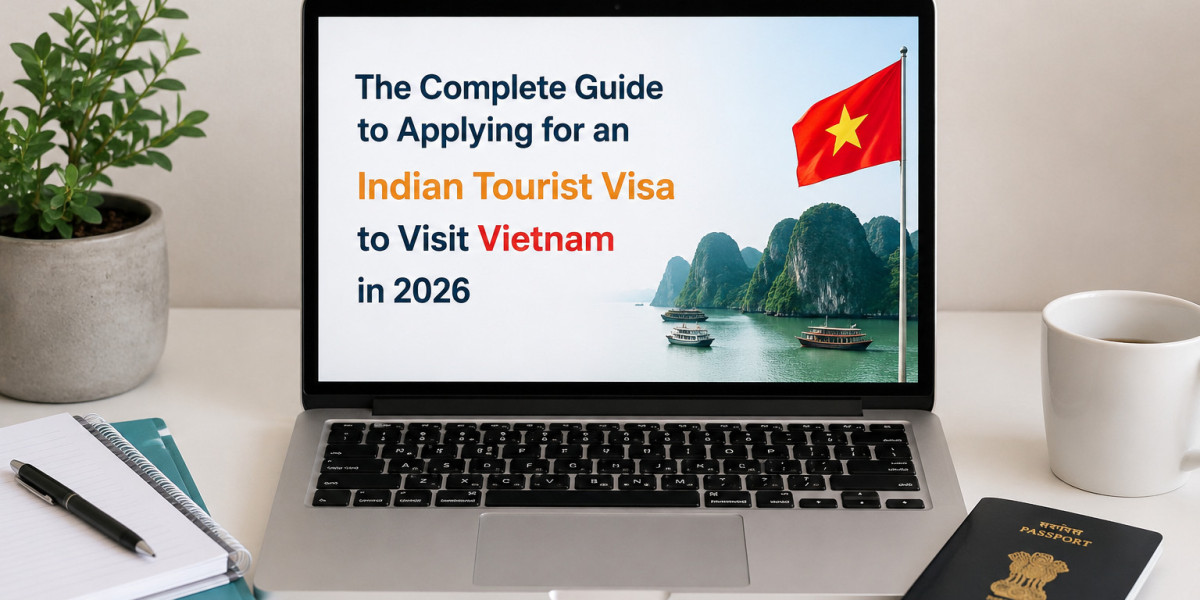

Vietnam has rapidly transformed into one of the most sought-after travel destinations for Indian globetrotters. From the emerald waters and limestone pillars of Ha Long Bay to the buzzing street-food culture of Ho Chi Minh City, this Southeast Asian gem offers an unforgettable escape.
However, before you can dive into a steaming bowl of authentic Pho or wander the lantern-lit streets of Hoi An, there is one critical logistical step you must complete: your tourist visa application India to Vietnam. Navigating international entry requirements can occasionally feel overwhelming, but securing your Vietnamese travel authorization is a surprisingly straightforward digital process when done correctly.
This comprehensive guide breaks down every facet of the application process. We will cover entry pathways, document checklists, step-by-step instructions, and common pitfalls to ensure your transition from India to Vietnam is completely seamless.
The Evolution of Vietnam’s Visa Policy for Indian Citizens
Historically, Indian travelers heading to Vietnam relied heavily on the traditional "Visa on Arrival" (VOA) workflow. This legacy method required a pre-arranged approval letter from a travel agency and forced long queues at airport landing counters to secure a physical passport sticker.
To boost tourism and streamline border management, the Vietnamese government overhauled its entry framework. The standalone digital E-visa portal is now the absolute gold standard for almost all leisure travel.
Indian passport holders can comfortably secure an electronic visa from home. This modern update eliminates physical paperwork and drastically cuts down waiting times upon landing at major international borders.
Phu Quoc Island Exception
There is a unique exception to the standard visa rules. Indian tourists flying directly into Phu Quoc Island from a foreign country are granted a 30-day visa exemption, provided they remain exclusively on the island and exit directly to an international destination. If your travel plans include mainland cities like Hanoi, Da Nang, or Nha Trang, a formal visa application is mandatory.
Choosing Your Entry Pathway: E-Visa vs. Visa on Arrival
While the electronic visa system handles nearly all tourism requests, understanding your available choices helps you select the best approach for your specific timeline.
1. The Official Vietnam E-Visa (Highly Recommended)
The E-visa is the most efficient and cost-effective pathway. It allows you to submit your bio-data online, process your payment digitally, and print your electronic entry permit before catching your flight.
Validity: Up to 90 days.
Entry Type: Single-entry or Multiple-entry options.
Border Access: Valid across 83 international entry points, including 13 airports, 16 land borders, and 13 maritime seaports.
Airport Wait Time: Zero. You can walk straight to the standard immigration control counters.
2. The Traditional Visa on Arrival (Emergency Backup)
The Visa on Arrival system remains active primarily as an emergency fallback option. It is useful for last-minute trips or weekend emergencies when the primary government portal experiences technical maintenance.
Requirements: You must purchase a "Visa Approval Letter" via an authorized agency before boarding your flight.
Limitations: Restrained entirely to air travel. You cannot use this method at land borders or cruise ports.
Airport Process: Upon landing, you must wait at the physical "Landing Visa" desk, present your letter, hand over printed passport photos, and pay a cash stamping fee.
Comprehensive Document Checklist for Indian Applicants
A flawless tourist visa application India to Vietnam relies entirely on submitting accurate, high-quality documentation. Minor inconsistencies or blurry uploads are the most frequent causes of processing delays. Gathering your materials ahead of time prevents these common bottlenecks.
Indian Passport: Must possess a minimum of 6 months of remaining validity from your formal date of arrival in Vietnam. Your passport must also contain at least two completely blank visa pages for entry and exit stamps.
Passport Bio-Data Scan: A clear, full-page digital scan of your passport’s information page (showing your photo, name, and passport number) in
.jpgor.jpegformat. The file size should not exceed 2MB.Digital Portrait Photo: A recent passport-style photograph (4x6 cm or 2x2 inches) taken against a solid white background. You must look straight at the camera without glasses, hats, or headscarves (unless worn for religious reasons).
Valid Payment Method: A functional international credit card, debit card, or digital payment account to settle the processing fees. Note that American Express cards are generally not accepted on the official portal.
Travel Details: Your exact entry and exit dates, along with your confirmed arrival and departure ports. You will also need the physical address of your temporary accommodation, such as your initial hotel reservation.
Step-by-Step Guide to the Online E-Visa Application
When you are ready to apply, you can manage the process yourself via the official government portal (evisa.gov.vn) or partner with an expert agency like EMS Visa Consultant to guarantee a completely error-free submission.
Cost Breakdown and True Processing Timelines
Budgeting properly requires separating standard government costs from third-party convenience options. The baseline government fees are entirely non-refundable, even if your application is rejected due to a data entry error.
| Visa Variant | Official Government Cost | Standard Processing Window | Suggested Application Buffer |
| Single-Entry Tourist E-Visa | $25 USD (~2,100 INR) | 3 – 5 Business Days | 2 Weeks Before Departure |
| Multiple-Entry Tourist E-Visa | $50 USD (~4,200 INR) | 3 – 5 Business Days | 2 Weeks Before Departure |
| Visa on Arrival Approval Letter | Varies by Agency | 1 – 2 Business Days | Urgent Travel Use Only |
| Visa on Arrival Stamping Fee | $25 (Single) / $50 (Multiple) | Paid in Cash at Airport | Paid in USD or VND upon arrival |
Pro-Tip on Timelines: While the official system quotes a 3-to-5 working day processing time, unexpected government holidays, high seasonal volumes, or minor photo quality issues can easily extend this window to 7 or more business days. Always submit your application at least two weeks before your flight to avoid unnecessary stress.
Common Pitfalls That Lead to Delays or Rejections
Most processing delays do not stem from background checks or eligibility issues. Instead, they are usually caused by simple clerical oversights. Paying attention to these fine details can save you from a stressful, last-minute cancellation.
Incorrect Name Order: The application form separates fields for "Given Name" and "Surname." Make sure your names match the exact sequence printed on the bottom machine-readable zone of your passport.
Typos in Passport Numbers: Missing digits or confusing the number "0" with the letter "O" will cause an immediate mismatch at the airport border control gate.
Submitting Compressed Images: Uploading a grainy phone snapshot of a physical photograph often triggers an automated system rejection. Always use clean, native digital files.
Mismatched Border Gateways: Your approved electronic visa is tied directly to the specific entry port you designated on your form. If your visa lists Hanoi (Noi Bai Airport) as your entry point, you cannot change your plans last minute and fly into Ho Chi Minh City instead.
Arrival Procedures at Vietnam's International Borders
When you touch down at major gateways like Noi Bai International Airport in Hanoi or Tan Son Nhat International Airport in Ho Chi Minh City, your arrival process depends entirely on the visa pathway you selected.
If Arriving with an E-Visa
If you hold a pre-approved digital E-visa, your arrival process is incredibly fast. You do not need to visit any special visa collection windows. Simply join the standard immigration queue, present your valid Indian passport, and hand over your printed E-visa PDF page. The officer will verify your digital record, stamp your passport with your permitted stay duration, and wave you through to baggage claim.
If Arriving via the Visa on Arrival (VOA) Track
If you are using the emergency VOA pathway, you must stop at the landing visa counter before joining the main immigration line. You will need to submit your physical passport, your printed agency approval letter, a completed entry/exit form (Form NA1), and two physical passport photos. You must also pay the stamping fee ($25 or $50 USD) in exact cash. Once the immigration staff prints and attaches the physical visa sticker to your passport, you can head over to the main border control queues.
Frequently Asked Questions
Do Indian citizens need a visa for Vietnam?
Yes. Under current immigration frameworks, all Indian passport holders must secure a valid visa before entering Vietnam, regardless of whether they are traveling for tourism, leisure, or business. The only exception is a direct flight to Phu Quoc Island for a stay of under 30 days.
Can I extend my 90-day tourist E-visa while inside Vietnam?
No. Tourist E-visas cannot be extended from within the country. If you wish to stay in Vietnam past your visa's expiration date, you must exit to a neighboring country (such as Cambodia, Laos, or Thailand) and re-enter using a brand-new, pre-approved E-visa. This process is commonly referred to by travelers as a "visa run."
What should I do if my Vietnam visa application is delayed?
If your application takes longer than 5 business days, log into the search portal to check for corrective notes. The immigration department often leaves status messages requesting a clearer photo or a correction to your name spelling. If you are facing an urgent departure, you can contact an authorized travel agency to request an expedited fast-track service.
Is a return flight ticket mandatory for the application?
While you do not need to upload a copy of your flight tickets during the online application process, immigration officers at the border checkpoint frequently ask to see proof of onward travel. You should always carry a printed copy of your return flight to India or a ticket to another destination to confirm you plan to leave within your approved stay window.
Can I change my port of entry after my E-visa is approved?
No. Your electronic visa is legally valid only for the specific entry checkpoint listed on the final printed document. If your travel route changes and you must enter through a different airport or land border, you will need to submit an entirely new visa application with the corrected port details.
Final Thoughts and Next Steps
Securing your travel authorization is the very first step toward an unforgettable Southeast Asian adventure. By preparing your documents in advance, filling out your forms with care, and giving yourself a comfortable processing window, you can completely eliminate pre-trip anxiety.
If you want a stress-free experience, consider working with a dedicated visa partner. The experts at EMS Visa Consultant can manage your entire application from start to finish. They will review your photographs, double-check your personal data for typos, and ensure your visa arrives safely in your inbox well ahead of your flight. Reach out to their team today, and take the first step toward your dream vacation in Vietnam!