
A successful event should feel smooth, safe, and well managed. Guests should be able to arrive with ease, enjoy the program, move around the venue, and leave without confusion. Behind that smooth experience, there is always careful planning. One of the most important parts of that planning is event security.
Safety is not only needed for large festivals or concerts. It also matters at weddings, corporate functions, private parties, sports events, school programs, trade shows, and community gatherings. Every event brings people, movement, equipment, and responsibility into one place. If safety is ignored, small issues can quickly affect the whole event.
Event security service helps protect guests, staff, performers, vendors, and property. It also helps the event organizer stay in control. A trained security team can prevent unwanted entry, manage crowds, protect restricted areas, and respond to problems before they grow.
Why Safety Is a Core Part of Event Planning
Event planning is often focused on design, food, music, lighting, timing, and guest experience. These details are important, but safety should be planned with the same level of care. A beautiful event can still fail if guests feel unsafe or if the venue becomes disorganized.
Professional event security creates a safe structure around the event. It helps people know where to go, who can enter, which areas are restricted, and how problems will be handled. This structure gives confidence to guests and support to the organizer.
Safety planning also reduces stress. When trained guards are present, the event team does not need to handle every issue alone. They can focus on hosting, service, and event flow while the security team manages risk.
Understanding the Event Before Creating a Plan
Every event needs its own safety plan. A small indoor business meeting is very different from an outdoor music event. A wedding needs a softer approach, while a public festival may need stronger crowd control.
Before setting up event security, the organizer should review the event details. This includes the number of guests, venue size, event time, guest profile, access points, parking space, alcohol service, equipment value, and emergency exits.
The security team should also understand the purpose of the event. A corporate event may need guest verification and VIP protection. A private party may need access control and parking support. A concert may need stage protection, crowd movement, and emergency response.
This early review helps create a plan that fits the event instead of using a basic plan that may miss important risks.
Site Inspection and Risk Assessment
A venue inspection is a key part of safety planning. Before the event begins, the security team should walk through the full location. They should check entry gates, exit doors, parking areas, walkways, restrooms, stage areas, storage spaces, staff rooms, and emergency routes.
This inspection helps identify weak points. A side gate may need a guard. A narrow hallway may need crowd control. A dark parking area may need patrols. A backstage room may need access checks.
A strong risk assessment makes event security more effective. It helps the team prepare for real situations. It also allows the organizer to make changes before guests arrive.
Entry Control and Guest Screening
The entrance is one of the most important parts of an event. It is the first point of contact for guests. It is also where safety control begins.
Security guards can check tickets, guest lists, invitations, wristbands, badges, or ID cards. This helps make sure only approved guests enter the venue. It also reduces the risk of unwanted visitors, gatecrashers, or people entering restricted spaces.
Good event security keeps entry smooth and respectful. Guards should not make guests feel uncomfortable. They should guide people clearly, answer basic questions, and keep lines moving.
For private events, access control protects privacy. For public events, it protects order. For corporate events, it protects the guest list, brand image, and business environment.
Crowd Flow and Movement Control
Crowd movement can affect the safety and comfort of an event. Guests often gather near entrances, food stations, restrooms, bars, stages, photo areas, and exits. If these areas are not managed, they can become crowded and unsafe.
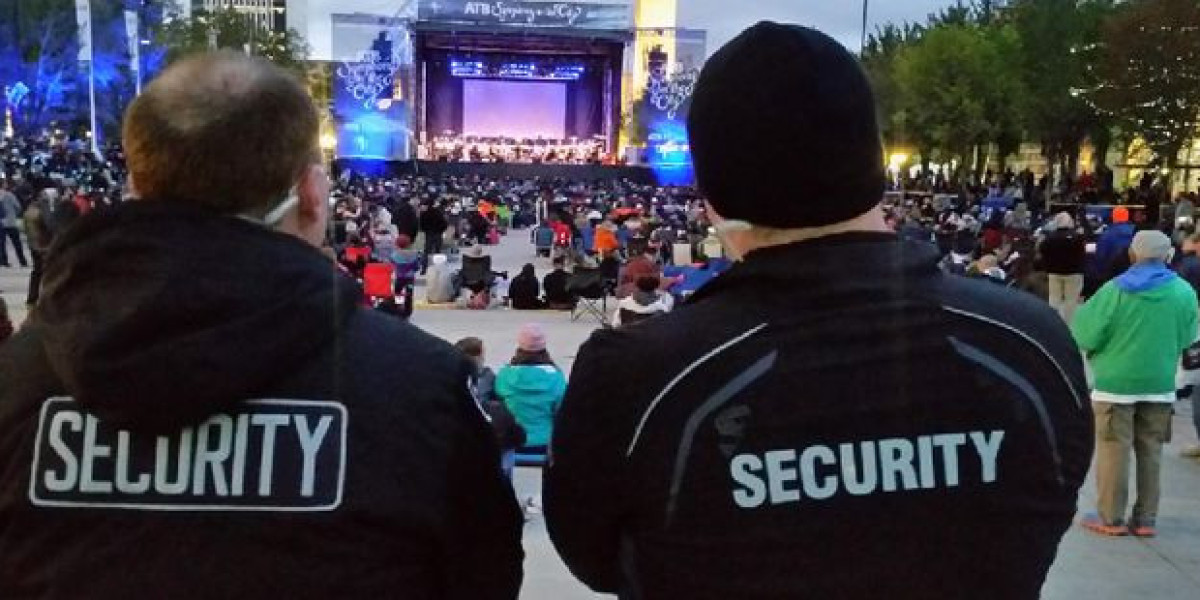
Crowd control is a major part of event security. Guards help keep walkways open. They guide people away from blocked areas. They stop guests from entering unsafe zones. They also watch for early signs of crowd pressure.
Good crowd control should feel natural. Guests should feel guided, not forced. A trained guard understands how to manage people calmly while keeping the event organized.
Protecting Restricted Areas
Many events have spaces that are not open to all guests. These may include backstage areas, VIP rooms, staff only spaces, control rooms, storage areas, kitchens, media zones, and technical areas.
If these areas are not protected, problems can happen. Guests may enter by mistake. Equipment may be damaged. Staff may be interrupted. Valuable items may be lost.
Professional event security keeps restricted areas safe. Guards can check passes, control doors, and monitor movement. This keeps the event professional and protects important spaces.
Managing Guest Behavior With Care
Most guests attend events to enjoy themselves. Still, difficult behavior can happen. A guest may become angry, ignore rules, argue with staff, drink too much, or try to enter without permission.
Trained guards know how to respond in a calm and respectful way. They can speak clearly, reduce tension, and remove a person from an area if needed. This helps prevent one issue from disturbing the full event.
This is one of the main reasons to use professional event security instead of relying on untrained staff or volunteers. Security guards are trained to stay alert, make quick decisions, and act with control.
Protecting Equipment and Property
Events often include valuable equipment and materials. These may include sound systems, cameras, lights, screens, stage items, decorations, cash points, gifts, product displays, laptops, and vehicles.
A security team helps protect these assets. Guards can patrol storage areas, watch equipment zones, and stop unauthorized access. They can also monitor deliveries and loading areas before and after the event.
Good event security reduces the risk of theft, damage, and confusion. It also gives vendors and staff more confidence while they work.
Emergency Planning and Response
Even a well planned event can face unexpected problems. Medical issues, fire alarms, power outages, weather changes, missing guests, blocked exits, or crowd movement can happen at any time.
Security staff should know the emergency plan before the event starts. They should know where exits are located, where first aid support is placed, and who to contact in different situations.
Professional event security helps during emergencies by keeping people calm and organized. Guards can clear paths, guide guests, protect exits, support emergency workers, and help prevent panic.
Emergency readiness is not about expecting the worst. It is about being responsible and prepared.
Parking and Outside Area Control
Safety starts before guests enter the venue. Parking areas, drop off zones, sidewalks, gates, and loading spaces can become busy. Poor outside management can create traffic issues and guest frustration.
Security staff can help manage these areas. They can guide vehicles, keep entry routes clear, support pedestrian movement, and watch for suspicious behavior. They can also help vendors and staff access the right areas without blocking guest flow.
A complete event security plan should include both inside and outside spaces. This creates a safer experience from arrival to departure.
Communication Between Security and Event Teams
Clear communication is essential during an event. Security guards should be able to contact each other quickly. They should also stay connected with the event manager, venue staff, medical support, and emergency contacts.
When communication is strong, issues are handled faster. If one area becomes crowded, the team can respond. If a guest needs help, support can be sent. If a gate needs attention, guards can move into place.
Strong communication makes event security more organized and more reliable.
Choosing the Right Security Team
The right security company should have experience with different event types. It should provide trained guards who are professional, polite, alert, and calm under pressure.
A good provider will ask about your event before giving a plan. They will want to know about the venue, guest count, schedule, access points, risk level, VIP needs, and emergency setup.
They should also understand that security is part of the guest experience. Guards should protect the event without making it feel tense or uncomfortable.
Conclusion
A safe event is easier to manage and more enjoyable for everyone. Guests feel more relaxed. Staff can do their work with confidence. Organizers can focus on the event instead of worrying about safety problems.
Professional event security supports access control, crowd management, property protection, guest safety, emergency response, and smooth event flow. It helps prevent problems and gives the full event a stronger structure.
If you are planning a wedding, private party, corporate event, festival, concert, or public gathering, speak with trusted security companies in melbourne. Choose a team that understands local venues, crowd safety, and professional service. Contact a reliable security company today and make your next event safer, smoother, and better prepared.
FAQs
Why is event security important?
Event security is important because it protects guests, staff, property, and the venue. It also helps manage crowds, control entry, and respond to safety issues.
What does an event security team do?
A security team manages entry points, checks guests, controls crowds, protects restricted areas, watches property, supports emergencies, and helps keep the event organized.
Do small events need security guards?
Yes. Small events may need guards if there are private guests, valuable items, alcohol, parking concerns, or a need to stop unwanted entry.
How early should security be planned?
Security should be planned as early as possible. Early planning gives the team time to inspect the venue, review risks, and prepare the right safety plan.
Can guards help with crowd control?
Yes. Guards can guide guests, keep walkways clear, prevent overcrowding, and manage movement around busy areas.
What areas should security cover at an event?
Security should cover entrances, exits, parking areas, restricted rooms, VIP spaces, storage areas, equipment zones, and emergency routes.
Can security guards help during emergencies?
Yes. Trained guards can guide guests, clear paths, support emergency services, and help keep people calm during unexpected situations.
How do I choose the right security company?
Choose a company with trained guards, event experience, clear communication, professional service, and a custom plan that matches your event needs.
Ubicación del Autor
Melbourne