
In many industrial plants, one of the most frustrating problems is leakage in pumps and rotating equipment. Even after repeated maintenance, oil or fluid keeps leaking, machines lose efficiency, and downtime increases.
One of the most overlooked causes of this problem is the mechanical seal bearing system.
For B2B buyers, maintenance engineers, and industrial suppliers, understanding this component is critical because seal and bearing failure often happen together—and silently damage entire systems.
What is a Mechanical Seal Bearing?
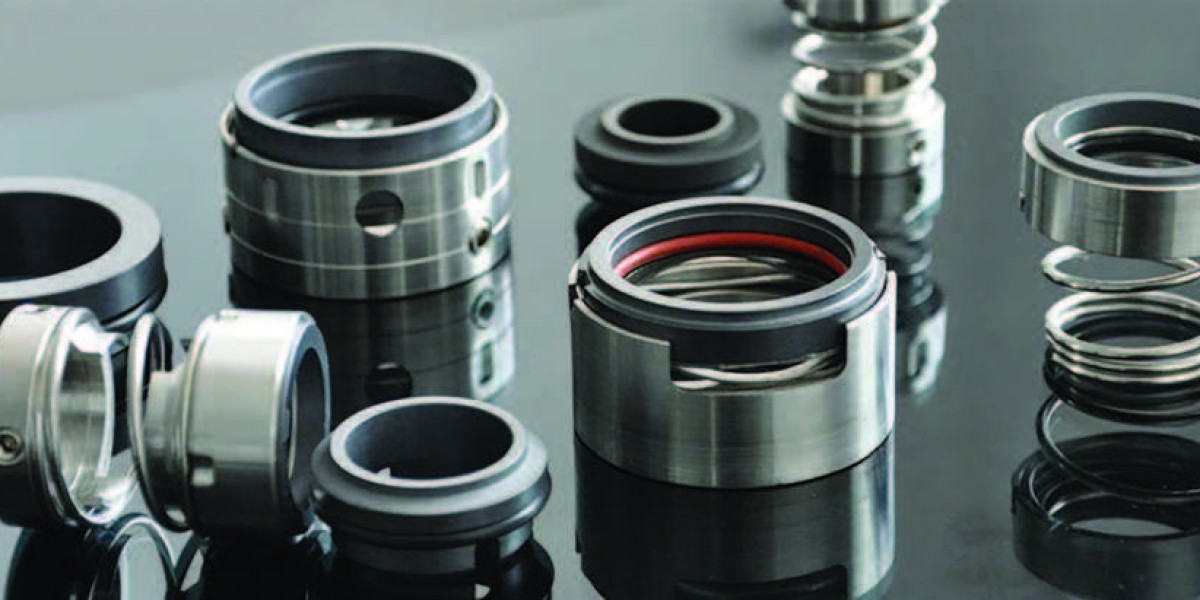
A mechanical seal bearing is not always a single part, but a combined system where bearings support rotating shafts while mechanical seals prevent fluid leakage.
It is commonly found in:
- Pumps
- Compressors
- Mixers
- Industrial rotating machinery
In simple terms:
- The bearing supports rotation
- The mechanical seal prevents leakage
Both must work together for smooth and safe machine operation.
The Real Industrial Problem: Why Mechanical Seal Bearing Systems Fail
In B2B industrial environments, failure does not happen suddenly—it builds up over time due to small issues.
1. Bearing Wear Leads to Seal Failure
When bearings wear out, shaft movement becomes unstable. This causes:
- Seal misalignment
- Uneven pressure on seal faces
- Early leakage
2. Seal Failure Damages Bearings
When seals fail, fluid enters the bearing housing, leading to:
- Rust formation
- Lubrication breakdown
- Bearing seizure
3. Poor Installation Practices
Incorrect fitting of seal or bearing components leads to:
- Vibration
- Heat buildup
- Reduced lifespan
4. Wrong Component Matching
Using incompatible seal and bearing combinations can result in:
- Continuous leakage
- Reduced machine efficiency
- Frequent breakdowns
How Mechanical Seal Bearing Issues Affect Industry
When this system fails, the impact on B2B operations is serious:
Production Downtime
Pump failure can stop entire production lines in chemical, oil, and manufacturing plants.
Fluid Loss and Waste
Leakage leads to loss of valuable liquids like oil, coolant, or chemicals.
High Maintenance Cost
Repeated replacement of seals and bearings increases operational expenses.
Equipment Damage
Shafts, housings, and motors can get permanently damaged if failure continues.
Common Mistakes in B2B Maintenance
1. Treating Seal and Bearing as Separate Problems
In reality, both are interconnected systems.
2. Ignoring Early Warning Signs
Small leakage or noise is often ignored until major failure occurs.
3. Using Low-Quality Replacement Parts
Cheap seals or bearings reduce system reliability.
4. Improper Lubrication Practices
Wrong or insufficient lubrication affects both sealing and bearing performance.
How to Improve Mechanical Seal Bearing Performance
1. Use High-Quality Bearings and Seals
Always choose components designed for industrial load and temperature conditions.
2. Ensure Proper Alignment
Correct shaft alignment reduces stress on both bearing and seal.
3. Maintain Clean Lubrication
Contaminated oil is one of the biggest causes of failure.
4. Regular Inspection
Check for:
- Leakage
- Noise
- Vibration
- Heat increase
5. Match Components Properly
Ensure seal and bearing specifications are compatible with machine requirements.
Where Mechanical Seal Bearing Systems Are Used
These systems are critical in many industries:
- Water treatment plants
- Chemical processing units
- Oil and gas industry
- Food processing machinery
- Industrial pumps and compressors
In all these applications, even a small failure can lead to major operational loss.
Why Quality Matters More Than Cost
In industrial machinery, mechanical seal bearing systems are not simple spare parts—they are critical reliability components.
High-quality systems provide:
- Leak-free operation
- Longer machine life
- Reduced maintenance frequency
- Stable performance under pressure
This directly improves production efficiency and reduces total operating cost.
Final Thoughts
Mechanical seal bearing issues are often hidden until serious damage occurs. Most industrial failures start with small bearing wear or seal leakage that is ignored too long.
For B2B buyers and maintenance teams, the key understanding is simple:
Seal and bearing systems must be treated as one integrated reliability unit, not separate parts.
Proper selection, installation, and maintenance of mechanical seal bearing systems ensures smoother operations, less downtime, and better long-term profitability.