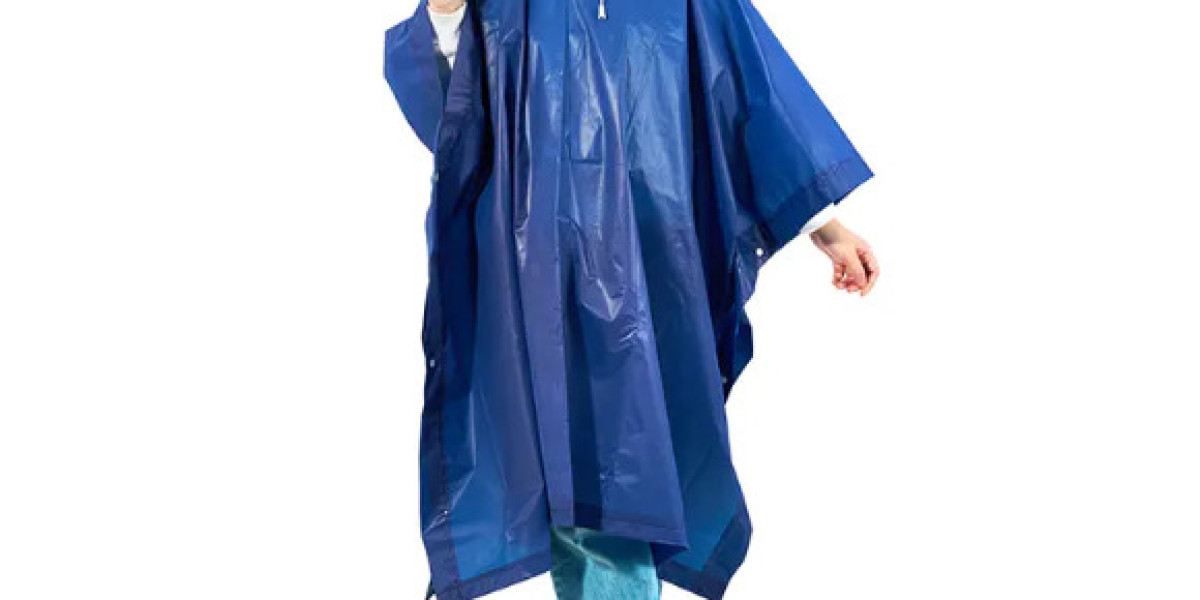

The design of a loose raincoat allows the arms, shoulders, and upper body to move more freely. People who walk, cycle, fish, hike, or work outdoors often prefer this style because it reduces restriction when reaching, bending, or carrying equipment. The wider cut also makes it easier to wear the garment over sweaters, uniforms, or layered clothing during colder seasons.
Many loose raincoat designs use a square or cape-style structure. This shape helps increase coverage while maintaining flexibility. One practical advantage is the ability to cover backpacks, shoulder bags, or other carried items without requiring separate rain protection. The extra space also promotes airflow, which may help reduce heat buildup inside the garment.
Material selection plays an important role in overall performance. Lightweight materials such as PEVA and EVA are commonly used in a loose raincoat because they provide water resistance while remaining flexible and easy to fold. The garment can often be packed into a bag or stored in a small space when not needed.
The simple structure of a loose raincoat also supports quick use during sudden weather changes. It can be put on or removed rapidly without complicated adjustments. Because there are typically fewer fitted components, the garment remains suitable for a wide range of body types and clothing combinations.
For users who value mobility, coverage, and convenience, a loose raincoat offers a practical rainwear option for commuting, outdoor recreation, travel, and everyday activities.
Ubicación del Autor
United States of America