
A facilities engineer at a coastal LNG terminal is finalising procurement for replacement control‑room glazing. Procurement asks what warranty protections the owner can reasonably expect for high‑performance glazing used in mission‑critical spaces. For critical infrastructure—power plants, data centres, government buildings and petrochemical sites—clear warranty terms for blast rated assemblies affect lifecycle cost, liability and maintenance planning.
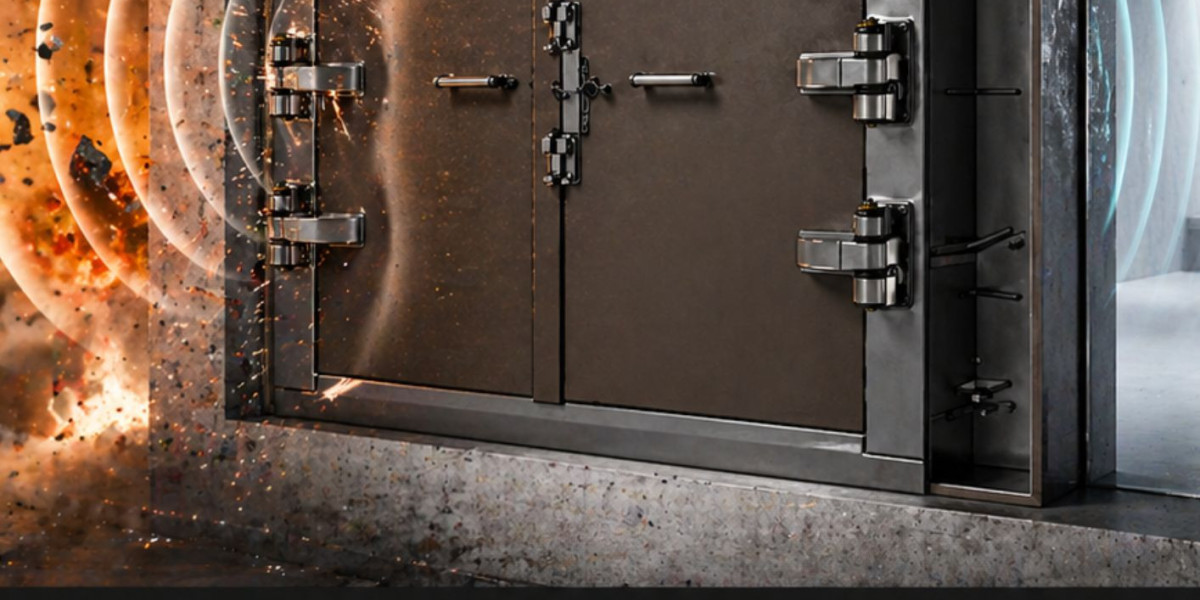
Blast resistant glass is a system-level product: laminated plies, interlayer, frame, anchors and seals are designed to work together to manage overpressure, retain fragments and transfer loads to structure. Warranties on these systems differ from standard glazing guarantees because assemblies carry structural and performance implications. Understanding typical warranty coverage, exclusions and contractual protections helps owners negotiate terms that preserve safety and reduce long‑term risk.
What warranties commonly cover
Manufacturing defects: Most suppliers warrant against defects in materials and manufacturing—lamination faults, voids, or incorrectly bonded interlayers—within a defined period.
Material integrity: Coverage often includes failure of interlayers, significant delamination (within stated environmental limits), and frame fabrication faults.
Workmanship and installation: When manufacturers supply installation or supervise installers, they commonly provide limited workmanship warranties covering defective installation and immediate post‑installation failures.
Conformance to specification: Suppliers typically warrant that the delivered assembly matches the agreed blast window design (glazing stack, interlayer type, frame section and anchor arrangement).
Component warranties: Manufacturers may give separate durations for glass units, frames, hardware and sealants reflecting differing expected lifespans.
Typical warranty durations and tiers
Laminate and interlayer: 5–10 years is common; premium materials (SGP interlayers) may carry longer manufacturer-backed assurances.
Frames and hardware: 5–15 years depending on material (stainless steel, anodised aluminium, coated steel) and corrosion protection specified.
Installation workmanship: Usually 12 months to 3 years when performed or supervised by the supplier.
Optional extended coverage: Negotiated service agreements or extended warranties can lengthen coverage and include scheduled maintenance.
Key exclusions and limitations to expect
Blast events and extreme loading: Standard product warranties rarely cover damage from actual blasts; such losses are typically insured or subject to separate performance guarantees.
Environmental misuse: Damage due to exposure beyond specified environmental conditions (chemical exposures, inappropriate UV limits, aggressive coastal atmospheres without specified corrosion protection) is commonly excluded.
Improper maintenance or cleaning: Use of inappropriate cleaning agents, lack of scheduled maintenance, or mechanical damage voids warranty clauses.
Unauthorised alterations: On‑site lamination, hardware modifications or non‑approved repairs usually nullify coverage.
Natural ageing and cosmetic changes: Minor optical changes, expected yellowing beyond stated tolerances, and normal weathering are often excluded.
Assembly-level versus component warranties
A crucial point for owners is that blast performance is certified at the assembly level—glazing, frame, anchors and seals tested together. Require assembly-level warranties and test evidence; glass-only guarantees are insufficient because changing frame or anchorage details invalidates the certified configuration and any implied performance warranty.
What contractual protections owners should demand
Assembly-level test reports: Include third‑party test certificates showing the exact assembly (including anchors and backing) meets the specified blast rating.
Traceability and QA records: Require batch numbers, lamination records and production QA documentation to enable future warranty validation.
Installation supervision and signed acceptance: Insist on manufacturer supervision during critical unit installations and a signed completion certificate to preserve workmanship warranties.
Defined defect liability and response times: Specify remedial obligations, emergency response windows for critical openings, and responsibility for temporary protection if immediate replacement is needed.
Maintenance obligations: Clarify owner and supplier responsibilities for routine inspection and maintenance required to keep the warranty valid.
Performance bonds or insurance: For high‑consequence projects, negotiate performance bonds or supplier-backed insurance to cover latent defects or supplier defaults.
Practical warranty considerations that affect lifecycle value
Environmental suitability: Ensure warranty terms reflect the actual site environment; coastal or chemical sites may require enhanced corrosion protection and related warranty assurances.
Spare parts and replacement logistics: Confirm availability of spare glazing units and lead times—warranty value is reduced if replacements have long lead times or no local support.
Transferability: For institutional assets, verify whether warranties transfer to subsequent owners; transferable warranties improve asset value.
Extended maintenance contracts: Consider service agreements that include periodic inspection, preventive maintenance and expedited remediation to preserve warranty and reduce lifecycle risk.
Regional procurement and supplier selection
Select suppliers with proven experience in blast window design, test evidence and documented installations. For projects in India or where local support matters, evaluate blast resistant window manufacturers and blast window manufacturers in India who provide assembly-level documentation and on‑site support. Local manufacturing can shorten lead times, aid warranty claims, and simplify logistics.
Common warranty pitfalls to avoid
Accepting glass-only certificates without assembly evidence.
Failing to align warranty exclusions with the site’s environmental realities.
Omitting installation supervision clauses that preserve workmanship coverage.
Neglecting maintenance responsibilities required to keep the warranty valid.
Practical reference for domestic projects
For homeowners considering protective glazing near industrial areas, verify manufacturer warranties and maintenance requirements for certified residential options—review relevant assemblies when choosing a Blast window for home.
Conclusion
Warranty coverage for blast resistant glass assemblies typically protects against manufacturing and material defects, and may include limited installation guarantees. Owners should insist on assembly-level test evidence, installation supervision, traceable QA documentation, and contractual remedies for defects and emergency response. Exclusions commonly cover blast events, environmental misuse and unauthorised alterations—so align warranty scope with site conditions and maintenance obligations. For critical infrastructure, negotiate extended warranties, service contracts and performance bonds to safeguard long‑term resilience and minimise lifecycle risk.
Ubicación del Autor
SCF/6, 2nd Floor, Ashoka Enclave Part-1, Sector 34, Opp. Kanishka Tower, PIN-121003, Faridabad, HR