
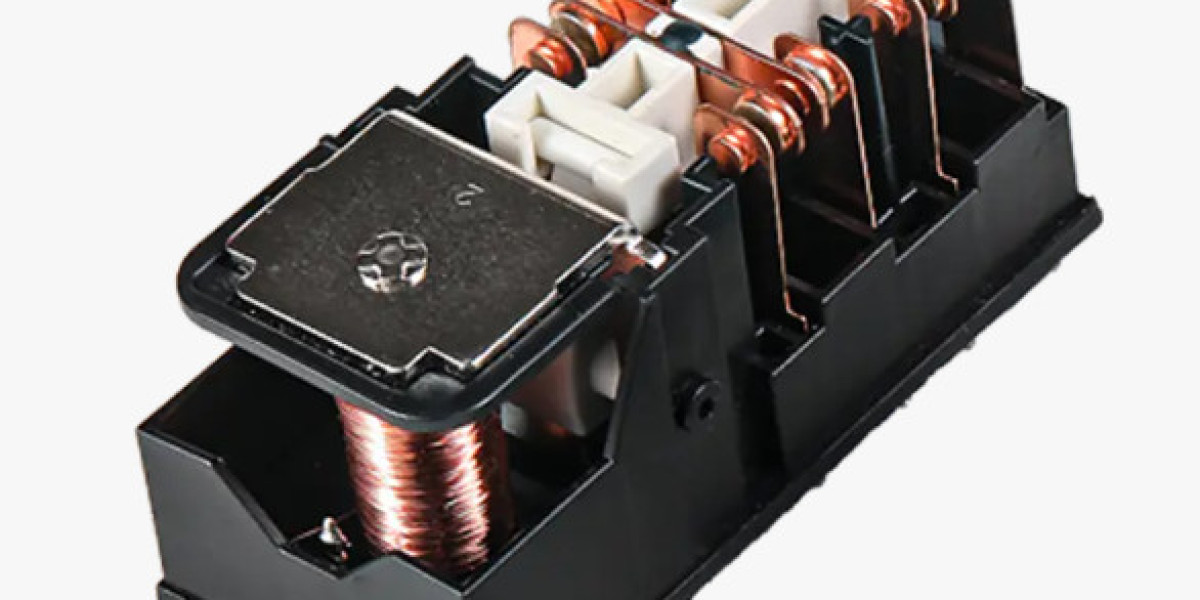

A relay module board is designed to control switching functions within industrial and electronic systems, but reliability is often affected by factors beyond the relay component. In many applications, the relay module board experiences thermal stress caused by repeated switching cycles and compact PCB layouts. As heat accumulates around relays, nearby solder joints, copper traces, and insulation materials may gradually age even when the relay continues operating normally.
The relay module board is also influenced by PCB design quality. Trace width, current routing, and component spacing affect heat distribution and electrical stability across the board. Thin copper paths or concentrated current areas can create localized temperature rise, leading to long-term stress on surrounding structures. At the same time, solder joints are continuously exposed to expansion and contraction as operating temperatures fluctuate. Over time, this process may weaken electrical connections, especially in environments involving vibration or frequent switching activity.
External wiring connections also play an important role. Loose terminals, oxidation, or unstable cable pressure can increase resistance and generate additional heat around connection points. In modern control systems, electromagnetic interference has become another consideration, as relay switching noise may affect nearby circuits if grounding and isolation are not carefully managed.
In practical operation, the performance of a relay module depends on the interaction between the relay, PCB layout, thermal conditions, solder integrity, and connection stability rather than on the relay alone.
Ubicación del Autor
United States of America