
Ear piercings have become a popular way to express personality without saying a word. Some people prefer a simple look with one pair of earrings, while others enjoy creating a combination of different piercings that gradually grows over time. Whatever your preference, choosing the right placement begins with understanding the structure of your ear instead of simply following a trend.
Many people walk into a piercing studio after saving photos from social media, only to discover that their ear shape is completely different from the one in the picture. That doesn't mean they have fewer options. In fact, learning about your own ear often opens the door to styles that suit you even better.
Before deciding where your next piercing should go, read more about the ear piercing chart to become familiar with the different parts of the ear and how each placement is identified.
Why Every Ear Is Different
Just like fingerprints, ears are unique. Some people have wider lobes, while others have thicker cartilage or a more defined outer rim. These differences may seem small, but they influence which piercings can be performed comfortably and safely.
A professional piercer will always examine your anatomy before recommending a placement. They consider available space, cartilage shape, and how jewelry will sit once the piercing has healed.
Looking at an ear chart for piercings before your appointment can help you understand the names of different locations and make conversations with your piercer much easier.
Getting Familiar with Popular Placements
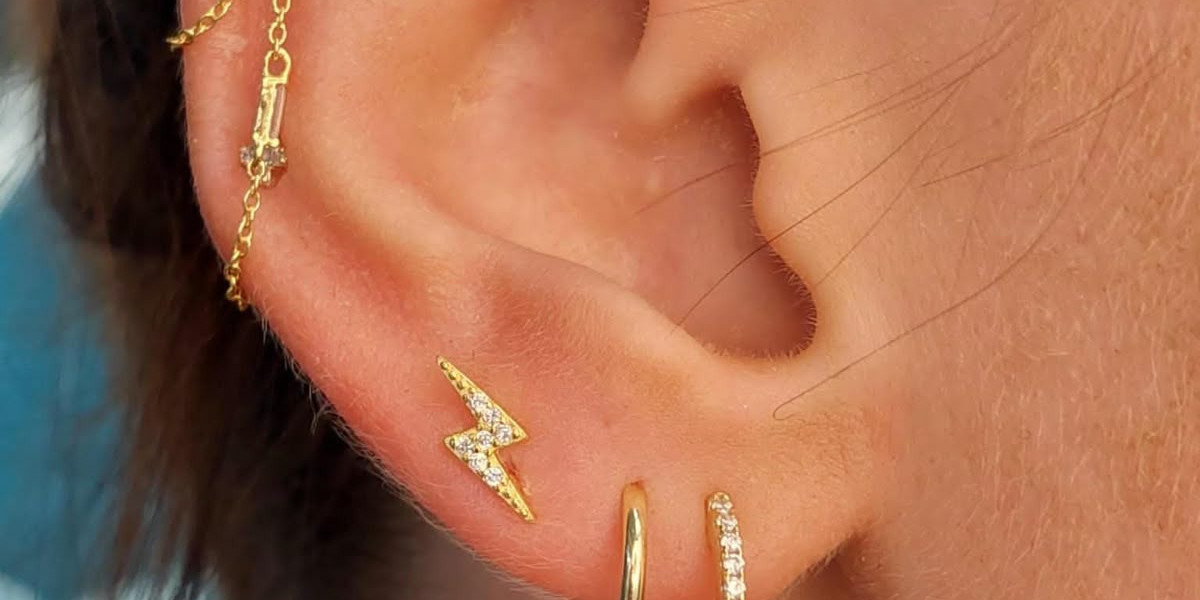
The lobe is often the first piercing people receive because it passes through soft tissue and generally heals more quickly than cartilage. As confidence grows, many choose additional placements to create a more personalized appearance.
The helix follows the outer edge of the ear, while the forward helix sits closer to the face. The tragus covers the small section of cartilage near the ear canal, and the conch is positioned in the middle of the ear. Other well-known placements include the rook, daith, flat, and snug.
An ear piercing chart provides a simple way to identify these locations without confusion. It also helps you compare different options before making a decision.
Comparing Different Styles
Choosing a piercing becomes easier when you understand how each placement differs from the next. Rather than focusing only on appearance, it's also helpful to consider healing time, jewelry choices, and how future piercings may fit alongside your first one.
An ear piercing types chart allows you to compare several placements in one place. Seeing every option clearly labeled helps you imagine how each piercing could complement the natural shape of your ear.
A types of ear piercing chart also makes it easier to discuss your ideas during a consultation because both you and your piercer can refer to the same placement names.
Taking a little extra time to compare styles often results in choices you'll continue to enjoy long after the piercing has healed.
Looking at Every Placement Together
People planning multiple piercings usually benefit from seeing the entire ear instead of focusing on a single location.
An all ear piercings chart shows every commonly recognized placement on one illustration. This makes it easier to understand how different piercings relate to one another and where additional jewelry may fit in the future.
An all ear piercing chart is equally useful for visualizing balance. Some people prefer matching both ears, while others create completely different arrangements on each side.
Remember that these charts are educational references. Your anatomy will always determine which placements are most suitable.
Understanding Jewelry Sizes
After selecting a placement, choosing the correct jewelry becomes the next important step.
An ear piercing size chart explains the gauge thickness and jewelry lengths commonly used for different piercing locations. During the healing process, jewelry is usually selected with enough room to accommodate natural swelling.
After healing, many people switch to jewelry with a closer fit for everyday comfort. Understanding these measurements before your appointment can help you make informed decisions when choosing your jewelry.
It also makes future purchases much easier because you'll already know the size recommended for your piercing.
Building Your Collection Over Time
One of the best things about ear piercings is that they don't need to happen all at once. Many people gradually add new piercings over several months, allowing each one to heal before planning the next.
Looking through different ear piercing charts between appointments gives you time to experiment with ideas and decide how you want your overall arrangement to develop.
This thoughtful approach often creates a more balanced appearance than making several spontaneous decisions during one visit.
Learning Before Your Appointment
Preparation helps make every piercing experience more enjoyable. Becoming familiar with placement names, jewelry sizes, and healing expectations allows you to ask better questions and understand the recommendations provided by your piercer.
Helpful educational resources from Antiquecut make it easier to learn about different piercing locations before scheduling an appointment, giving you greater confidence when discussing your options.
The more informed you are, the easier it becomes to choose a piercing that suits both your lifestyle and your ear anatomy.
Final Thoughts
An ear piercing is something you'll wear every day, so it's worth taking the time to understand your options before making a decision. Learning about different placements, jewelry sizes, and ear anatomy helps create a more comfortable and rewarding experience.
Whether you're planning your very first piercing or adding to an existing collection, reviewing an ear piercing chart is an excellent place to begin. Exploring an ear piercing size chart, comparing an ear piercing types chart, studying an all ear piercings chart, referring to an all ear piercing chart, using an ear chart for piercings, and browsing ear piercing charts can help you feel prepared before sitting in the piercing chair.
When knowledge is combined with professional advice, choosing the right piercing becomes much easier, allowing you to enjoy a result that feels both comfortable and personal.
Ubicación del Autor
US