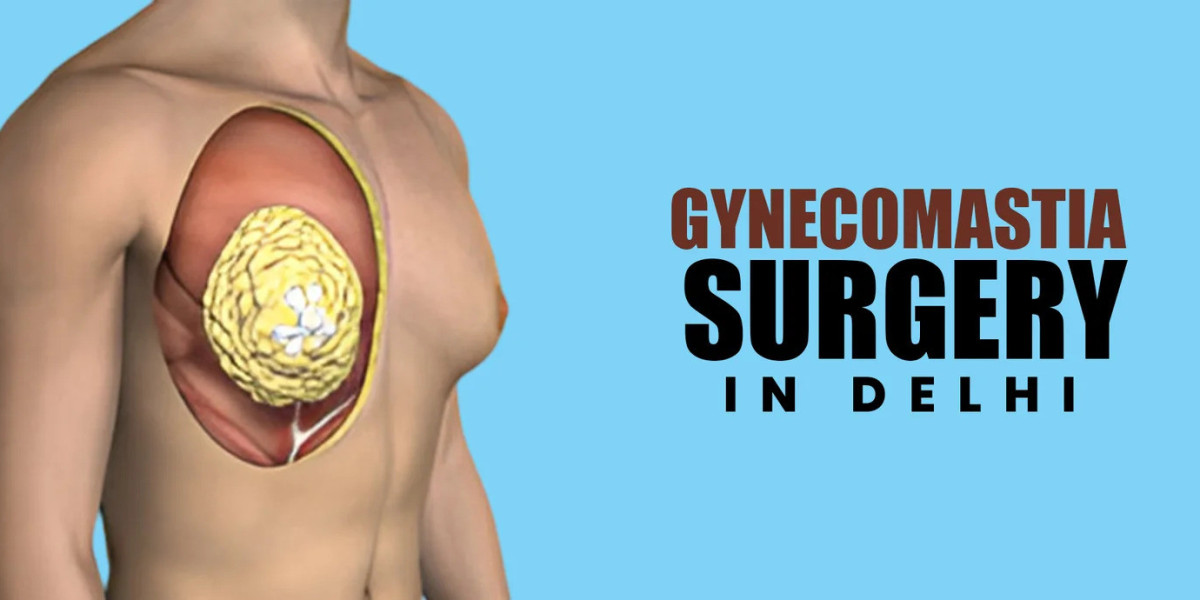

A large number of men who look up Gynecomastia in Delhi have already spent months trying to fix the problem on their own, with chest exercises, calorie cutting, or supplements they read about online. When none of it works, they assume surgery is the next step. But before surgery can be appropriately recommended, a proper diagnosis needs to come first. And that diagnosis can change everything about how the condition is treated.
What Is Being Diagnosed?
Gynecomastia is the enlargement of glandular breast tissue in men. But not every case of chest enlargement in men is gynecomastia. Three distinct situations can look similar from the outside but require completely different treatments:
True gynecomastia involves actual enlargement of glandular breast tissue beneath the nipple. This tissue is firm, feels like a small disc, and does not respond to diet or exercise. It is caused by a hormonal imbalance between oestrogen and testosterone.
Pseudo-gynecomastia is chest enlargement caused entirely by excess fatty tissue, and no glandular tissue is involved. This is more common in men who are overweight and can sometimes be reduced with weight loss.
Mixed gynecomastia involves both glandular tissue and excess fat. This is actually the most commonly seen presentation in surgical practice.
Getting this distinction right before surgery is critical. If a patient has pseudo-gynecomastia and the surgeon only performs liposuction, the result may be good. But if a patient has true gynecomastia and only liposuction is done, the firm glandular tissue under the nipple will remain, and the patient will not see the flat chest they expected.
Why Does the Cause of Gynecomastia Also Matters?
Beyond identifying the type, a thorough diagnosis also looks at the underlying cause. This matters because some causes are treatable without surgery, and treating them first may reduce or eliminate the need for a procedure.
Common causes include:
Hormonal changes during puberty: In many teenage boys, gynecomastia resolves on its own within 6 to 12 months
Medications: Certain antihypertensives, psychiatric medications, steroids, and proton pump inhibitors
Anabolic steroid use: Common but often undisclosed
Underlying health conditions: Including liver disorders, thyroid dysfunction, or conditions affecting testosterone production
Obesity: Excess body fat increases oestrogen levels and can trigger glandular growth
Idiopathic: In some cases, no clear cause is found
If a medication is responsible, switching it may reduce the enlargement. If an underlying condition is the trigger, treating that first is the appropriate step. Surgery is most appropriate when glandular tissue is established and unlikely to resolve on its own.
How Is Gynecomastia Properly Assessed?
A thorough evaluation at Langersculpt typically includes:
Physical examination: To assess the nature of the tissue, whether it is glandular or fatty, and the grade of the gynecomastia
Blood tests: To check hormone levels, including testosterone, oestrogen, prolactin, and thyroid function
Ultrasound: To confirm the presence of glandular tissue and distinguish it from fatty tissue
Review of medications and lifestyle history
This assessment directly informs the surgical plan. A patient with Grade I gynecomastia (minor glandular enlargement with no excess skin) needs a different approach than a patient with Grade III or IV (significant enlargement with excess skin and possibly a more feminine appearance).
What the Right Surgical Plan Looks Like?
At Langersculpt, the surgical approach for gynecomastia depends on what the assessment finds:
Liposuction is used when the enlargement is predominantly fatty, removing fat through small, discreet incisions.
Glandular excision is the technique used to remove actual glandular tissue. This is the definitive treatment for true gynecomastia and the only way to reliably address puffy nipples and firm tissue beneath the areola.
Combination approach uses both liposuction and excision and is the most commonly performed technique because most patients have a mix of glandular tissue and excess fat.
Gynecomastia surgery cost at Langersculpt depends on the grade, technique used, and post-operative care.
Conclusion
The difference between a successful gynecomastia surgery and a disappointing one often comes down to what happened before the surgery. If the type and cause are not properly identified, the wrong technique can be chosen, and the result will not match the expectation. If you are exploring Plastic Surgery in Delhi for gynecomastia, a thorough consultation and assessment are the most important first steps, not the surgery itself.
Dr. (Col.) Vijay Langer at Langersculpt, Defence Colony, has over 30 years of surgical experience and is a trusted name in Gynecomastia in Delhi. He evaluates each case thoroughly before recommending any surgical approach. Book your consultation on the website to get an accurate diagnosis and a clear treatment plan.
Ubicación del Autor
D-122, Ground Floor Defence Colony, New Delhi