

Introduction
Modern architecture is defined by clean lines, premium materials, and façades that combine visual appeal with long-lasting performance. Whether designing a luxury home, commercial building, educational facility, or public infrastructure, architects and builders seek cladding systems that not only enhance aesthetics but also withstand Australia's demanding climate.
Flat-lock panels have become one of the most popular architectural cladding solutions because they offer a sleek, contemporary appearance while delivering exceptional durability and design flexibility. Their concealed fixing system creates smooth, uninterrupted surfaces that complement minimalist architectural styles, making them a preferred option for high-end residential and commercial projects.
This article explores what flat-lock panels are, their advantages, common applications, and why they continue to be one of the leading choices for modern building façades.
What Are Flat-lock Panels?
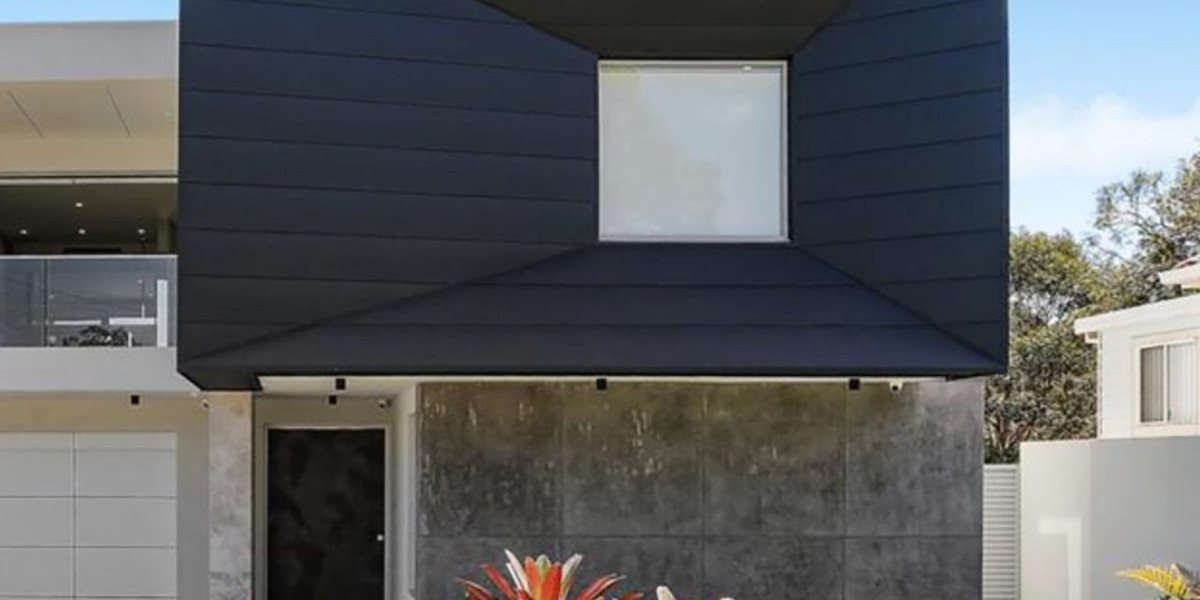
Flat-lock panels are interlocking metal cladding panels designed to create seamless wall and façade finishes. Each panel locks securely into adjacent panels using concealed fixings, eliminating the need for visible screws or fasteners.
Unlike conventional metal cladding systems, flat-lock panels create a refined geometric pattern that enhances the overall appearance of a building. They can be installed in horizontal, vertical, or diagonal layouts, allowing architects to create distinctive façade designs that suit a wide range of architectural styles.
Available in multiple sizes, finishes, and materials, flat-lock panels provide flexibility without compromising structural performance.
How the Flat-lock System Works
The flat-lock system uses four-sided folded edges that interlock with surrounding panels. This design creates a secure installation while hiding all mechanical fixings beneath the panel surface.
The concealed installation method offers several advantages:
- Clean architectural appearance
- Improved weather protection
- Reduced risk of corrosion around exposed fasteners
- Consistent panel alignment
- Enhanced structural integrity
Because no visible screws interrupt the façade, buildings maintain a sophisticated and premium finish that remains attractive for many years.
Key Benefits of Flat-lock Panels
Contemporary Architectural Design
One of the biggest reasons architects specify flat-lock panels is their modern appearance.
The smooth, uniform surface complements contemporary buildings by creating sharp lines and elegant shadow effects. Designers can combine different panel sizes, orientations, and colours to create unique visual patterns without overwhelming the building's overall design.
Whether used across an entire façade or as an architectural feature, flat-lock panels deliver exceptional design flexibility.
Concealed Fixing System
Visible fasteners can detract from even the most attractive building designs.
Flat-lock panels eliminate this issue through concealed fixing technology that hides all installation components behind the finished surface.
Benefits include:
- Cleaner aesthetics
- Better weather sealing
- Lower maintenance requirements
- Reduced dirt accumulation
- Greater long-term durability
This seamless finish is particularly valuable for premium commercial developments and luxury residential properties.
Outstanding Weather Resistance
Australian buildings must withstand harsh sunlight, heavy rain, coastal environments, and temperature fluctuations.
Flat-lock panels are engineered to perform under these demanding conditions.
When installed correctly, they help protect building envelopes from:
- Moisture penetration
- Wind-driven rain
- UV exposure
- Corrosion
- Thermal movement
This makes them suitable for projects throughout Australia's diverse climate zones.
Material Options for Every Project
One of the greatest advantages of flat-lock panels is their compatibility with various architectural metals.
Common material choices include:
Aluminium
Lightweight, corrosion-resistant, and easy to fabricate, aluminium is ideal for commercial and residential façades requiring minimal maintenance.
COLORBOND® Steel
A popular choice across Australia, COLORBOND® steel offers exceptional durability, colour stability, and weather resistance while providing numerous colour options.
Zinc
Zinc develops a natural protective patina over time, making it highly durable while creating a distinctive architectural appearance.
Copper
Copper provides timeless elegance and gradually develops its famous green patina, giving buildings unique character as they age.
Stainless Steel
Ideal for demanding environments where superior corrosion resistance and strength are required.
Corten Steel
Corten creates a weathered appearance while forming a protective outer layer that helps resist further corrosion, making it popular for contemporary architectural designs.
Design Flexibility for Architects
Modern architectural projects often require customised façade solutions rather than standard products.
Flat-lock panels provide exceptional flexibility through:
- Multiple panel dimensions
- Custom fabrication
- Vertical installation
- Horizontal installation
- Diagonal layouts
- Curved surfaces
- Feature walls
- Mixed-material façades
This versatility allows architects to create signature building designs while maintaining consistency across large projects.
Applications Across Multiple Building Types
Flat-lock panels are suitable for a wide variety of projects.
Common applications include:
Residential Homes
Luxury homes benefit from clean façades that complement contemporary architectural styles.
Commercial Buildings
Office developments, retail centres, and mixed-use projects use flat-lock panels to create modern, professional exteriors.
Educational Facilities
Schools and universities require durable, low-maintenance cladding capable of performing for decades.
Hospitality Projects
Hotels and resorts often incorporate flat-lock panels to achieve premium architectural finishes.
Public Buildings
Government buildings, museums, libraries, and cultural centres frequently specify concealed-fix cladding systems for both performance and aesthetics.
Sustainability Benefits
Sustainability has become an essential consideration in construction.
Many flat-lock panel systems contribute to environmentally responsible building practices through:
- Recyclable metal materials
- Long service life
- Reduced maintenance requirements
- Compatibility with insulated wall systems
- Lower replacement frequency
Their durability also reduces lifecycle costs, making them an economical investment over the building's lifespan.
Why Architects and Builders Choose Flat-lock Panels
Professionals consistently specify flat-lock panels because they combine aesthetics with performance.
Advantages include:
- Premium architectural appearance
- Concealed fixing system
- Excellent weather resistance
- Multiple material options
- Design flexibility
- Long service life
- Low maintenance
- Suitable for complex façade designs
- Sustainable building solution
These benefits make flat-lock panels one of Australia's most versatile architectural cladding systems.
Conclusion
Flat-lock panels have become a preferred architectural cladding solution because they successfully combine contemporary aesthetics with exceptional performance. Their concealed fixing system, versatile design possibilities, and compatibility with premium metals make them suitable for residential, commercial, institutional, and public buildings alike.
For architects seeking design freedom, builders requiring reliable installation systems, and property owners investing in long-term value, flat-lock panels offer an outstanding balance of durability, weather resistance, sustainability, and visual appeal. As architectural trends continue to favour clean lines and premium finishes, flat-lock panels remain one of the best choices for creating elegant, high-performing building façades.
Frequently Asked Questions
What are flat-lock panels?
Flat-lock panels are interlocking metal cladding panels with concealed fixings that create seamless architectural façades.
Where can flat-lock panels be installed?
They are commonly used on exterior walls, façades, feature walls, soffits, and selected roofing applications.
Which materials are available?
Popular options include aluminium, COLORBOND® steel, zinc, copper, stainless steel, and Corten steel.
Are flat-lock panels suitable for Australian weather?
Yes. They are designed to withstand harsh UV exposure, heavy rain, coastal conditions, and temperature changes when installed correctly.
Why are concealed fixings important?
Concealed fixings improve aesthetics, reduce corrosion risks, enhance weather resistance, and create a clean, uninterrupted façade.
Ubicación del Autor
China Peak Mountain Resort, California 168, Lakeshore, California, EE. UU.














