
As businesses adopt cloud applications, remote work models, and digital platforms, managing secure access has become more challenging. Traditional security methods that rely only on usernames and passwords are no longer enough to protect sensitive business information from evolving cyber threats. Organizations need smarter access control solutions that can evaluate users, devices, and security conditions before granting permission.
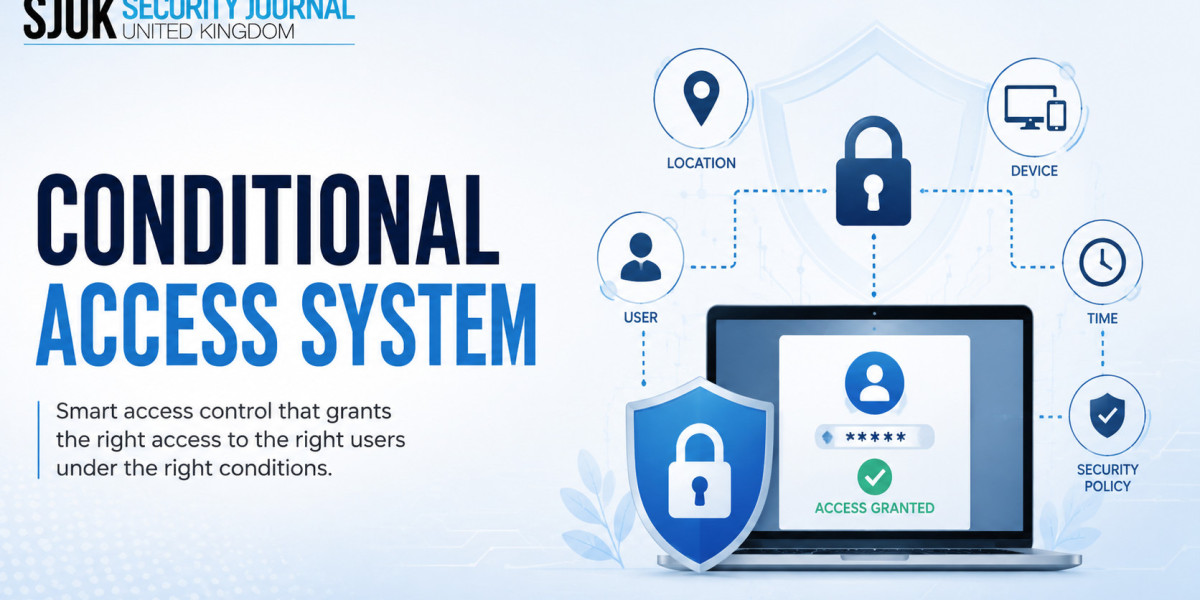
A conditional access system helps businesses strengthen security by making access decisions based on factors such as user identity, device compliance, location, authentication level, and risk assessment. While standard access controls may work for basic requirements, a custom solution allows organizations to create security policies based on their unique workflows and operational needs.
Recognizing the signs that your business needs a custom conditional access system can help prevent unauthorized access, improve compliance, and build a stronger cybersecurity framework.
What Is a Custom Conditional Access System?
A custom conditional access system is an advanced security solution that controls access to applications, networks, and sensitive data based on specific conditions defined by an organization. Unlike traditional access methods, it does not automatically approve users after authentication. Instead, it evaluates multiple security factors before allowing access.
These conditions may include:
User identity and role
Device security status
Geographic location
Network reliability
Login behavior
Authentication methods
Security risk levels
A customized approach enables businesses to create policies that match their security requirements. For example, an organization can require additional verification when employees access confidential information from unknown devices or unusual locations.
Custom conditional access solutions are also an important part of zero-trust security strategies, where every access request is continuously verified before permission is granted.
Sign 1: Your Business Relies on Multiple Cloud Applications
Many organizations now use multiple cloud platforms for communication, collaboration, data storage, and business operations. While cloud applications improve efficiency, they also increase the number of access points that attackers can target.
Managing access manually across different platforms can become difficult, especially when employees, contractors, and partners require different levels of permissions. Password-based security alone may not provide sufficient protection against compromised credentials.
How a Custom Conditional Access System Helps
A custom conditional access system allows businesses to create application-specific security policies. Organizations can control access based on:
Approved devices
User roles
Authentication requirements
Security risks
For example, employees may access general business applications with standard authentication, while sensitive financial systems may require additional verification steps.
This approach ensures that users receive appropriate access without creating unnecessary security risks.
Sign 2: Your Workforce Works Remotely or Across Multiple Locations
Remote and hybrid work environments have expanded the way employees access company resources. However, accessing systems from different locations, personal devices, and public networks creates additional security challenges.
Organizations may struggle to verify whether access requests are coming from trusted users or potentially compromised accounts. Without proper controls, attackers who obtain login credentials can attempt unauthorized access from unfamiliar locations.
How a Custom Conditional Access System Helps
A customized access solution can evaluate real-time factors before approving remote access requests. Businesses can apply policies such as:
Blocking access from risky locations
Requiring multi-factor authentication
Allowing access only from secure devices
Restricting access based on network conditions
This helps organizations support flexible work environments while maintaining strong security protection.
Sign 3: Your Business Handles Sensitive or Regulated Data
Businesses operating in industries such as healthcare, finance, and professional services often manage confidential customer information and sensitive business data. Unauthorized access to this information can result in financial losses, reputational damage, and compliance issues.
Basic access controls may not provide enough visibility or protection when dealing with highly sensitive resources.
How a Custom Conditional Access System Helps
A custom solution allows organizations to apply stricter security rules for sensitive information. Businesses can:
Limit access to authorized users only
Require stronger authentication methods
Monitor access activities
Apply security policies based on data sensitivity
For example, an employee accessing confidential records may need to verify their identity through multiple authentication steps before gaining access.
Sign 4: You Experience Suspicious Login Attempts or Account Security Issues
Credential theft and compromised accounts remain common causes of security incidents. When attackers gain access to valid login details, traditional authentication methods may fail to identify suspicious activity.
Unusual login patterns, unknown devices, and unexpected locations can indicate potential security threats.
How a Custom Conditional Access System Helps
A custom conditional access system improves threat detection by analyzing access requests in real time. It can:
Identify unusual login behavior
Require additional authentication for risky activities
Restrict suspicious access attempts
Block unauthorized users automatically
For example, if an employee account attempts to access business systems from an unfamiliar country, the system can trigger additional verification before allowing access.
Sign 5: Your Current Access Management Process Is Difficult to Manage
As organizations grow, managing user permissions manually becomes increasingly complex. Employees may change roles, new users may join, and former employees may still have outdated access privileges.
Poorly managed permissions can create security gaps and increase the risk of unauthorized data exposure.
How a Custom Conditional Access System Helps
A customized solution provides centralized control over access policies. Businesses can automate security decisions based on predefined rules and update permissions more efficiently.
Benefits include:
Faster employee onboarding and offboarding
Reduced administrative workload
Better visibility into user access
Improved permission accuracy
This ensures employees have the access they need while preventing unnecessary privileges.
Benefits of Implementing a Custom Conditional Access System
A custom conditional access system helps businesses move beyond traditional security methods by creating smarter, risk-based access controls. By evaluating factors such as user identity, device health, location, and access behavior, organizations can improve security while ensuring authorized users have seamless access to the resources they need.
Stronger Identity Protection
One of the biggest advantages of a custom conditional access system is improved identity protection. Instead of relying only on passwords, businesses can verify multiple security factors before granting access. This reduces the risk of unauthorised account usage, credential theft, and identity-based attacks by ensuring that only trusted users and verified devices can access sensitive resources.
Support for Zero-Trust Security
Modern businesses are increasingly adopting zero-trust security models where every access request must be verified before approval. A custom conditional access system supports this approach by continuously evaluating users, devices, and security conditions. This helps organisations maintain stronger protection even when employees access systems from different locations or networks.
Improved Compliance
Organisations handling sensitive business or customer data must follow strict security and compliance requirements. A customised access solution helps maintain better control over who can access critical information and under what conditions. Detailed access policies, authentication requirements, and monitoring capabilities make it easier for businesses to demonstrate compliance with industry regulations.
Enhanced Remote Work Security
With remote and hybrid work becoming common, businesses need secure ways to provide access outside traditional office environments. A custom conditional access system enables flexible working while maintaining strong security by verifying devices, locations, and user behaviour before allowing access to company resources.
Better Access Visibility
Understanding who accesses business systems and how they use resources is essential for preventing security risks. Conditional access solutions provide security teams with better visibility into user activity, login patterns, and potential threats. This allows organizations to quickly identify suspicious behavior and take preventive action.
Best Practices for Implementing Conditional Access
Implementing a conditional access strategy requires careful planning to ensure security policies improve protection without affecting business operations. Following best practices helps organizations create effective access controls that adapt to changing security needs.
Identify Critical Resources
Before creating access policies, businesses should identify their most valuable applications, systems, and data. Understanding which resources require stronger protection helps organisations prioritise security controls and apply appropriate access conditions based on risk levels.
Apply Multi-Factor Authentication
Multi-factor authentication adds a security layer by requiring users to verify their identity through multiple methods. Combining passwords with authentication apps, biometric verification, or security codes helps reduce the chances of unauthorized access even if login credentials are compromised.
Follow Least Privilege Principles
Providing users with only the access required for their specific responsibilities reduces unnecessary security risks. Organizations should regularly review permissions and ensure employees, contractors, and partners have appropriate access levels based on their roles.
Review Policies Regularly
Security threats and business requirements constantly change, making regular policy reviews essential. Organizations should update conditional access rules based on new applications, workforce changes, emerging threats, and evolving compliance requirements.
Monitor User Activity
Continuous monitoring helps businesses detect unusual access patterns and potential security incidents. By tracking login attempts, device behavior, and user activities, security teams can quickly respond to suspicious events and strengthen overall protection.
Conclusion
A growing business needs more than traditional authentication methods to protect digital resources. If your organization faces challenges with cloud access, remote work security, sensitive data protection, suspicious login attempts, or complex permission management, a custom conditional access system can provide stronger control and security.
By implementing personalized access policies, businesses can reduce risks, improve compliance, and create a more secure digital environment. Security Journal United Kingdom provides expert insights, cybersecurity updates, and industry trends to help organizations understand modern security solutions and strengthen their access management strategies.
FAQs
1. What is a custom conditional access system?
A custom conditional access system is a security solution that controls access based on specific business-defined conditions such as user identity, device security, location, and risk level.
2. How does conditional access improve business security?
Conditional access improves security by verifying users and devices before granting access, reducing risks from compromised accounts and unauthorized login attempts.
3. Is conditional access useful for remote employees?
Yes, conditional access helps secure remote work by applying policies based on device compliance, location, and authentication requirements.
4. Can small businesses use a conditional access system?
Yes, businesses of all sizes can use conditional access solutions to improve identity security, protect sensitive data, and manage access more effectively.
Ubicación del Autor
71-75 Shelton Street London Greater London WC2H 9JQ UNITED KINGDOM