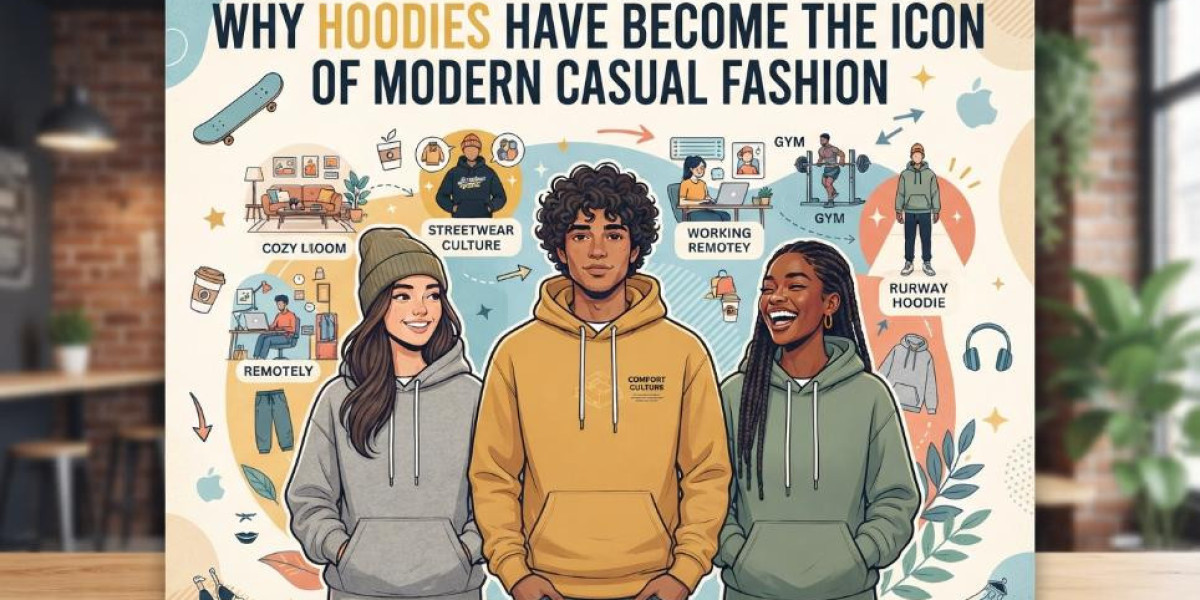

Few garments have managed to move so effortlessly between comfort, culture, and everyday style as the hoodie. What was once associated primarily with athletic wear and practical outerwear has become one of the defining pieces of modern casual fashion. Today, hoodies appear everywhere, from city streets and college campuses to music events, coffee shops, airports, and relaxed workplaces.
The appeal is easy to understand. A hoodie combines warmth, comfort, and practicality with an almost limitless ability to reflect personal style. It can be oversized or fitted, understated or graphic-heavy, minimalist or connected to a particular music, sports, gaming, or streetwear culture. More importantly, it works across seasons and age groups, making it one of the most adaptable pieces in a contemporary wardrobe.
But the hoodie's popularity is about more than convenience. Its rise reflects broader changes in how people think about clothing. Modern consumers increasingly value versatility, self-expression, relaxed silhouettes, and garments that fit naturally into different parts of their lives. The hoodie sits directly at the intersection of all these trends.
From Practical Layer to Fashion Essential
The hoodie originally gained recognition because of its practical qualities. A hood offered additional protection from cold and wind, while the relaxed construction made the garment comfortable for physical activity and everyday use. Over time, however, its cultural meaning expanded dramatically.
Sportswear helped introduce hoodies into mainstream wardrobes, while youth culture and streetwear gave them a distinct visual identity. The garment became associated with individuality, music, skateboarding, hip-hop, urban culture, and eventually luxury fashion. Designers began experimenting with fabrics, proportions, graphics, colors, and construction, proving that a hoodie could be much more than basic leisurewear.
Several characteristics explain why the transition happened so successfully:
- Comfort: Soft fabrics and relaxed fits make hoodies suitable for extended everyday wear.
- Layering: They can be worn underneath jackets or over T-shirts and lightweight tops.
- Versatility: A single hoodie can support casual, athletic, streetwear, and fashion-forward outfits.
- Self-expression: Graphics, logos, colors, and silhouettes allow wearers to communicate their interests and identity.
- Seasonal practicality: Hoodies work particularly well during transitional weather and cooler months.
That combination has helped transform the hoodie from a functional garment into a wardrobe staple with cultural significance.
Why Comfort Became a Fashion Priority
One of the biggest reasons hoodies dominate casual wardrobes is the changing relationship between comfort and style. Consumers are no longer willing to separate the clothes they enjoy wearing from the clothes they consider fashionable. Instead, modern casual fashion increasingly expects both qualities to coexist.
Relaxed lifestyles have accelerated this shift. People may work remotely in the morning, meet friends for lunch, run errands in the afternoon, and attend an informal social gathering later in the day. Wearing something that can adapt to each situation is considerably more convenient than changing outfits repeatedly.
The hoodie answers that need naturally. A clean, neutral design can look polished with jeans and sneakers, while a bold graphic version can become the central statement of a streetwear outfit. Add a structured coat and the same hoodie can take on a more sophisticated appearance. Its flexibility gives consumers more value from a single purchase.
| Hoodie Style | Best Styling Direction | Primary Appeal |
|---|---|---|
| Classic Pullover | Jeans, joggers, sneakers | Everyday comfort |
| Oversized Hoodie | Wide-leg trousers, cargos, chunky sneakers | Contemporary streetwear |
| Graphic Hoodie | Denim, cargo pants, casual footwear | Self-expression |
| Minimalist Hoodie | Chinos, tailored trousers, clean sneakers | Refined casual style |
| Zip-Up Hoodie | Layered with T-shirts and jackets | Practical versatility |
This balance between functionality and aesthetics is central to the hoodie's continued popularity. It does not require consumers to choose between looking good and feeling comfortable.
Streetwear Made the Hoodie a Cultural Symbol
The modern hoodie cannot be discussed without acknowledging the influence of streetwear. Streetwear changed the fashion conversation by treating everyday garments as cultural statements. Instead of relying exclusively on formal tailoring or traditional luxury pieces, the movement elevated sneakers, graphic T-shirts, sweatshirts, tracksuits, and hoodies.
Within this environment, the hoodie became a blank canvas. A simple silhouette could carry a logo, illustration, slogan, sports reference, artistic concept, or cultural message. The garment itself remained familiar, but its meaning could change depending on the design.
This is one reason branded and graphic hoodies have become so powerful. Consumers often purchase them because they connect with what the design represents rather than simply because they need another warm layer. Clothing becomes a way to participate in a community or communicate an interest.
The result is a category where relatively small design decisions can create significant differences in perceived identity. Fabric weight, hood construction, embroidery, print placement, color combinations, and fit all contribute to the final impression.
Celebrity Culture and the Rise of Statement Hoodies
Popular culture has also played a major role in turning hoodies into recognizable fashion statements. Musicians, athletes, actors, influencers, and other public figures frequently wear casual clothing in public appearances and social media content. Their choices can quickly influence consumer preferences.
Music culture has been particularly influential. Artists increasingly treat clothing as an extension of their creative identity, using merchandise, tour apparel, collaborations, and distinctive silhouettes to build stronger relationships with fans. A hoodie can therefore function simultaneously as fashion, merchandise, and a symbol of fandom.
That cultural connection is evident in products such as a monster energy hoodie, where a familiar visual identity can turn an everyday sweatshirt into a recognizable statement piece. The appeal comes from combining the relaxed practicality of a hoodie with branding that already has cultural recognition.
This approach also demonstrates why hoodies are so effective as lifestyle products. They offer enough surface area for graphics and branding while remaining easy to incorporate into an ordinary wardrobe. Unlike some highly specialized fashion items, the hoodie does not require a complete outfit built around it.
Celebrity Merchandise Has Changed Consumer Expectations
Modern audiences have become increasingly comfortable wearing clothing connected to entertainment and popular culture. Music merchandise no longer has to look like a simple souvenir. Contemporary artist apparel can incorporate carefully considered typography, premium fabrics, oversized silhouettes, vintage-inspired graphics, and fashion-oriented color palettes.
This has helped blur the boundary between merchandise and mainstream fashion. Fans can wear a piece because they appreciate an artist while also enjoying its design as a standalone garment.
A drake hoodie, for example, illustrates how an artist-associated garment can operate within the broader streetwear ecosystem. The hoodie silhouette provides familiarity, while the connection to music gives it a stronger identity and emotional value.
This trend is significant because modern fashion purchasing is increasingly emotional. Consumers want products that tell a story, represent an interest, or remind them of a particular cultural moment. Hoodies are exceptionally well suited to this because their large front and back panels provide room for visual storytelling.
How the Hoodie Became a Layering Essential
Another reason the hoodie has become so influential is its role as a layering piece. Modern casual outfits are often built around multiple textures and proportions rather than a single dominant garment. A hoodie can provide a soft middle layer between a basic shirt and a heavier outer layer.
For example, a neutral hoodie can be combined with:
- A denim jacket for a classic casual look.
- A bomber jacket for a sport-inspired streetwear outfit.
- A leather jacket for stronger visual contrast.
- A long coat for a contemporary high-low combination.
- A lightweight overshirt for transitional weather.
- Cargo trousers and sneakers for a utility-focused streetwear aesthetic.
The hood itself also adds visual depth. When worn beneath a jacket or coat, it creates another layer around the neckline, giving a simple outfit more dimension without requiring complicated accessories.
Camouflage and Graphic Details Add Personality
While neutral hoodies remain extremely popular, contemporary consumers also use patterns and graphics to make casual outfits more distinctive. Camouflage is a particularly interesting example because it has moved beyond its traditional military associations and become a recurring fashion pattern.
Different camouflage treatments can produce very different results. Muted green and brown versions create a rugged appearance, while monochromatic or lighter interpretations feel cleaner and more contemporary. The scale of the pattern also matters, especially when working with oversized silhouettes.
An abercrombie camo hoodie demonstrates how a familiar camouflage concept can be reinterpreted through a lighter color palette and casual popover construction. Rather than treating camouflage solely as a rugged utility pattern, modern styling can make it feel approachable and fashion-oriented.
Patterned hoodies work particularly well when the rest of the outfit is relatively restrained. Allowing one statement piece to dominate the look prevents the outfit from becoming visually crowded.
The Psychology Behind the Hoodie’s Popularity
There is also a psychological element to the hoodie's success. Clothing influences how people feel, and comfort can affect confidence, mood, and willingness to engage with everyday activities. The hoodie offers a familiar sense of ease while still allowing the wearer to look intentional.
Its silhouette can also create a feeling of personal space. The hood, higher neckline, and relaxed construction provide a subtle sense of separation from the surrounding environment. For many consumers, that physical comfort translates into an emotional association with relaxation and familiarity.
At the same time, hoodies can communicate belonging. A graphic associated with a favorite artist, team, brand, game, or community creates an immediate visual connection with others who recognize it.
That combination, personal comfort plus cultural identity, is difficult for many other garments to replicate.
Hoodies Fit the Modern Wardrobe
Another major advantage is the hoodie's ability to work across conventional gender boundaries. Many contemporary hoodie designs are effectively for both genders, with consumers choosing sizes and silhouettes based more on personal preference than traditional menswear or womenswear categories.
Oversized fits can create a relaxed, fashion-forward appearance, while closer cuts offer a cleaner everyday silhouette. Cropped versions, heavyweight constructions, washed finishes, and zip-front designs provide additional ways to personalize the garment.
This flexibility gives hoodies broad commercial appeal. A single design language can often reach multiple consumer groups with relatively minor adjustments to sizing, color, and styling.
How to Style a Hoodie Without Looking Basic
The key to making a hoodie look intentional is understanding proportion, contrast, and context. Simply putting on a sweatshirt with sweatpants can be comfortable, but modern styling offers many more possibilities.
- Start with the silhouette. Choose an oversized hoodie for a relaxed streetwear look or a more structured fit for a cleaner appearance.
- Create contrast. Pair soft fleece or cotton with denim, leather, nylon, wool, or structured outerwear.
- Keep the color story controlled. Neutral trousers can balance a graphic or patterned hoodie.
- Use footwear strategically. Sneakers emphasize casual styling, while boots can introduce a more rugged or elevated direction.
- Layer with purpose. Let a jacket, coat, or overshirt add shape rather than simply adding bulk.
These small decisions can transform the hoodie from a basic comfort garment into the focal point of a carefully constructed outfit.
Quality Matters More as Hoodies Become Everyday Staples
Because hoodies are worn frequently, construction quality has a direct effect on their long-term value. Consumers tend to notice fabric softness, weight, shrinkage, seam durability, ribbing, zipper performance, and print quality after repeated washing and wearing.
Heavyweight fabrics can create a premium feel and maintain structure, while lighter materials may provide greater breathability and easier layering. Cotton blends can introduce durability or moisture-management characteristics, depending on the construction.
Fit is equally important. Shoulder placement, sleeve length, cuff tension, hood size, and body proportions can dramatically change how the garment looks. A well-designed hoodie should feel comfortable without appearing shapeless unless an intentionally oversized silhouette is part of the design.
For buyers, this means considering construction rather than focusing only on logos or graphics. A fashionable hoodie that loses its shape after several washes is unlikely to become a long-term wardrobe favorite.
Why Hoodies Are Likely to Remain Fashion Staples
Fashion trends naturally change, but the hoodie has advantages that make it unusually resistant to short-term cycles. It solves practical problems while providing an enormous creative canvas. It is comfortable, adaptable, easy to layer, relatively easy to style, and capable of carrying cultural meaning.
Its future will likely involve continued experimentation with fabrics, silhouettes, sustainability, graphics, and manufacturing techniques. Designers can alter almost every element without abandoning the fundamental hoodie concept.
We can expect to see more washed and textured finishes, innovative recycled fabrics, refined minimalist designs, technical constructions, and increasingly sophisticated collaborations between fashion labels and cultural brands. At the same time, the classic pullover will remain relevant because its simplicity is part of its appeal.
Frequently Asked Questions (FAQs)
Why are hoodies so popular in modern fashion?
Hoodies combine comfort, versatility, practicality, and self-expression. They can be styled for relaxed everyday wear, streetwear, travel, athletic activities, and layered seasonal outfits.
Can a hoodie look fashionable rather than casual?
Yes. The right fit, fabric, colors, footwear, and layering pieces can make a hoodie look highly intentional. Pairing a quality hoodie with structured trousers, a tailored coat, or premium footwear can create a sophisticated casual outfit.
Why are graphic hoodies so popular?
Graphic hoodies give consumers a way to communicate interests and cultural affiliations. Music, sports, entertainment, and brand graphics can turn an ordinary garment into a personal statement.
Are oversized hoodies still fashionable?
Oversized silhouettes remain an important part of contemporary streetwear. Their relaxed proportions work particularly well with wide-leg trousers, cargo pants, denim, and substantial sneakers.
What should you look for when buying a quality hoodie?
Consider fabric weight, softness, stitching, ribbing, hood construction, fit, print or embroidery quality, and expected durability after repeated washing. The best choice depends on whether comfort, layering, durability, or statement styling is the primary goal.
Make the Hoodie Part of Your Signature Style
The hoodie has earned its place as an icon of modern casual fashion because it does something remarkably difficult: it makes comfort culturally relevant. Its journey from practical sportswear to streetwear staple and fashion statement reflects the way modern consumers want to dress, comfortably, individually, and without rigid boundaries.
Whether you prefer minimalist neutrals, bold graphics, celebrity-inspired designs, or distinctive patterns, there is a hoodie style capable of fitting your wardrobe. The real opportunity is to choose silhouettes and details that reflect your personality, then build the rest of the outfit around them.
Instead of treating the hoodie as merely an easy option for lazy days, use it as a foundation for modern casual dressing. Experiment with proportions, layering, textures, and footwear, and turn one of fashion's most familiar garments into a defining part of your personal style.