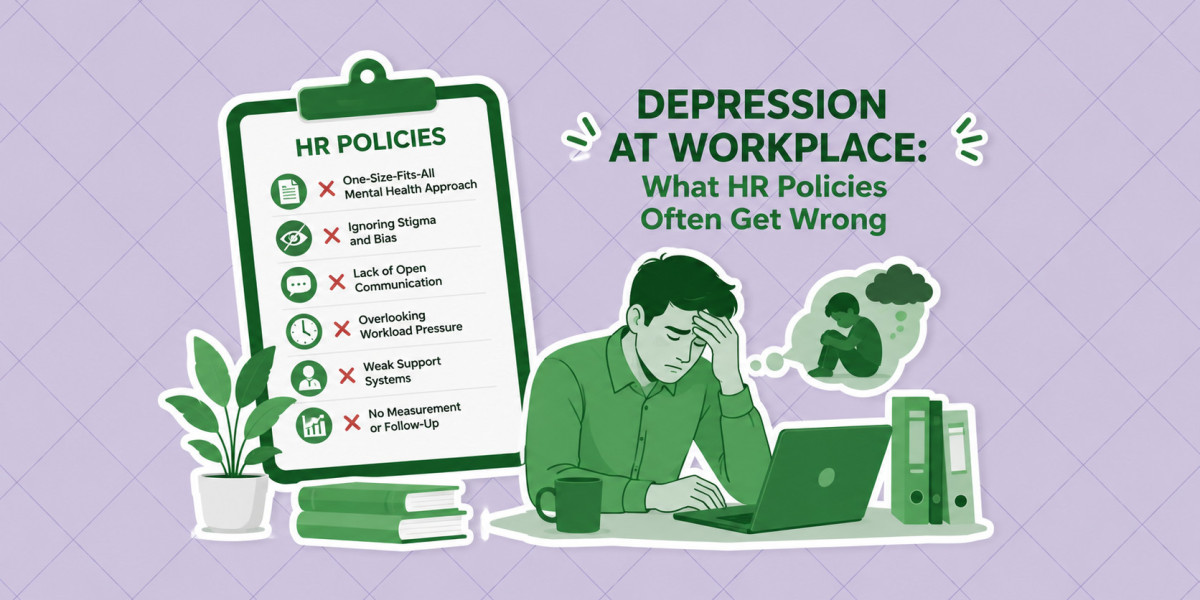

When a colleague seems to be struggling with Depression at Workplace, most people genuinely want to help but aren't sure what that actually looks like in practice. This guide focuses specifically on what colleagues, not managers or HR, can practically do when they suspect a coworker is dealing with something more than ordinary stress.
Why Colleague-Level Support Matters
Colleagues Often See Things Managers Don't
Given how much time colleagues spend working alongside one another day to day, peers are frequently the first to notice subtle changes a quieter presence in meetings, a shift in how someone talks about their work well before a manager, who typically has less frequent, less informal contact, picks up on the same pattern.
Peer Support Feels Less Loaded
A colleague checking in often feels less formal and less risky than a conversation with a manager, given the reduced power dynamic, connecting directly to the broader value of genuine Peer to Peer Support in workplace relationships.
What to Actually Say
Start With What You've Noticed, Not a Diagnosis
Something as simple as "hey, you've seemed a bit off lately, I just wanted to check in" opens a door without pressuring your colleague to explain or defend themselves.
Ask, Then Actually Listen
Resist the urge to immediately offer solutions or reassurance. Often the most helpful thing you can do is simply listen without rushing to fix anything.
Avoid Minimising Language
Phrases like "everyone feels like that sometimes" or "just try to think positive" can unintentionally make someone feel dismissed, even when meant kindly.
What to Do If They Open Up
Take What They Share Seriously
If a colleague shares something significant persistent low mood, feeling overwhelmed, hopelessness resist downplaying it, even if it feels uncomfortable to sit with.
Gently Point Toward Support, Without Pushing
Mentioning that the organisation has an employee assistance programme, or that HR has resources, gives them a concrete next step without forcing them to act on it immediately.
Respect Their Pace
Some people aren't ready to seek formal help the moment they open up to a colleague, and that's okay your role isn't to fix the situation on the spot, but to be a genuine, non-judgmental presence.
What Not to Do
Don't Diagnose or Label
Saying "I think you're depressed" places a label on someone's experience that isn't yours to assign, and can feel presumptuous even when well-intentioned.
Don't Gossip, Even With Good Intentions
Discussing a colleague's struggles with others, even out of concern, breaches their trust and can spread beyond your control in ways that make things worse.
Don't Take on More Than You Can Sustain
You're not their therapist, and it's okay to have limits. If a colleague's struggles feel like more than you can support alone, gently encouraging professional help is appropriate rather than trying to carry the full weight yourself.
Recognising When It's Serious Enough to Escalate
If a colleague expresses any thoughts of self-harm or says they don't want to be alive, this always warrants immediate escalation to a trusted manager, HR, or emergency services this is not a moment for maintaining confidentiality alone, regardless of what they've asked of you.
Building This Skill More Broadly
Organisations that invest in broad Mental Health First Aid training, extending beyond managers to the general workforce, give more employees exactly this kind of practical guidance, turning good intentions into genuinely useful action.
Conclusion
Supporting a colleague experiencing Depression at Workplace doesn't require clinical expertise — it requires genuine attention, a willingness to ask and listen, and knowing when to point someone toward further help. Colleagues who understand these simple, practical steps can make a real, meaningful difference for someone who might otherwise be struggling quietly and alone.
Ubicación del Autor
Chennai, Tamilnadu, India