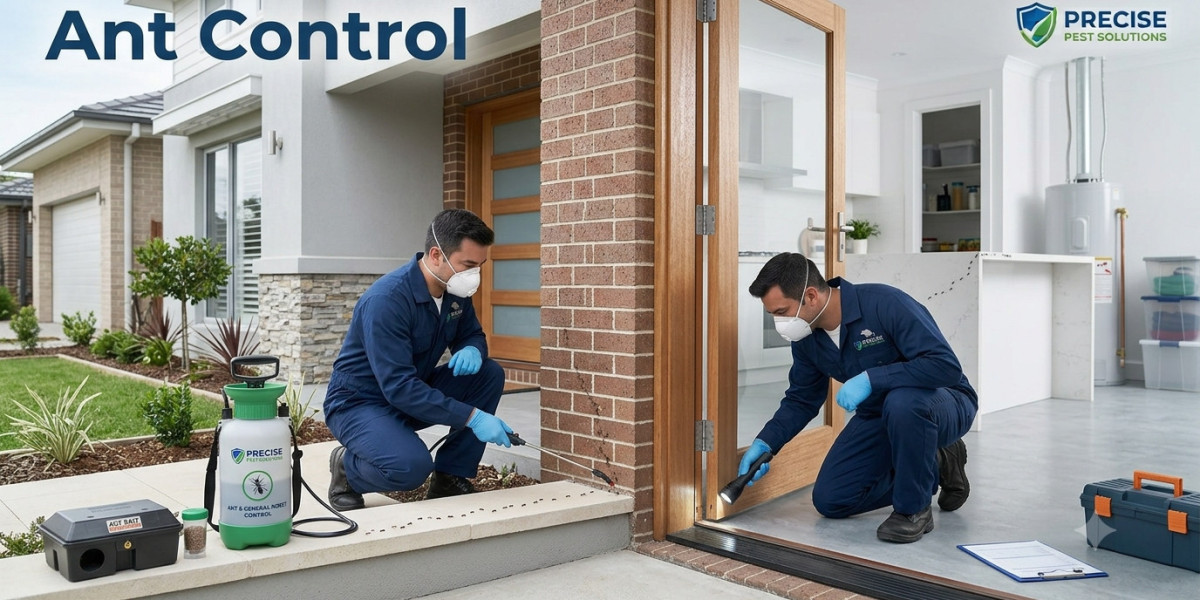

Ants may seem harmless when only a few appear indoors, but a small trail can sometimes indicate a much larger colony nearby. Homeowners looking for Ant Infestations services in Illinois often discover that effective ant management involves more than eliminating visible insects. Ants can enter through tiny openings while searching for food, water, and shelter. By combining good sanitation, moisture control, structural maintenance, and early detection, homeowners can make their properties less attractive to ants and reduce the risk of recurring infestations.
Why Ants Enter Homes
Ants are constantly searching for resources that support their colonies. During warmer weather, they may become particularly active around kitchens, gardens, patios, foundations, and other areas where food and moisture are available.
Common factors that attract ants include:
Food crumbs and spills
Sugary foods and beverages
Pet food
Leaking pipes and faucets
Standing water
Overripe fruit
Unsealed garbage
Overgrown vegetation near the house
Once worker ants discover a reliable food or water source, they can leave chemical trails that guide other members of the colony to the same location. This is why a few ants can quickly turn into a noticeable trail.
Keep Your Kitchen Clean
The kitchen is one of the most common areas for indoor ant activity because it provides easy access to food and water.
Clean countertops, tables, floors, and other surfaces regularly. Pay special attention to sticky spills, crumbs, grease, and food residue. Even small amounts of sugar or food particles can attract foraging ants.
Clean appliances regularly, particularly underneath refrigerators, stoves, microwaves, and other equipment where crumbs can accumulate. Do not leave dirty dishes in the sink for long periods, especially overnight.
Maintaining a clean kitchen removes many of the food sources that encourage ants to remain indoors.
Store Food Properly
Open food packages can provide ants with an easy source of nourishment. Store sugar, cereal, flour, snacks, pet food, and other pantry products in tightly sealed containers.
Keep fruit in appropriate storage areas and avoid leaving cut or overripe fruit exposed on countertops. Clean up spilled drinks immediately and make sure food containers are properly closed.
Pet food should also be managed carefully. If your pets eat indoors, clean their feeding areas regularly and avoid leaving uneaten food available for extended periods.
Manage Household Garbage
Garbage can attract ants because it may contain food residues and organic material. Use trash cans with secure lids and empty them regularly.
Clean the inside of garbage containers if food or liquid accumulates. Outdoor trash bins should also be maintained and positioned away from doors and windows when practical.
Proper waste management is an important part of overall ant prevention and can help reduce other household pest problems as well.
Eliminate Moisture Sources
Some ant species are attracted to damp environments, making moisture control an important part of ant management.
Check your home for:
Leaking faucets
Damaged pipes
Condensation
Damp basements
Poor drainage
Standing water
Leaking appliances
Repair plumbing problems promptly and improve ventilation in areas where excessive moisture occurs.
Inspect areas underneath sinks, around bathrooms, near washing machines, and around water heaters. A dry and well-maintained environment can make your home less appealing to moisture-seeking ants.
Seal Breaks and Entry Points
Ants can enter through extremely small openings. Inspect your home's exterior for breaks and gaps that may provide access.
Pay attention to areas around:
Doors and windows
Foundation breaks
Utility lines
Plumbing pipes
Vents
Exterior walls
Baseboards
Garage entrances
Seal suitable openings with appropriate materials. Check door and window screens for damage and make sure exterior doors close securely.
Reducing potential entry points can help prevent ants from establishing regular routes into your home.
Maintain Your Yard
Outdoor landscaping can influence indoor ant activity. Ant colonies may establish themselves near foundations, patios, walkways, trees, gardens, or other protected areas.
Trim shrubs, bushes, and tree branches so they do not remain in direct contact with your home's exterior. Remove piles of leaves, branches, and other organic debris from around the foundation.
Be careful with mulch because some types of landscaping material can provide favorable shelter for ants. Maintain appropriate space between landscaping features and exterior walls where possible.
Watch for Ant Trails
One of the easiest ways to identify ant activity is to look for organized trails. Worker ants often follow established routes between their nest and a food or water source.
If you notice an ant trail, follow it carefully to determine where the ants are entering and what may be attracting them. Look around windows, doors, baseboards, plumbing openings, and breaks.
Simply killing visible worker ants may not solve the underlying problem. Other ants can continue using the same trail if the colony remains active.
Identify the Type of Ant
Not every ant species behaves in exactly the same way. Different species may prefer different environments and food sources, and some may nest indoors while others primarily nest outside.
Common household ants can include carpenter ants, odorous house ants, pavement ants, and other species. Correct identification can help determine the most appropriate control strategy.
Carpenter ants, for example, may be associated with damp or damaged wood, while other species may establish nests in soil, wall voids, or around foundations.
If you are unsure which species you are dealing with, a professional inspection can help.
Reduce Indoor Clutter
Clutter can provide ants and other pests with additional hiding places. Keep basements, garages, attics, and storage areas organized.
Avoid storing unnecessary cardboard, paper products, and other materials directly against walls or on damp floors. Regularly inspect storage spaces for signs of pest activity.
An organized home also makes it easier to locate entry points and identify developing infestations before they become more difficult to control.
Be Careful With DIY Ant Treatments
Homeowners often turn to sprays, baits, and other products when they see ants. While some products can help with limited activity, treating only visible ants may not address the colony.
Using excessive amounts of insecticide can also be counterproductive. Always follow product labels and safety directions, particularly when children or pets are present.
Ant baits work differently from contact sprays because foraging ants may carry bait back toward the colony. However, choosing and placing products appropriately is important, and persistent infestations may require professional assistance.
Consider Professional Ant Control
When ants continue appearing despite cleaning and preventive measures, there may be an active colony on or near the property.
Professional Ant Infestations services in Illinois can help identify the species, locate potential nesting areas, determine how ants are entering the property, and develop an appropriate treatment plan.
Professional pest management may include inspection, targeted treatment, monitoring, exclusion recommendations, and preventive measures. Addressing the colony and conditions that support it can provide a more effective long-term solution than repeatedly treating individual ants.
Prevent Ants From Returning
After an infestation has been treated, prevention remains important. Continue practicing good sanitation and inspect your property regularly.
A simple ant-prevention routine can include:
Cleaning food spills immediately
Storing food in sealed containers
Emptying garbage regularly
Fixing plumbing leaks
Maintaining dry areas
Sealing breaks and gaps
Trimming vegetation
Removing outdoor debris
Monitoring common entry points
These habits can reduce the resources ants need to establish colonies around your home.
When Should You Contact a Professional?
A few ants may occasionally enter a property, particularly during warmer months. However, repeated trails, large numbers of ants, or ants emerging from walls and structural areas can indicate a more significant problem.
Professional help is especially useful when:
Ant activity continues for several weeks
Multiple rooms are affected
Ants appear from wall voids
Carpenter ants are suspected
DIY treatments have not worked
You cannot locate the colony
The infestation keeps returning
Early professional intervention can help prevent an ant problem from becoming more extensive.
Final Thoughts
Keeping your home safe from ant infestations requires a combination of prevention, cleanliness, moisture management, and regular property maintenance. Eliminating food and water sources can make your home less attractive, while sealing breaks and maintaining landscaping can reduce opportunities for ants to enter.
If you notice persistent trails or recurring activity, do not focus only on the ants you can see. The colony may be located outside, beneath structures, inside wall voids, or in another concealed location. Professional Ant Infestations services in Illinois can help identify the underlying cause and provide a targeted approach to managing the problem.
With consistent preventive habits and timely pest control, homeowners can significantly reduce the risk of ant infestations and maintain a cleaner, more comfortable, and pest-free living environment.
Ubicación del Autor
3954 Port DR, Hanover Park, IL 60133