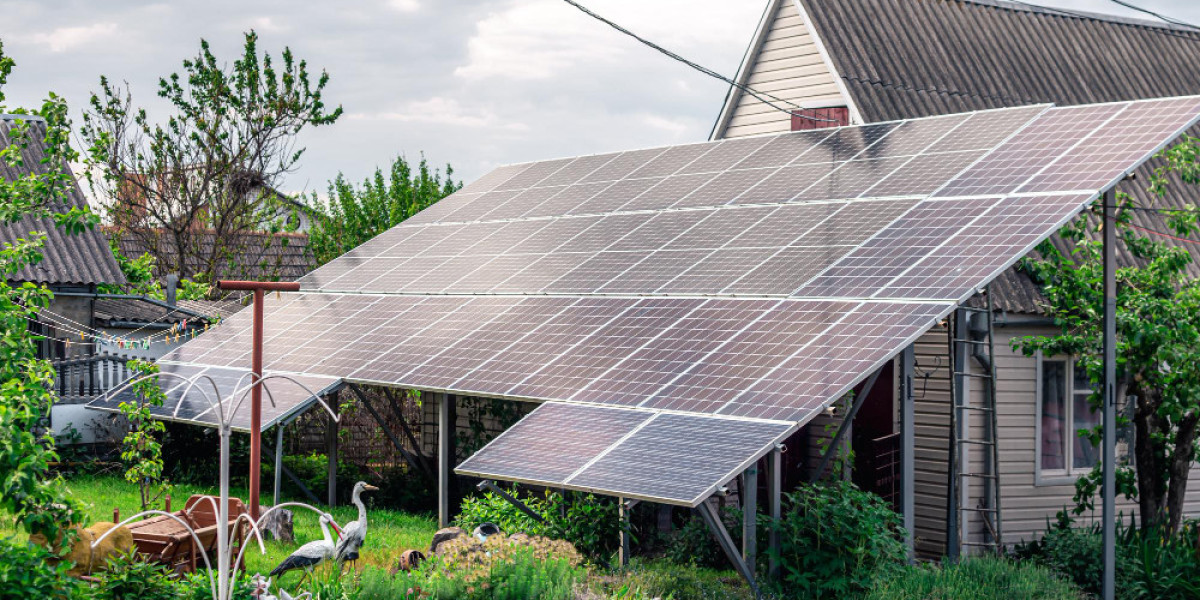

Solar power has become an increasingly practical option for Victorian households looking to make better use of their homes and energy. Installing a solar system is a long-term decision, so it is worth looking beyond the panels themselves. Your home's energy usage, roof condition, system size, local conditions, and future electricity needs can all influence how well your installation performs.
When considering Residential Solar Panels Victoria, homeowners should focus on choosing a system that suits their property rather than simply selecting the largest or most powerful option available. A well-planned installation can support everyday electricity needs, improve energy independence, and make renewable energy a practical part of your household routine.
Understand Your Household Energy Usage
Before installation, take some time to understand how your household uses electricity. Look at when major appliances operate and whether your energy consumption is higher during the morning, afternoon, or evening. Appliances such as air conditioners, electric hot water systems, pool pumps, washing machines, and electric vehicle chargers can significantly affect overall demand.
Understanding these patterns helps determine the type and size of solar system that may be appropriate for your home. It also allows you to think about future changes, such as purchasing an electric vehicle or switching from gas appliances to electric alternatives.
Assess Your Roof Before Installation
Your roof plays an important role in solar performance. Its orientation, available space, pitch, structural condition, and exposure to sunlight should all be assessed before installation. Areas affected by nearby buildings, trees, chimneys, or other structures may receive shade during parts of the day.
It is also important to consider the age and condition of the roof. If repairs or major maintenance are likely to be required soon, addressing those issues before installing panels can prevent unnecessary complications later.
Consider Victoria's Weather Conditions
Victoria experiences a variety of weather conditions throughout the year, including strong sunlight, rain, wind, and periods of cooler temperatures. A suitable solar system should be selected with local environmental conditions in mind.
Quality equipment and professional installation can help ensure that panels and supporting components are securely installed and capable of operating reliably through changing weather. Regular maintenance can also help keep the system performing effectively over time.
Choose the Right System Size
Bigger is not always better when it comes to solar. The ideal system should reflect your household's electricity consumption, available roof space, daytime energy usage, and future requirements.
Installing a system that is too small may leave you relying heavily on grid electricity, while an unnecessarily large system may not align with your household's actual energy needs. Reviewing recent electricity usage is a useful starting point when determining the appropriate system capacity.
Think About Battery Storage
Solar panels generate electricity during daylight hours, while many households use more electricity in the evening. Battery storage can help address this difference by storing surplus solar energy for later use.
If you are considering a battery, think about your evening electricity consumption and your long-term energy goals. Battery technology continues to develop, so homeowners should consider factors such as usable capacity, expected lifespan, efficiency, safety features, and compatibility with the solar system.
Check Equipment Quality and Compatibility
Solar panels are only one part of a complete solar energy system. Inverters, mounting equipment, monitoring technology, wiring, and optional battery storage all contribute to overall performance.
Look for equipment with suitable specifications, established reliability, appropriate warranties, and compatibility between system components. A balanced system can provide more dependable operation than choosing individual components without considering how they work together.
Prioritise Professional Installation
Professional installation is essential for safety, performance, and long-term reliability. The installation process should account for roof structure, electrical requirements, panel positioning, cable management, weather exposure, and applicable Australian standards.
A properly installed system can also make future servicing and maintenance easier. Before proceeding, homeowners should understand what installation work is included and what documentation, warranties, and system information they will receive after completion.
Consider Monitoring and Future Maintenance
Modern solar systems can provide monitoring information that helps homeowners understand electricity generation and identify unusual changes in performance. Monitoring can make it easier to notice potential issues before they become larger problems.
Solar panels generally require limited routine maintenance, but keeping the panels reasonably clean and checking for visible damage can support ongoing performance. Professional inspections may also be useful when required.
Make an Informed Long-Term Decision
Installing solar is not simply about placing panels on a roof. It involves understanding your household's energy habits, property characteristics, equipment options, installation requirements, and future electricity needs.
Taking the time to assess these factors before installation can help Victorian homeowners select a system that fits their lifestyle and property. With careful planning and professional installation, solar energy can become a reliable part of everyday household electricity use while supporting a cleaner energy future.
Ubicación del Autor
Usa