
One number on the specification does most of the work
Canadian yards produce their heaviest cleanup between late summer and leaf fall, and a good deal of it is branches. A wood chipper rated at three inches will take most of what a storm brings down, and the number is a hard limit rather than a suggestion.
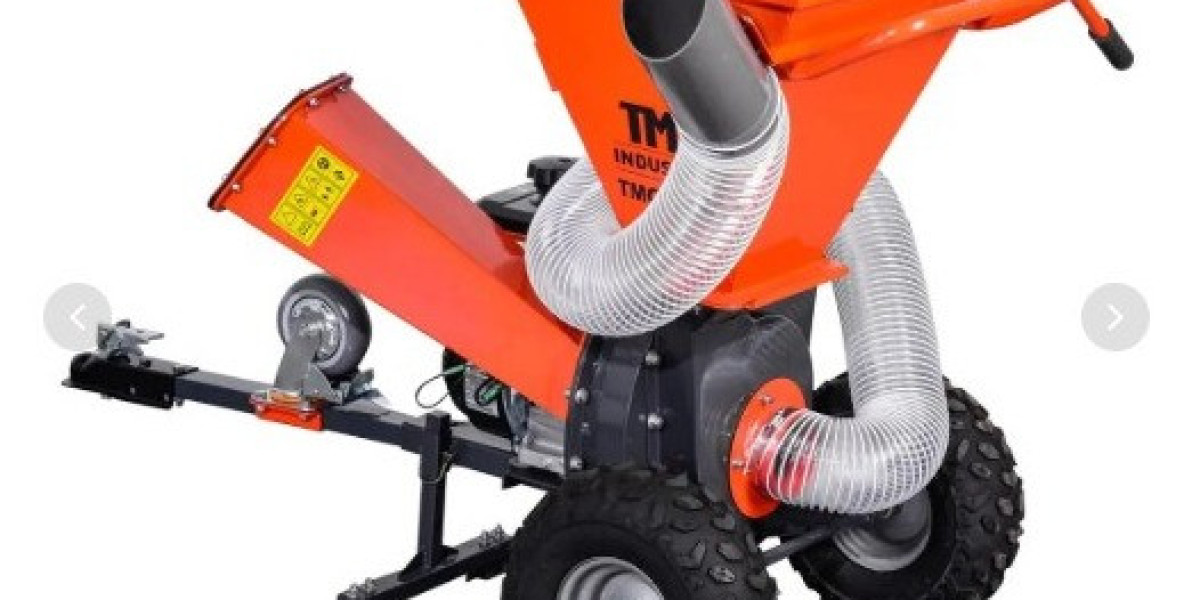
The rating on a wood chipper is not chosen for marketing reasons. The figure is the smallest of three separate limits, and whichever of them is reached first is the one that decides what the machine will accept without complaint.
What size branches can a wood chipper handle comes down to three things
The first is simply the opening. A branch has to physically enter the chute and reach the cutting disc, and anything wider than that gap is stopped before the machine has a chance to demonstrate whether it could cut it.
The second is torque. Each knife takes a slice of a certain thickness, and a thicker branch means a larger slice, which demands more force at the disc than a small engine can produce continuously.
The flywheel is the third limit and the one nobody sees
The cutting disc in a wood chipper is heavy on purpose. It stores rotational energy between cuts and spends it in the instant a knife meets wood, which is how a seven horsepower engine produces a cut that would otherwise need considerably more power.
That stored energy is finite. Feeding a 3 inch wood chipper at its limit drains the flywheel faster than the engine refills it, the disc slows, and the next cut is worse than the last until the machine stalls with a branch still in the chute.
The branch in your hand is thicker than the branch you measured
Cutting the fork off first solves it. A saw cut that takes ten seconds removes the section the machine cannot take and turns a jam into an ordinary feed, which is the habit that separates an afternoon of chipping from an afternoon of clearing blockages.
What comes out is worth more than getting rid of it
Fresh chip is coarse and interlocking, which makes it the right material for wood chips for garden paths, where it packs down into a surface that drains and stays walkable. It suppresses growth underneath and is replaced by adding to the top rather than by removing it.
Material divides by what the machine can do with it
•Woody up to the limit: chipped by the knives
•Green and leafy: shredded, not chipped
•Over the limit: cut it down first, always
Where the rating holds and where it slips
•Strength: takes almost all storm damage from a yard
•Strength: turns brush into a usable surface material
•Limit: forks and collars exceed the stated diameter
•Limit: wet green wood reaches the limit sooner
Weighed against hauling brush away, chipping costs an afternoon and returns material the property can use. A homeowner near Peterborough cuts every limb to length and trims the forks before starting, and has not cleared a blockage in two seasons.
Yard waste is increasingly kept on the property
Municipal collection has become less convenient and more expensive in much of Canada, which has moved homeowners toward processing brush where it falls and using the result, rather than bagging it and putting it at the curb.
That change in how yards are managed is why the garden equipment TMG Industrial supplies is built to reduce material into something worth keeping rather than simply into something smaller.
Ubicación del Autor
Jaipur