
Sustainability isn't a niche selling point anymore — it's an expectation, and kraft boxes have become one of the easiest ways for brands to deliver on it without sacrificing presentation. Made from natural, recyclable paperboard, kraft boxes give products a warm, rustic look while checking the eco-conscious box that more and more customers care about. This guide covers what kraft boxes are, why brands are switching to them, and how to choose the right style for your product.
What Are Kraft Boxes?
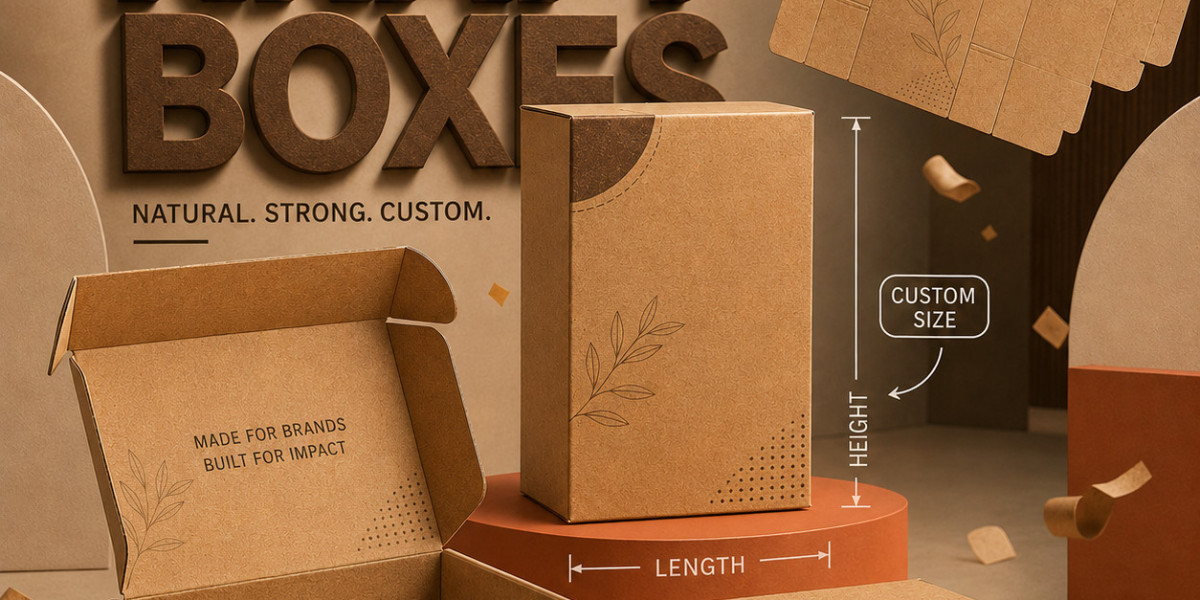
Kraft boxes are made from kraft paperboard, a paper produced using the kraft pulping process, which results in a naturally strong, fibrous material with a distinctive brown, unbleached look. The material can also be bleached white or coated for a smoother printable surface, but its core appeal remains the same: strength, recyclability, and a natural aesthetic that signals sustainability at a glance.
Kraft boxes are widely used for:
- Retail and e-commerce — apparel, accessories, small goods
- Food and beverage — bakery items, snacks, takeaway packaging
- Gifting — favor boxes, seasonal gift sets, subscription boxes
- Cosmetics and personal care — soap, candles, skincare bundles
Because kraft material takes printing and embossing well, brands can dress it up with foil stamping or minimal branding, or lean into its raw, unbleached look for a more artisanal feel.
Key Benefits of Kraft Boxes
Eco-Friendly and Recyclable
Kraft paperboard is biodegradable and widely recyclable, making it a strong choice for brands positioning themselves around sustainability. It's also often sourced from recycled fibers, which appeals to environmentally conscious buyers.
Durability
Despite its lightweight feel, kraft material has good tensile strength, holding up well to folding, shipping, and repeated handling without the box weakening or tearing easily.
Natural, On-Trend Aesthetic
The raw brown finish of kraft boxes has become a design trend in its own right, associated with minimalism, craftsmanship, and eco-conscious branding — it works particularly well for boutique and handmade product lines.
Cost-Effective
Kraft paperboard is generally more affordable than rigid or specialty stock, making it a practical option for brands that need custom packaging at scale without inflating unit costs.
Types of Kraft Boxes
Folding Kraft Boxes
The most common style — flat-packed for shipping and assembled on demand, ideal for retail products, small goods, and mailers.
Kraft Mailer Boxes
Combines kraft material with a mailer-style structure, often used for direct-to-consumer shipping where the box doubles as both protective packaging and unboxing presentation.
Round Kraft Boxes
For brands wanting a distinctive shape beyond the standard rectangular format, Round Kraft Boxes offer a cylindrical kraft packaging option well suited to products like candles, bath bombs, cookies, and gift sets where a circular silhouette adds shelf standout. These boxes pair the same natural, recyclable material with a shape that photographs well for e-commerce listings and unboxing content, which makes them a popular pick for gifting and subscription-style products. The round format also tends to use less material per unit than a comparably sized rectangular box, which can be a small but meaningful cost advantage at higher order volumes.
Kraft Gift Boxes
Designed for presentation, often featuring ribbon closures, window cutouts, or magnetic lids layered on top of the kraft base material for a more premium gifting feel.
Customization Options to Consider
When ordering custom kraft boxes, a few decisions shape both look and function:
- Finish — natural unbleached, bleached white, or coated for smoother printing
- Print method — offset printing, foil stamping, or embossing for logo and branding
- Structure — folding carton, mailer style, or round format depending on product shape
- Window cutouts — useful for food or retail products where visibility helps sell the product
- Coating — matte or soft-touch lamination if extra durability or a premium feel is needed
Common Mistakes to Avoid
- Assuming kraft means low-quality — well-printed kraft packaging can look just as premium as glossy stock; it's a design choice, not a downgrade.
- Ignoring food-safety requirements — food-grade coatings are necessary for kraft boxes holding edible products directly.
- Overlooking print contrast — dark ink can get lost against the natural brown base, so color choices need testing before a full print run.
- Underestimating MOQs on custom shapes — round or die-cut kraft boxes often carry higher minimum order quantities than standard folding cartons.
Frequently Asked Questions
Are kraft boxes recyclable?
Yes, kraft paperboard is biodegradable and widely recyclable, which is a major reason brands choose it for eco-conscious packaging.
Can kraft boxes be custom printed?
Kraft boxes take printing well, including offset printing, foil stamping, and embossing, allowing brands to add logos and designs directly onto the natural or bleached surface.
What products are kraft boxes best suited for?
Kraft boxes are commonly used for retail goods, food and bakery items, gift sets, and cosmetics, thanks to their combination of durability and natural aesthetic appeal.
What's the difference between standard and round kraft boxes?
Standard kraft boxes use a rectangular folding-carton structure, while round kraft boxes offer a cylindrical shape often chosen for candles, bath products, and gift-style packaging.
Is kraft packaging more expensive than plastic packaging?
A kraft box is made from paperboard produced through the kraft pulping process, and it's generally cost-competitive with or cheaper than specialty rigid stock, making it accessible for brands at various order volumes.
Choosing the Right Kraft Box for Your Product
The right kraft box depends on your product's shape, how it will be shipped, and how much presentation matters at unboxing. Standard folding cartons work well for most retail and food applications, while round kraft boxes suit products that benefit from a distinctive silhouette, and gift-style kraft boxes are worth the upgrade when unboxing experience is part of the brand story.
Print contrast, coating, and structure are worth mapping out early, since they affect both durability and how well your branding reads against the natural kraft base.
Ready to package your product in kraft? Get a custom quote from DODO Packaging AU and specify your structure, size, and finish requirements to get started.