
Motorized valves can be integrated into automated systems and operated according to process requirements. This makes them useful across manufacturing, water treatment, HVAC, chemical processing, food processing, and many other industrial applications.
What Is a Motorized Valve
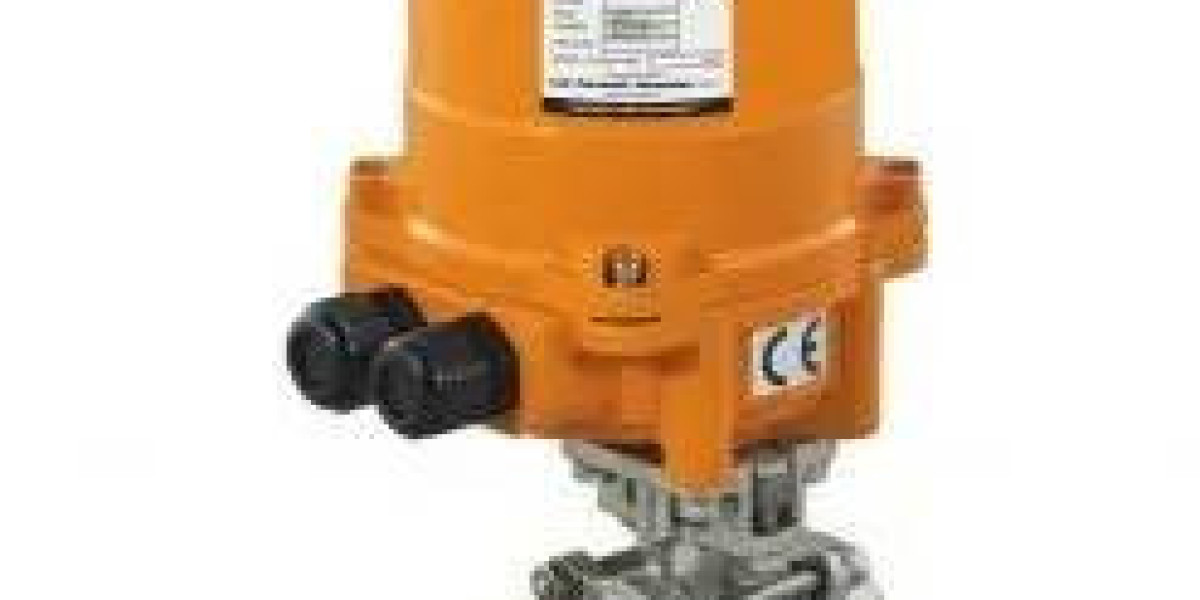
A motorized valve combines a valve with an electric motor or actuator that controls the opening and closing mechanism. Instead of requiring an operator to manually turn a handle, the valve can be operated through an electrical control signal.
Depending on the design and application, a motorized valve can provide simple open-and-close operation or more controlled flow regulation. This flexibility makes it suitable for systems where consistent and repeatable flow management is required.
Improving Industrial Automation
One of the main advantages of motorized valves is their ability to support automated processes. Once connected to a suitable control system, they can operate according to programmed instructions or signals from sensors and controllers.
Automation reduces the need for frequent manual intervention and allows operators to manage valves from centralized control systems. This can be particularly useful when valves are installed in difficult-to-access locations or when several valves need to operate according to a coordinated process.
Supporting Consistent Flow Control
Consistent flow management is essential in many industrial processes. Manual operation can sometimes result in variations because of differences in timing or valve positioning.
Motorized valves provide repeatable operation by using controlled actuator movement. When correctly selected and installed, they can help maintain predictable flow conditions and support stable production processes.
For applications where precise control is important, the actuator and valve should be properly matched to the required operating conditions.
Reducing Manual Maintenance Effort
Motorized valves can also reduce the amount of routine manual operation required from workers. Operators do not necessarily need to travel to every valve location to change its position.
This can improve convenience and may help reduce operational interruptions. However, motorized valves still require appropriate inspection and maintenance. Electrical connections, actuator components, valve seals, and mechanical parts should be checked according to the application and operating environment.
Important factors to consider when selecting a motorized valve include:
Valve size and connection type
Required pressure and temperature range
Type of media being controlled
Actuator torque requirements
Open-close or regulating operation
Electrical supply and control signal
Installation environment
Maintenance and service requirements
Improving Operational Efficiency
When properly integrated into an industrial control system, motorized valves can help streamline repetitive flow-control tasks. Automated operation can make it easier to coordinate different stages of a production process and respond to changing operating conditions.
For example, a valve may be programmed to open when a particular process stage begins and close when the required operation is completed. Such automation can help maintain process consistency while reducing unnecessary manual involvement.
Applications Across Industries
Motorized valves are used in many industries because different processes require controlled movement of fluids or gases. They can be found in water treatment systems, HVAC installations, industrial manufacturing equipment, irrigation systems, process plants, and utility networks.
The correct valve design depends on the application. Factors such as media characteristics, pressure, temperature, flow rate, valve material, and operating frequency should be considered before installation.
Conclusion
Motorized valves play an important role in modern industrial automation by providing controlled and repeatable flow management. Their ability to operate through electrical signals makes them useful for systems where automation, accessibility, and consistent operation are important.
Selecting the right valve and actuator combination is essential for achieving reliable performance. Cair Euromatic Automation Pvt. Ltd. offers motorized valve solutions for different industrial flow-control requirements. With appropriate selection, installation, and maintenance, motorized valves can contribute to smoother and more efficient industrial operations.
Ubicación del Autor
Ahmedabad , Gujarat , India