
Choosing a brain health clinic is an important decision, particularly when services involve specialized technologies such as neurofeedback, qEEG assessment, neurostimulation, or other forms of neurotherapy.
With growing interest in brain wellness, consumers have more options than ever. That makes it especially important to evaluate providers carefully. Rather than choosing a clinic based solely on promotional claims, prospective clients should consider qualifications, assessment methods, personalization, transparency, and the overall approach to care.
Start With the Provider's Qualifications
The first step is understanding who will provide the service.
Look for information about professional education, certifications, licensing where applicable, clinical experience, and areas of specialization. A multidisciplinary team can bring different perspectives to complex brain health concerns.
For example, the team at Bhakti Brain Health Clinic includes professionals with backgrounds in psychology, psychophysiology, neurofeedback, psychology research, and related fields. Its published team information identifies Fran Bieganek as a licensed psychologist and board-certified neurofeedback professional, while other team members have backgrounds in psychology and neurotherapy.
Consumers should perform similar due diligence with any provider they consider.
Ask How Assessments Are Performed
A reputable clinic should be able to explain how it evaluates clients before recommending services.
Depending on the provider, this may include an intake interview, review of medical or psychological history, questionnaires, behavioral information, or technology-based assessments.
Quantitative EEG is one example of a technology that may be used to examine brain activity. It can provide measurable information, but it should be interpreted appropriately.
Bhakti Brain Health Clinic specifically explains that qEEG provides quantitative information about brain activity but should not be treated as a stand-alone diagnosis.
This kind of transparency is valuable because it helps consumers understand both the capabilities and limitations of an assessment.
Look for Individualized Treatment Planning
A person's brain health goals are highly individual.
Someone interested in improving concentration may need a different approach from someone managing sleep difficulties or recovering from a neurological injury. Consequently, clinics should be able to explain how their programs are adapted to individual needs.
Bhakti Brain Health Clinic describes its services as personalized, stating that programs are designed around individual needs and goals.
When comparing providers, ask how personalization actually works. Does the clinic use assessment results to guide its recommendations? Is progress monitored? Can protocols be adjusted when circumstances change?
These questions are more meaningful than simply asking how many technologies a clinic has available.
Understand What Neurofeedback Involves
If a clinic offers neurofeedback, prospective clients should understand the basic process.
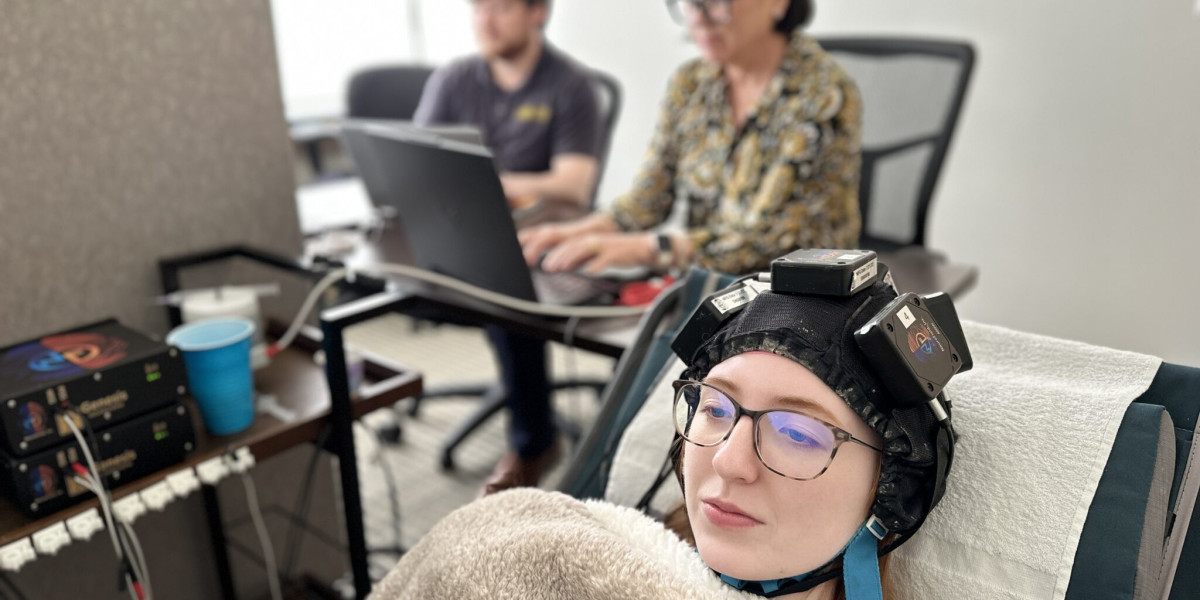
Neurofeedback generally involves measuring brain activity through sensors and providing real-time feedback. The goal is to help the individual practice regulating specific patterns of brain activity.
The process is typically non-invasive, but experiences can vary depending on the equipment and protocol.
A clinic should be able to explain what happens during sessions, how long appointments last, what type of feedback is provided, and how progress is evaluated.
Evaluate Communication and Transparency
Good communication is an important part of healthcare.
Before beginning treatment, consumers should be able to ask questions about costs, scheduling, expected commitment, possible benefits, limitations, and how the service interacts with existing care.
A clinic's willingness to discuss uncertainty can be just as important as its confidence in its services. Be cautious about guarantees, absolute promises, or claims that imply one intervention will work identically for everyone.
Brain health is complex, and individual responses vary.
Consider the Broader Philosophy of Care
Some people prefer a clinic that focuses narrowly on a specific technology. Others may value a more integrative model.
The bhakti wellness center mn approach provides an example of a clinic whose background includes broader integrative wellness work alongside its current brain health services. The organization's published history describes experience spanning integrative medicine, meditation, psychology, neurotherapy, and related areas.
The right approach depends on the individual's preferences and needs. The key is understanding what the clinic actually offers and how its philosophy translates into client care.
Ask About Measuring Progress
An effective program should have some way of determining whether it is meeting its objectives.
Depending on the service, progress might be discussed through symptom tracking, functional goals, follow-up assessments, behavioral observations, or other appropriate measures.
Consumers should ask what success looks like before beginning. This helps establish realistic expectations and creates a framework for evaluating the experience.
Choosing With Confidence
Selecting a brain health provider does not need to be complicated, but it should be thoughtful.
Start by reviewing qualifications. Ask about assessments. Understand how programs are personalized. Request clear explanations of the technology involved. Discuss costs and time commitments. Most importantly, choose a provider that communicates openly about both possibilities and limitations.
For people researching bhakti wellness center, these same principles can help guide an initial consultation and determine whether its services align with individual goals.
A strong healthcare decision is rarely based on one promotional statement. It comes from asking informed questions, reviewing credible information, and finding a professional relationship built around clear communication and individualized care.