
Modern life places constant demands on attention and mental energy. Work, technology, family responsibilities, social commitments, and information overload can make it difficult to maintain focus and recover mentally.
Although occasional distraction and stress are normal, persistent difficulties can affect productivity and quality of life. This has led many people to explore practical brain wellness strategies, ranging from lifestyle improvements to specialized services such as neurofeedback and other forms of neurotherapy.
The most useful approach is rarely a single technique. Instead, brain wellness can involve combining healthy daily habits with professional guidance when appropriate.
Start With the Basics
Before exploring specialized brain health services, it is worth examining the fundamentals.
Sleep is one of the most important foundations of cognitive performance. Consistent, adequate sleep supports attention, memory, emotional regulation, and recovery.
Physical activity is another key component. Regular movement supports overall cardiovascular health and can contribute to mental well-being.
Nutrition also matters. A balanced diet provides the energy and nutrients needed for normal physiological processes.
These habits may sound simple, but consistency is often more important than complexity.
Managing Stress More Effectively
Stress can influence how people think, sleep, and respond to everyday demands.
Short periods of stress are part of normal life. However, when stress becomes persistent, people may notice changes in concentration, irritability, sleep quality, or motivation.
Developing reliable stress-management strategies can help. These may include exercise, breathing exercises, meditation, time outdoors, social interaction, structured routines, or working with a qualified mental-health professional.
The most effective strategy is often the one that can realistically become part of everyday life.
Understanding Neurofeedback
For individuals who continue to experience difficulties with attention, regulation, or other aspects of brain function, neurofeedback may be an option worth discussing with a qualified provider.
Neurofeedback uses sensors to measure brain activity and provides real-time feedback during training. The objective is to help the brain practice regulating particular patterns.
Bhakti Brain Health Clinic describes neurofeedback as part of its non-invasive, personalized approach to brain and nervous-system training. Its services are designed around individual goals rather than a single standardized protocol.
Anyone considering this type of service should first discuss whether it is appropriate for their circumstances.
The Importance of Personalized Assessment
Focus problems can have many possible contributors.
Poor sleep, stress, environmental distractions, emotional difficulties, medication effects, neurological conditions, and other factors may influence attention. Consequently, simply labeling a person as "unfocused" does not explain why they are experiencing the problem.
A personalized assessment can help establish context.
Some brain health programs use qEEG technology to measure patterns of electrical brain activity. The resulting information can provide another data point for professional interpretation.
However, qEEG should not be treated as a stand-alone diagnosis. Bhakti Brain Health Clinic notes that qEEG information should be considered alongside personal history, symptoms, and other assessments.
This approach emphasizes a broader principle: technology can inform care, but context remains essential.
Exploring Specialized Brain Wellness Services
People researching brain wellness may encounter a wide range of services. These can include neurofeedback, audio-visual entrainment, photobiomodulation, biofeedback, and other approaches.
The appropriate choice depends on the individual's goals and circumstances.
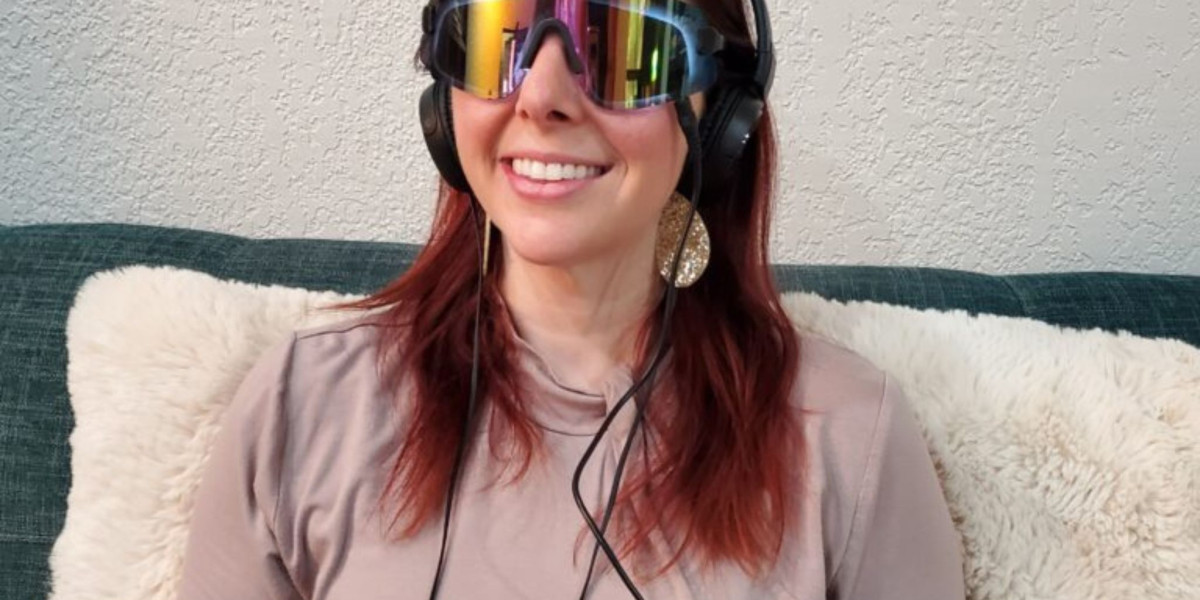
For example, Bhakti Brain Health Clinic describes audio-visual entrainment as a non-invasive approach using specific sound and light frequencies to support areas such as relaxation, focus, cognitive performance, and emotional well-being.
Consumers should look for clear explanations of what a technology does, what evidence supports its use, and how the provider determines whether it is suitable.
Combining Technology With Everyday Habits
Specialized brain wellness services should not necessarily replace healthy daily routines.
A person receiving neurotherapy can still benefit from maintaining consistent sleep, regular physical activity, nutritious meals, stress-management practices, and social connection.
In fact, thinking about brain wellness as a complete lifestyle can make the process more practical. Technology may provide one form of support, while daily habits create the environment in which people manage their overall well-being.
Setting Realistic Goals
Another important step is defining what improvement actually means.
"Better brain health" is broad. A more useful goal might be improving the ability to maintain attention during work, developing a more consistent sleep routine, reducing the impact of everyday stress, or improving cognitive stamina.
Clear goals make it easier to evaluate whether a strategy is helping.
They also create better conversations between clients and practitioners.
Finding the Right Support
For Minnesota residents exploring specialized brain wellness, bhakti wellness center mn can be one resource to investigate when researching personalized neurotherapy and related services.
As with any healthcare decision, prospective clients should review professional qualifications, understand the assessment process, ask about costs and time commitments, and discuss how the service fits alongside existing care.
The purpose of research is not simply to find the most sophisticated technology. It is to find an approach that makes sense for the individual's goals.
A Sustainable Approach to Brain Performance
Better focus and everyday mental performance rarely come from one dramatic change. They are more often supported by consistent habits, realistic expectations, and appropriate professional guidance.
Start with sleep, movement, nutrition, stress management, and healthy routines. If persistent concerns remain, consider discussing them with a qualified healthcare professional or specialized brain health provider.
Modern neurotherapy offers additional avenues for people interested in understanding and training aspects of brain function, but the foundation remains the same: informed decisions, individualized goals, and a long-term commitment to overall well-being.