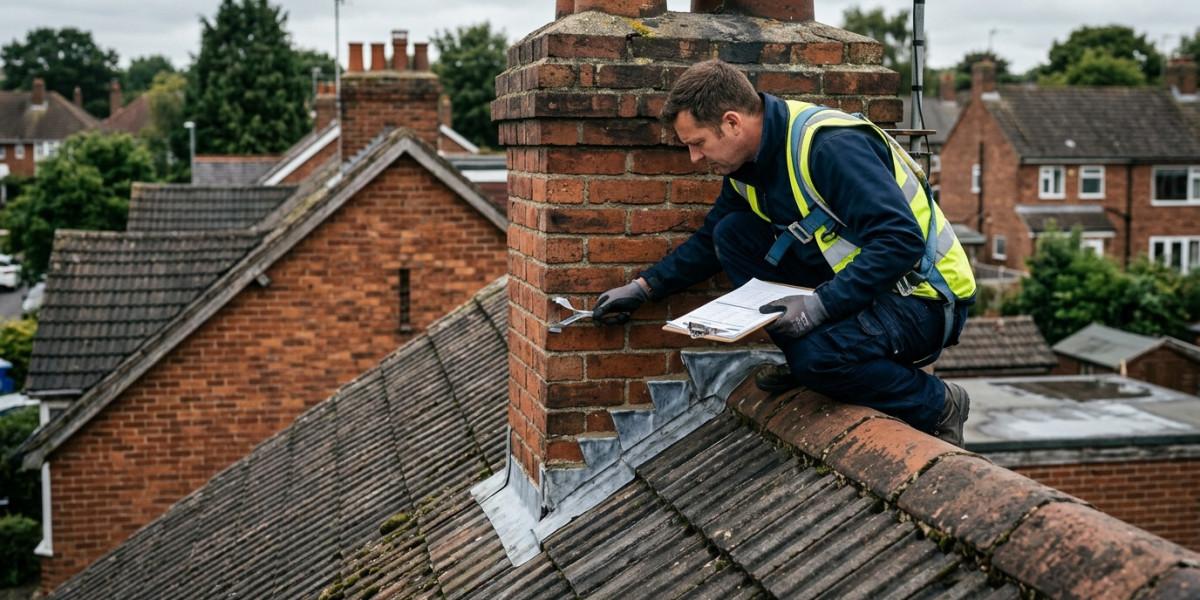

When building an extension, converting a garage, or undertaking a full structural renovation, one of the most critical decisions you will face is choosing between a flat roof and a pitched roof. Both systems serve distinct architectural purposes and bring unique advantages to UK properties.
To make an informed decision for your property, consulting experienced providers of Residential Roofing Services Cheshire can help you weigh structural requirements against your budget. Below is a detailed comparison of flat and pitched roofs across cost, longevity, design, and maintenance.
Understanding Flat Roofs
Despite their name, flat roofs are built with a subtle slope (usually 1 to 10 degrees) to allow rainwater to drain toward gutters.
Historically, flat roofs gained a bad reputation due to old felt-and-bitumen materials that damaged under UV exposure and cold UK winters. However, modern waterproofing technology has transformed flat roofing into a highly durable and stylish solution.
Modern Flat Roof Materials:
EPDM Rubber Membrane: A single-ply rubber sheet that offers high elasticity, UV stability, and seamless weather protection.
GRP Fibreglass: A tough, rigid surface layer without seams, ideal for roofs with heavy foot traffic or balconies.
Layered Felt Systems: Torch-on bitumen membranes that remain a cost-effective option for garage roofs and outbuildings.
Key Benefits of Flat Roofs:
Cost-Effective Installation: Requires fewer structural timbers, fewer materials, and less labor time than pitched roofs.
Space Maximisation: Ideal for modern kitchen extensions, providing maximum internal ceiling height without blocking light or views from upper floor windows.
Modern Aesthetic: Delivers a sleek, minimal architectural look, easily incorporating roof lanterns or skylights.
Understanding Pitched Roofs
Pitched roofs are the classic choice for UK residential architecture, featuring a slope of more than 10 degrees (and usually above 20 degrees). They rely on gravity to shed water, snow, and debris quickly into the drainage system.
Key Benefits of Pitched Roofs:
Exceptional Longevity: A well-built pitched roof covered in quality concrete, clay, or slate tiles can last anywhere from 40 to over 100 years.
Superior Weatherproofing: Steep slopes allow rainwater and snow to clear quickly, reducing the risk of pooling or standing water.
Extra Loft Space: Creates usable loft space suitable for storage or future attic conversions.
Traditional Appeal: Complements existing UK streetscapes and traditional home designs.
Flat Roof vs. Pitched Roof: Direct Comparison
| Feature | Flat Roof | Pitched Roof |
| Initial Cost | Lower (£1,500 – £4,500 for standard areas) | Higher (£4,000 – £10,000+) |
| Average Lifespan | 20 – 30+ years (EPDM/GRP) | 50 – 100+ years (Tile/Slate) |
| Maintenance | Regular clearing of leaves/debris required | Low maintenance; occasional tile checks |
| Internal Space | Maximises floor-to-ceiling room height | Provides loft storage/conversion space |
| Drainage Efficiency | Relies on minimal pitch; prone to pooling if blocked | High natural runoff due to steep slope |
Which Should You Choose?
Choose a Flat Roof if: You are building a modern ground-floor extension, converting a garage, working with a tight budget, or need to adhere to height restrictions near neighboring boundaries.
Choose a Pitched Roof if: You want a long-term investment that matches traditional architecture, need extra attic storage space, or want minimal long-term maintenance.
Both options offer distinct advantages depending on your building structure, aesthetic goals, and project budget.