
Pressure, temperature, fluid compatibility, connection type, and installation conditions should all be evaluated before selecting a valve. Understanding these factors can help users choose a solution that performs reliably under the intended operating conditions.
Understanding UPVC Ball Valve Operation
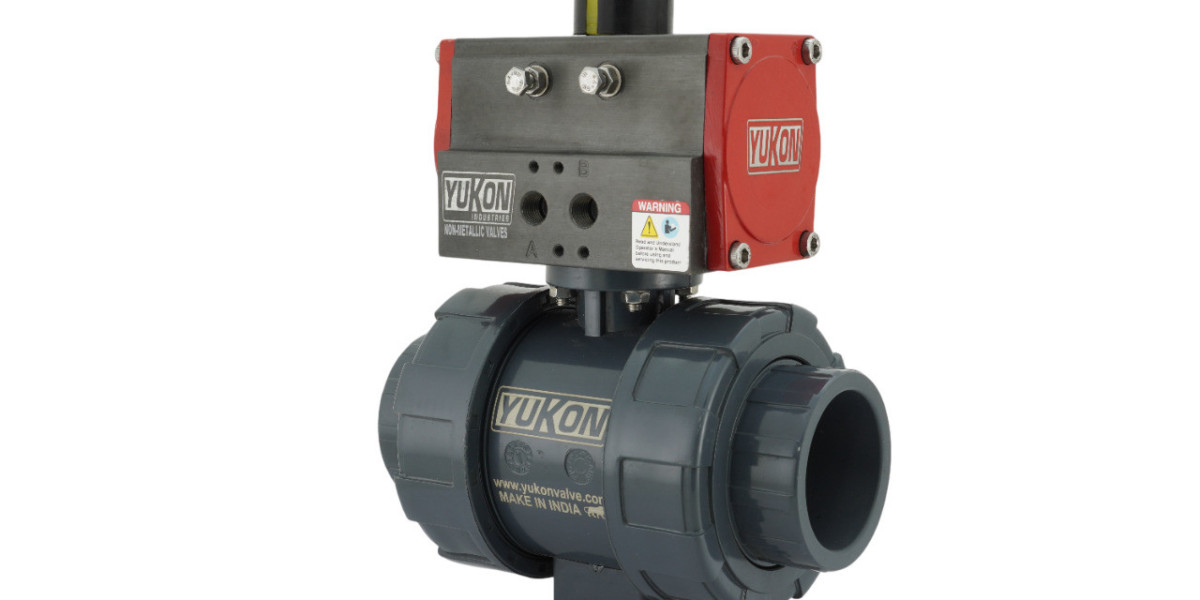
A UPVC ball valve uses a spherical ball with a central opening to control fluid movement. When the handle rotates the ball so that the opening aligns with the pipeline, fluid can pass through. Turning the ball approximately 90 degrees moves the opening away from the flow path and stops the flow.
This quarter-turn mechanism provides straightforward operation and makes the valve suitable for applications where quick isolation is required.
Why Pressure Rating Matters
Pressure is one of the most important factors when selecting a valve. Every valve has an operating pressure range that should not be exceeded during normal service.
The pressure requirement should be considered together with operating temperature because the performance of plastic piping components can be affected by elevated temperatures. Users should review the valve's specified pressure limits and select a configuration appropriate for the actual system conditions.
Using a valve outside its recommended operating range can lead to leakage, component damage, or reduced service life.
Consider Fluid Compatibility
UPVC is known for its resistance to corrosion and is used in many applications involving water and selected chemicals. However, not every chemical or fluid is automatically compatible with every UPVC valve configuration.
The characteristics and concentration of the medium should therefore be reviewed before selection. Seal materials are also important because the sealing components come into contact with the process medium.
For specialized chemical applications, compatibility information should be confirmed before installation.
Selecting the Correct Size
Valve size should correspond with the piping system and required flow conditions. A valve that is too small may restrict flow, while selecting an unnecessarily large valve may increase installation costs without providing a practical benefit.
The connection type should also match the existing piping and fittings. Threaded, socket, or other connection configurations may be available depending on the valve design.
Important factors to check include:
Operating pressure and temperature
Pipeline diameter
Fluid or chemical characteristics
Connection type
Required flow capacity
Seal and body material
Installation environment
Frequency of valve operation
Application Requirements
Different industries have different valve requirements. UPVC ball valves can be used in water distribution, irrigation, swimming pool systems, wastewater handling, chemical processing, and selected industrial applications.
For irrigation systems, lightweight construction and simple operation can be useful. In water treatment applications, corrosion resistance can be an important consideration. Chemical applications require careful evaluation of material compatibility.
The valve should always be selected according to the actual application rather than relying only on general product characteristics.
Installation and Maintenance
Correct installation can significantly influence valve performance. Connections should be made using compatible components, and excessive force should be avoided during installation.
Once installed, the valve should be inspected periodically for leakage, damaged components, difficult operation, or other visible problems. The handle should be operated without unnecessary force to avoid mechanical damage.
The surrounding piping should also be properly supported so that excessive loads are not transferred to the valve.
Choosing a Suitable Solution
When comparing UPVC ball valve options, users should consider both the valve specifications and the complete piping environment. Pressure, temperature, media compatibility, size, connections, and operating frequency should all be reviewed.
Yukon Industries provides valve solutions for industrial and piping applications where appropriate material selection and dependable flow management are important.
Conclusion
Selecting a UPVC ball valve based on pressure and application requirements can help support reliable piping system performance. Understanding operating conditions, fluid compatibility, valve size, connection requirements, and maintenance needs makes the selection process more effective.
With the right specifications and proper installation, UPVC ball valves can provide convenient and dependable flow isolation across a wide range of suitable water, irrigation, chemical, and industrial applications.