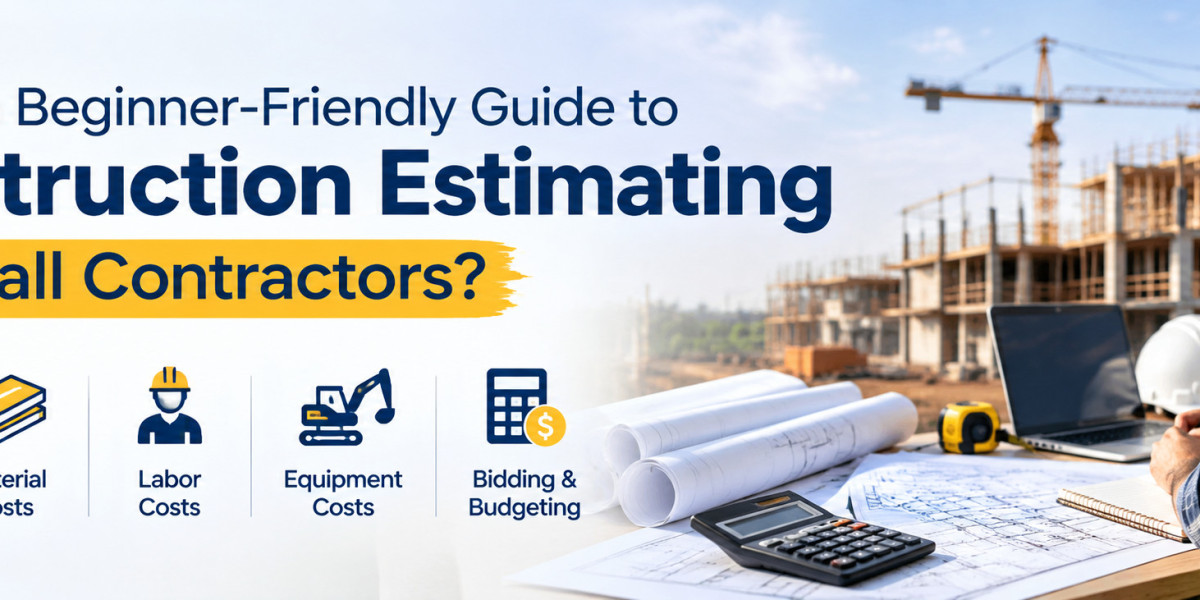

Starting a construction business is exciting. However, one of the biggest challenges for small contractors is preparing accurate project costs. Without proper estimates, contractors may underbid, lose profits, or miss opportunities. Therefore, understanding construction estimating is essential for long-term success.
For beginners, construction estimating is the process of calculating all costs related to a project before work begins. These costs include materials, labor, equipment, permits, subcontractors, and overhead expenses. Accurate estimates help contractors prepare competitive bids and manage project budgets effectively.
Why Construction Estimating Matters
Many small contractors focus only on material prices. However, successful estimates include every project expense. A detailed construction cost estimate helps contractors:
- Prepare accurate bids
- Improve profit margins
- Reduce financial risks
- Plan resources efficiently
- Win more construction contracts
As a result, contractors can complete projects on time and within budget.
Understanding the Main Components of an Estimate
A beginner should first understand the key elements involved in construction cost estimating.
Material Costs
Material pricing is the foundation of every estimate. Contractors should calculate quantities carefully and include waste factors. This process is commonly called a material takeoff or quantity takeoff.
Labor Costs
Labor expenses include wages, overtime, benefits, and productivity rates. Since labor often represents a major project cost, accurate calculations are essential.
Equipment Costs
Heavy machinery, tools, rentals, fuel, and maintenance should also be included in the estimate.
Overhead and Profit
Many beginners forget to add office expenses, insurance, transportation, and profit margins. However, these costs directly affect business growth.
The Importance of Quantity Takeoffs
Before preparing a bid, contractors need precise measurements from plans and drawings. This process is known as a quantity takeoff service.
Quantity takeoffs identify:
- Concrete volumes
- Drywall quantities
- Roofing materials
- Lumber requirements
- Electrical items
- Plumbing fixtures
Consequently, contractors can purchase the right amount of materials and avoid unnecessary expenses.
Using Construction Estimating Software
Today, many contractors use modern estimating tools to improve speed and accuracy. Popular solutions include:
- Planswift
- Bluebeam
- RSMeans
- Xactimate
- CostX
These tools simplify calculations and help contractors create professional estimates quickly.
Common Estimating Mistakes to Avoid
Beginners often make simple but costly mistakes. Therefore, contractors should avoid:
- Missing project items
- Incorrect quantity takeoffs
- Ignoring overhead costs
- Using outdated material prices
- Underestimating labor costs
Regular review and accurate data can significantly improve estimate quality.
Should Small Contractors Use Professional Estimating Services?
Many small contractors do not have enough time to prepare detailed estimates. In such cases, professional construction estimating services can be valuable.
Companies like All State Estimation Canada help contractors with:
- Construction cost estimating
- Quantity takeoffs
- Material takeoffs
- Bid preparation
- Budget estimating
As a result, contractors save time and focus more on project execution and business growth.
Final Thoughts
Construction estimating may seem difficult at first. However, with proper planning, accurate quantity takeoffs, and reliable cost data, small contractors can prepare competitive bids and increase profitability.
Whether you estimate projects yourself or use professional construction estimating services, accurate numbers are the key to successful construction projects.
Ubicación del Autor
595 ST CLAIR AVENUE W