
Water can enter a home or business for many reasons, including burst pipes, plumbing leaks, overflowing appliances, heavy rain, flooding, and sewer backups. When water collects inside a property, it can quickly spread across floors, walls, furniture, and other materials. Water removal services remove standing water and start the drying process so professionals can properly clean and restore affected areas.
What Are Water Removal Services?
Water removal services focus on extracting unwanted water from residential and commercial properties. The process may involve water extraction, moisture inspection, drying, dehumidification, cleaning, and repairs depending on the level of damage.
The equipment and restoration process depend on how much water is present, where it has spread, and its source. A small plumbing leak may require limited extraction, while major flooding may require extensive water removal and structural drying.
Common Causes of Water Damage
Water damage can happen unexpectedly. Common causes include burst or leaking pipes, damaged water heaters, overflowing toilets, washing machine failures, dishwasher leaks, roof problems, and heavy rainfall.
Flooding and sewer backups can introduce large amounts of water into a property. In these situations, water may spread quickly through floors, walls, carpets, furniture, and other materials.
Identifying the source is an important first step because the water source needs to be stopped before removal and restoration work can continue.
Why Quick Water Removal Is Important
Standing water can continue to spread and become absorbed by porous materials. Carpets, drywall, wood, insulation, and furniture can hold moisture even after visible water has been removed.
Using water removal services quickly can help reduce the amount of time materials remain wet. Prompt extraction also allows the drying process to begin sooner and may help limit additional property damage.
Water Damage Inspection
Before starting extensive restoration work, affected areas should be inspected. Visible water does not always show the full extent of the problem because moisture can move underneath floors or remain inside walls.
Professionals can use moisture detection equipment to identify areas with elevated moisture levels. This information can help determine which materials need drying, cleaning, repair, or replacement.
Emergency Water Extraction
Water extraction is one of the first steps in dealing with standing water. Professional extraction equipment can remove water from carpets, floors, basements, and other affected areas.
Removing standing water quickly can prevent it from spreading to additional rooms. Once extraction is complete, air movement and dehumidification can be used to remove remaining moisture.
Structural Drying
Water can remain inside building materials after the visible water has been removed. Walls, flooring, subfloors, cabinets, and other structures may need additional drying.
Air movers can help circulate air while dehumidifiers reduce moisture in the surrounding environment. Moisture levels can be monitored during the process to determine whether affected materials are drying properly.
Cleaning and Sanitization
Water from different sources can have different levels of contamination. Water from a clean supply line may require a different cleaning process than floodwater or water from a sewer backup.
Affected surfaces, floors, and belongings may need cleaning and sanitization after water extraction. Materials that are heavily contaminated or severely damaged may need to be removed.
Preventing Mold After Water Damage
Moisture that remains inside a property can create conditions that support mold growth. Damp drywall, wood, carpet, and insulation can become problem areas if they are not dried properly.
Professional water removal services can help address standing water and begin the drying process. Property owners should also correct the source of the moisture and ensure affected areas are thoroughly dried.
Water Removal for Basements
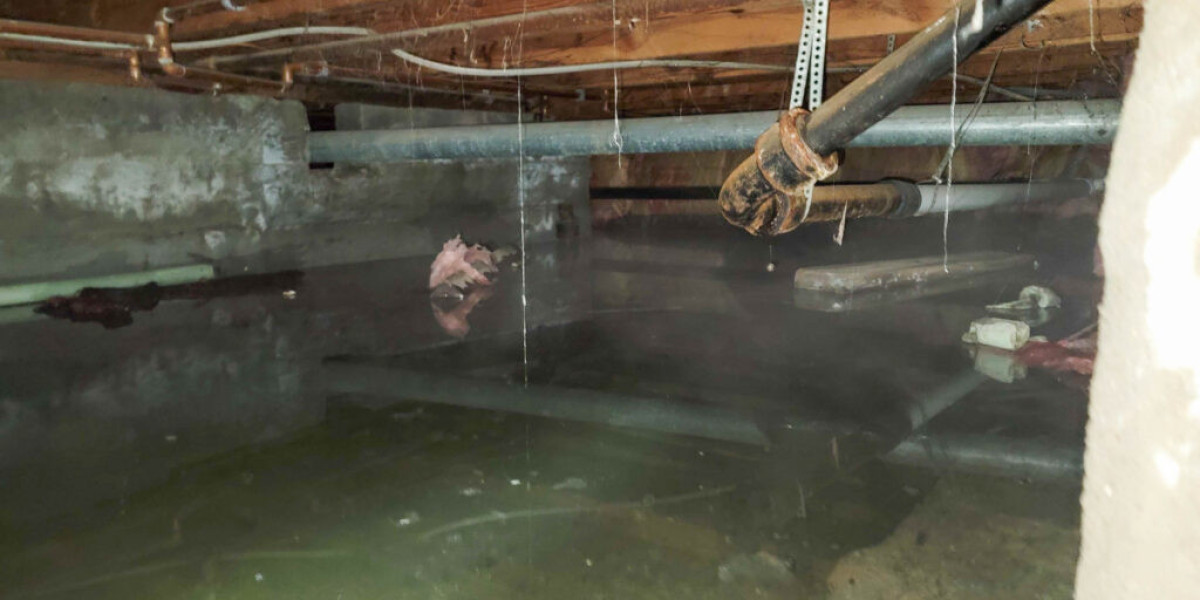
Basements are particularly vulnerable to water problems. Heavy rain, foundation leaks, sump pump failures, plumbing issues, and groundwater can cause water to enter basement areas.
Standing water can damage flooring, furniture, storage items, drywall, and other materials. Water extraction followed by structural drying can help address both visible water and moisture that has moved into building materials.
Water Removal for Commercial Properties
Businesses can also experience water emergencies. Offices, retail stores, restaurants, warehouses, and other commercial properties may have water damage that affects equipment, inventory, flooring, walls, and customer areas.
Commercial water removal services can include emergency extraction, moisture inspection, structural drying, cleaning, and repairs. A coordinated response can help businesses address affected areas and work toward restoring normal operations.
When to Call a Water Removal Professional
Professional help may be useful when there is extensive standing water, water spreading across multiple rooms, saturated flooring, wet drywall, basement flooding, or water from a potentially contaminated source.
Professional equipment can remove large amounts of water and help identify hidden moisture that may not be visible. Early assessment can also help property owners understand what materials may need repair or replacement.
Choosing a Water Removal Company
When selecting a water removal company, property owners should consider experience, response time, equipment, communication, and the range of services offered.
It can be useful to choose a company that can handle not only water extraction but also drying, cleaning, moisture monitoring, repairs, and restoration. Clear communication about the process and expected work can make the restoration experience easier to manage.
Preventing Future Water Problems
Regular property maintenance can help reduce the risk of future water damage. Property owners should inspect plumbing connections, water heaters, appliances, roofs, gutters, windows, and drainage systems for leaks or damage.
Small leaks should be repaired promptly. Maintaining plumbing and drainage systems can help identify potential problems before they result in major water damage.
Conclusion
Water removal services help property owners respond to leaks, flooding, burst pipes, appliance failures, storms, and other water emergencies. Professional water extraction, moisture inspection, structural drying, cleaning, and repairs can help restore affected areas and reduce the risk of additional problems. Acting quickly after water enters a property is an important step toward protecting the building and returning it to a safe, usable condition.
Ubicación del Autor
201 W 1st Ave, Albany, OR 97321