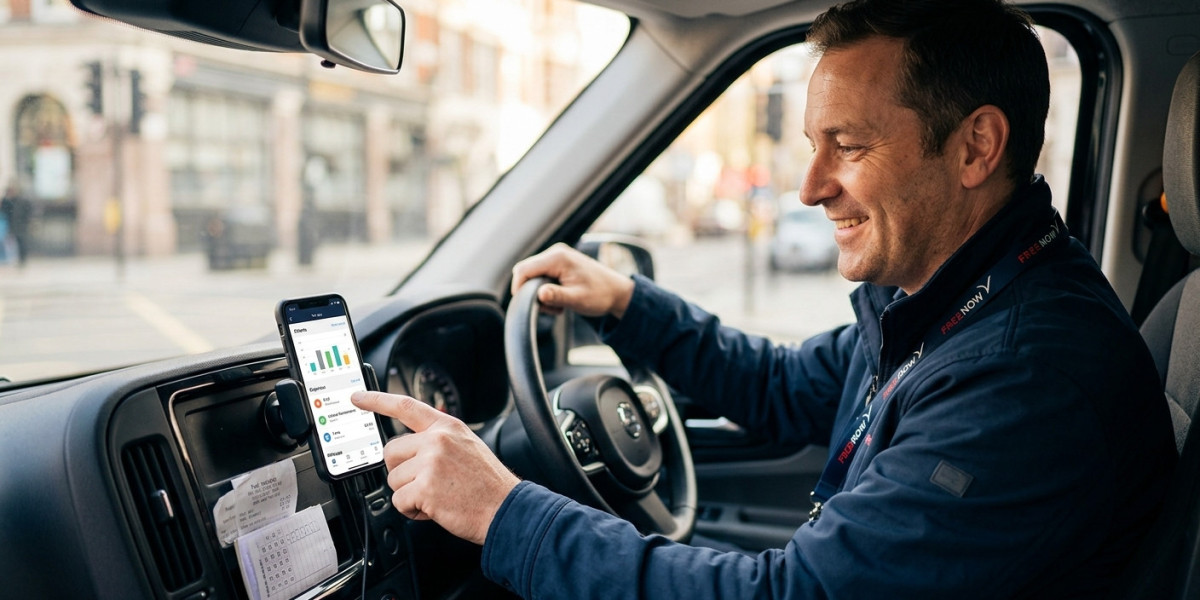

For self-employed taxi drivers in the UK, earning a living involves much more than picking up passengers and navigating busy streets. Between fuel costs, vehicle maintenance, fluctuating fares, and long working hours, finding time to manage tax paperwork can feel like another shift at the end of the day. Yet, keeping accurate financial records is essential for meeting HMRC requirements and understanding how much money your business actually earns. Missing receipts, forgotten expenses, and last-minute calculations can make Self Assessment more stressful than it needs to be.
The good news is that digital bookkeeping and tax automation can make these responsibilities considerably easier. With the right tax software, drivers can organise income, record business expenses, monitor profits, and prepare for tax deadlines throughout the year. A suitable Tax App for Taxi Drivers UK can turn tax management from an annual headache into a simple, manageable routine. Whether you drive for Uber, Bolt, a local taxi company, or operate independently, this guide explains how to simplify HMRC Self Assessment while keeping your business finances organised.
1. Understand Your HMRC Self-Assessment Responsibilities
If you operate as a self-employed taxi driver or sole trader, you will generally need to register for Self Assessment when your circumstances meet HMRC's registration requirements.
For example, individuals generally need to register if their gross trading income exceeds £1,000 in a tax year, subject to applicable exceptions and rules.
The UK tax year runs from 6 April to 5 April. For the 2025/26 tax year, the tax return reporting deadline for online Self Assessment is 31 January 2027, with the same date generally applying to payment of any balancing tax due. Understanding these deadlines early helps you avoid unnecessary pressure and potential late-filing penalties.
What records should taxi drivers maintain?
As a self-employed driver, you should maintain accurate records of your business income and allowable expenses.
These typically include:
Income from passenger fares, private bookings, and relevant driving platforms.
Fuel, vehicle repairs, servicing, and insurance where allowable.
Business mileage and supporting journey records.
Booking platform commissions and other business charges.
Receipts, invoices, and bank transaction records.
A clear recordkeeping system makes it easier to calculate your taxable profit and complete the relevant sections of your Self Assessment tax return. Rather than waiting until January to gather everything, maintaining records throughout the year allows you to review your finances regularly and identify missing information before filing.
For official guidance, visit HMRC Self Assessment .
2. Record Taxi Fares and Income Without the Paperwork
One of the biggest challenges for self-employed taxi drivers is keeping track of income from different sources. You might receive payments through Uber, Bolt, local operators, cash fares, card transactions, and private bookings. Relying on memory or handwritten notes can make it difficult to calculate your total turnover accurately, especially when you complete dozens of journeys every day. A tax app can help you bring these income records together in one place.
Keep gross income and deductions separate
When recording earnings from ride-hailing platforms, remember that the amount deposited into your bank account may be lower than the gross fares earned.
For example, a booking platform might deduct its commission or service charges before paying you. Your records should distinguish between the gross income generated and the relevant business fees.
This makes it easier to understand your actual turnover, identify deductible charges, and avoid underreporting income. Look for bookkeeping software that allows you to:
Record income from multiple platforms and payment methods.
Import eligible bank transactions or connect supported accounts.
Categorise income and business fees separately.
Review daily, weekly, and monthly earnings.
Where automated bank feeds or platform integrations are available, they can reduce repetitive data entry. However, imported transactions should still be checked against your earnings statements to identify missing payments or duplicate entries. For drivers who also work part-time as freelancers or operate another small business, having income records organised within a single bookkeeping system can make tax preparation more straightforward.
3. Track Fuel, Mileage, and Vehicle Expenses Correctly
Fuel is a significant operating cost for many taxi drivers. Add vehicle insurance, servicing, tyres, repairs, and cleaning, and the cost of keeping a vehicle roadworthy can quickly add up. The challenge is not simply recording what you spend. It is understanding which expenses can legitimately be claimed against your taxable business income.
Choose the appropriate vehicle expense method
HMRC generally allows eligible self-employed drivers to calculate vehicle expenses using one of two methods.
Method | How it works |
Simplified mileage | Claim 45p per qualifying business mile for the first 10,000 miles in a tax year and 25p per mile thereafter. |
Actual vehicle costs | Claim the allowable business proportion of eligible vehicle running costs, subject to HMRC rules. |
Under the simplified mileage method, the mileage rate covers vehicle running costs, including fuel, servicing, and repairs. You cannot claim these costs separately for the same vehicle while using the mileage method. Under the actual-cost method, you can generally claim the business proportion of eligible costs, excluding private use. Eligibility rules apply, and the method you choose can affect future claims. It is worth reviewing the options carefully before making a decision. A Tax App for Taxi Drivers UK should make it easier to maintain mileage records, organise fuel receipts, and review vehicle expenses throughout the tax year.
For example, if you drive 150 business miles on a working day, recording the mileage promptly gives you a reliable record rather than requiring you to reconstruct journeys months later.
For further information, consult HMRC's simplified expenses guidance .
4. Capture Receipts and Categorise Expenses as You Go
A common reason taxi drivers struggle with Self Assessment is that receipts accumulate faster than they can organise them. Fuel receipts, garage invoices, parking charges, phone bills, and vehicle cleaning expenses can end up scattered across wallets, glove compartments, email inboxes, and bank statements. By the time the tax return is due, finding the supporting evidence for each expense becomes a time-consuming task.
Digital receipt management offers a practical alternative.
Make expense tracking part of your daily routine
Choose a tax app with receipt scanning, document storage, or expense categorisation features. After paying for a business expense, photograph the receipt or upload the invoice and record the transaction under the appropriate category.
For example, a taxi driver who pays £180 for a qualifying vehicle repair could record the transaction under vehicle maintenance and retain the garage invoice. Similarly, if you use your mobile phone for both personal and business purposes, record only the appropriate business proportion of eligible costs.
This approach helps you:
Reduce the risk of losing important receipts.
Find supporting documents when preparing your tax return.
Identify recurring expenses and unusual spending.
Maintain clearer records for HMRC enquiries.
Not every expense connected with working as a taxi driver is automatically allowable. Personal journeys, private purchases, and ordinary commuting costs generally cannot be claimed as business expenses. A well-organised bookkeeping system helps separate personal spending from business expenditure and supports more accurate reporting.
5. Monitor Your Taxable Profit and Plan for Payments
Knowing how much money enters your bank account is not the same as knowing how much profit your taxi business generates. After fuel, commissions, insurance, and other allowable expenses, your actual business profit may be considerably lower than your total fares. This distinction matters because your Income Tax liability is generally calculated using taxable income and applicable allowances, rather than simply the amount of money you receive from passengers.
Use tax summaries to plan ahead
Suppose your taxi business earns £4,500 in a month and incurs £1,600 in allowable business expenses. Your estimated business profit would be £2,900 before any additional tax adjustments or other considerations.
Reviewing income and expense summaries regularly can help you understand your financial position and decide how much money to reserve for tax. Remember that Income Tax and National Insurance liabilities depend on your wider circumstances, including other income, available allowances, and applicable rates. You may also need to make payments on account towards a future tax bill, depending on your circumstances.
A bookkeeping app that provides profit summaries and estimated tax calculations can help you prepare for these obligations. Treat estimates as planning tools, however, and verify your final figures before submitting a return. For many self-employed drivers, setting aside a proportion of business profits in a separate savings account can also help prevent tax payments from disrupting everyday household or business finances.
6. Prepare for Making Tax Digital for Income Tax
Making Tax Digital (MTD) is changing how many self-employed individuals manage their tax records and report income to HMRC. For taxi drivers who fall within its scope, digital recordkeeping and quarterly updates will become an important part of managing business finances.
The phased introduction is based on qualifying income:
From 6 April 2026: qualifying individuals with qualifying income over £50,000.
From 6 April 2027: qualifying individuals with qualifying income over £30,000.
From 6 April 2028: qualifying individuals with qualifying income over £20,000.
These thresholds relate to qualifying income, not taxable profit. Eligibility depends on HMRC's rules and relevant exemptions.
What does this mean for taxi drivers?
Affected drivers will generally need to maintain digital records of business income and expenses, submit quarterly updates using compatible software, and complete the required year-end tax process. This makes choosing appropriate software increasingly important.
When comparing apps, check whether the provider supports MTD for Income Tax, whether the software is compatible with HMRC's requirements, and what reporting features are included in the subscription. A tax app that helps you maintain digital records throughout the year can reduce the amount of preparation required when reporting deadlines arrive.
You can check current eligibility and requirements through the official HMRC Making Tax Digital for Income Tax guidance . Starting early gives you time to establish a routine, organise historical records, and understand how digital reporting fits into your working schedule.
7. Choose a Tax App That Fits Your Taxi Business
Not every taxi driver needs complex accounting software. The right solution should be easy to use, affordable, and suitable for your business activities. Before choosing a Tax App for Taxi Drivers UK, consider how it will support your everyday bookkeeping and future tax reporting requirements.
Here are some features worth comparing:
Feature | Benefit for self-employed drivers |
Income tracking | Organises fares from different platforms and customers. |
Expense management | Keeps fuel, maintenance, and other costs categorised. |
Mileage tracking | Helps maintain evidence for qualifying business mileage. |
Receipt scanning | Stores invoices and receipts digitally. |
Profit summaries | Provides an overview of business performance. |
HMRC compatibility | Supports relevant digital reporting and tax preparation. |
Also consider pricing, customer support, data security, and whether the app integrates with your existing banking or accounting arrangements. If you work as a taxi driver while also running another business, such as a barber shop, salon, or trade service, look for software that can accommodate your different income streams and expenses. The goal is to find a practical system that simplifies bookkeeping without creating additional administrative work.
Conclusion: Make Self Assessment a Year-Round Routine
For self-employed taxi drivers, managing HMRC Self Assessment does not have to mean spending evenings sorting through receipts or rushing to complete a tax return before the deadline. By recording fares consistently, tracking eligible vehicle expenses, organising receipts, and reviewing business profits regularly, you can make tax management a much more predictable part of running your business. The right tax software can bring these tasks together, reduce repetitive administration, and help you maintain the records needed for accurate tax reporting.
If you are looking for a straightforward way to organise your bookkeeping and prepare for changing HMRC requirements, Taxara Ltd is worth exploring. Its focus on tax automation and digital bookkeeping offers self-employed drivers, freelancers, and small business owners an opportunity to simplify their financial administration.
Whether you spend your working day driving passengers, cutting hair, completing construction jobs, or managing a salon, building consistent digital bookkeeping habits can help you stay organised, prepare for tax deadlines, and focus more confidently on growing your business.