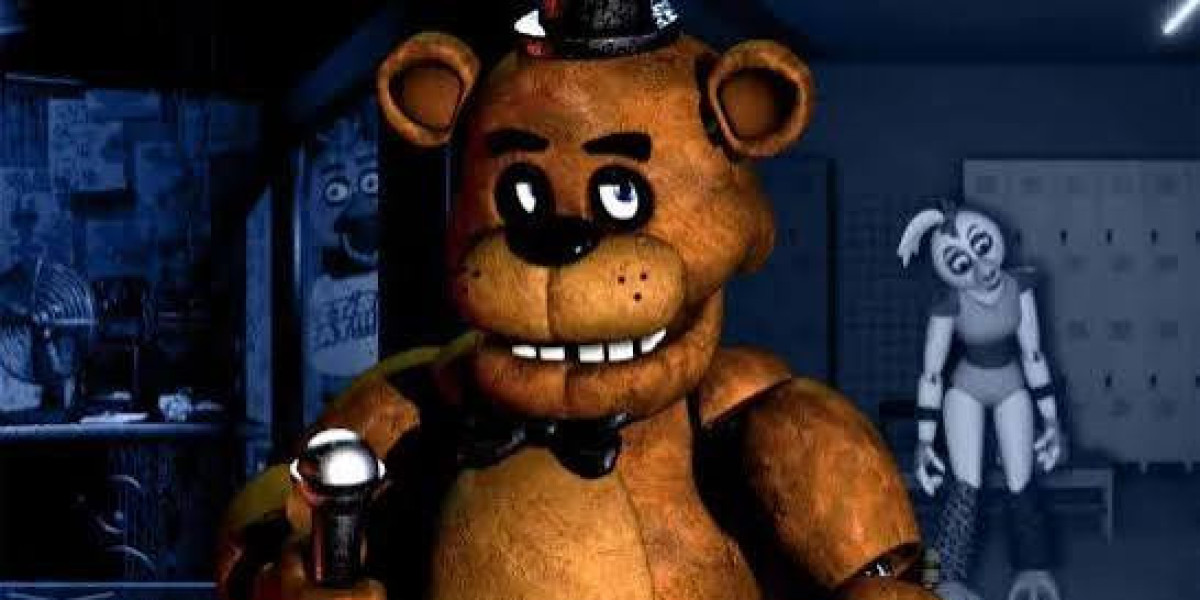

Some horror games chase you down a corridor with a chainsaw. Others lock you in a room and whisper until you can't breathe. If you've ever wondered why a game about sitting still in a tiny office became one of the most talked-about horror experiences of the past decade, you're in the right place. This isn't a review and it isn't a sales pitch — it's simply a friendly walkthrough of how to play FNAF the way it was meant to be felt: slowly, quietly, and with the volume turned up. Whether you're completely new or you've watched a hundred playthroughs and never dared to try it yourself, there's a version of this game waiting for you.
What You're Actually Doing
The premise is beautifully simple. You're a night security guard at a pizza restaurant called Freddy Fazbear's Pizza. Your shift runs from midnight to 6 a.m., and you spend it in a small office with two doors, two lights, a camera system, and a limited supply of power. That's the whole toolkit. The animatronic characters — Freddy, Bonnie, Chica, and the fox, Foxy — wander the building at night. If one reaches your office, the night ends badly.
Notice what's missing: you can't run, you can't hide in a locker, and you have no weapon. The only thing you control is information. You flick between camera feeds to see where the characters are, you check the lights on either side to confirm nothing is standing in the doorway, and you close the doors when something gets close. Every one of those actions drains power, and when the power hits zero, the darkness closes in and you wait for whatever comes next. That's the tension — not action, but choice.
The genius of it is that the game turns ordinary things into threats. A dark hallway. A fan spinning. A poster that seems to change when you're not looking. The scares land because the quiet does the work first.
How to Play It Well
Here's the honest truth about FNAF: it looks chaotic, but it's really a pattern-recognition game with a horror skin. Once you understand that, it becomes far less frightening and much more satisfying.
Rotate your cameras, don't stare at them. New players tend to freeze on one feed. Instead, sweep through the building in a loop, note where each character is, then return to the office. You're gathering snapshots, not watching a movie.
Trust the sound. The game is generous with audio clues. Footsteps, a metallic clang, a soft laugh — these tell you who moved and roughly where. Good headphones aren't a gimmick here; they're half your defense.
Watch your power like a budget. Every door you hold closed, every light you flick, every camera check costs you. The classic mistake is panicking and slamming both doors shut for long stretches. Sit with the fear for a second and ask: do I actually need this door closed right now? Restraint is the real skill.
Learn Foxy's rhythm. He behaves differently from the others — he builds up in his cove and then sprints down the hall. Checking the camera on him periodically resets his progress. Ignoring him is how most nights end early.
Give each character a job in your head. Bonnie tends to drift to the left door, Chica to the right. Once you assign them roles in your mind, their movement stops feeling random and starts feeling readable.
Tips for a Better Experience
A few small choices make a huge difference in how this game feels.
Play it at night, with the lights low, in one sitting if you can. FNAF is designed around sustained tension, and dipping in and out breaks the spell. Don't watch a full guide before your first attempt — go in blind for a night or two and enjoy being genuinely unsure. After that, feel free to read up on strategies.
Take the jumpscares seriously but not personally. They're loud and sudden, and that's the point. If they're too much, turn the volume down rather than skipping the game; the atmosphere survives just fine at a lower setting.
Finally, don't rush the lore. There's a deep, tangled backstory buried in the details — newspaper clippings, hidden rooms, cryptic lines — and half the joy of the community is piecing it together over time. Let the mystery breathe. You'll appreciate it more than if you spoil it in one evening.
Why It's Worth Your Night
FNAF endures because it understands something most horror games forget: fear isn't the monster, it's the wait. You spend most of your shift doing almost nothing, and that almost-nothing is unbearable in the best way. When 6 a.m. finally arrives and the bell rings, the relief is real — and a little addictive.
So if you've been hovering on the edge, consider this your nudge. Dim the lights, put on headphones, and give one night a try. You might scream. You'll definitely flinch. And you'll probably come back for night two.