
Niacinamide is a form of vitamin B3 and is one of the most versatile ingredients used in modern skincare. It can be added to routines for different skin types and concerns without requiring a complicated 10-step routine.
For people in Pakistan, factors such as hot weather, sun exposure, humidity, pollution, and excess oil can make skincare challenging. A well-formulated Niacinamide Serum can be a useful addition to a simple, consistent routine.
In this guide, we'll cover the benefits of niacinamide, how to use it, whether it is suitable for oily skin, how it works with other skincare ingredients, and common mistakes to avoid.
Table of Contents
- What Is Niacinamide?
- What Is Niacinamide Serum?
- Benefits of Niacinamide Serum
- Niacinamide for Oily Skin
- Niacinamide for Acne-Prone Skin
- Niacinamide for Dark Spots & Uneven Skin Tone
- Niacinamide for Large-Looking Pores
- Niacinamide for the Skin Barrier
- How to Use Niacinamide Serum
- How Often Should You Use Niacinamide?
- Niacinamide Morning or Night?
- Can You Use Niacinamide With Salicylic Acid?
- Niacinamide and Sunscreen
- Possible Side Effects
- How Long Does Niacinamide Take to Work?
- Common Mistakes
- FAQs
What Is Niacinamide?
Niacinamide, also known as nicotinamide, is a water-soluble form of vitamin B3.
It is widely used in skincare because it can support several aspects of skin health at the same time.
Unlike strong exfoliating acids, niacinamide is primarily known for supporting the skin barrier, helping with the appearance of excess oil, and improving the appearance of uneven skin tone.
It can be found in:
- Serums
- Moisturizers
- Cleansers
- Creams
- Toners
One of the most popular ways to use it is as a Niacinamide Serum.
What Is Niacinamide Serum?
A Niacinamide Serum is a lightweight skincare product containing niacinamide as a key active ingredient.
Serums are generally designed to deliver targeted ingredients as part of a skincare routine.
A 10% Niacinamide Serum is a popular concentration, particularly in products designed for oily skin and uneven-looking skin tone. However, a higher percentage isn't automatically better.
The overall formulation and your skin's tolerance are important.
Benefits of Niacinamide Serum
1. Helps Balance Excess Oil
One of the reasons niacinamide is popular among people with oily skin is its potential to support balanced sebum production.
Excess oil can make the skin appear shiny and may contribute to clogged pores.
Using niacinamide consistently can help the skin appear more balanced without intentionally stripping away all of its natural oils.
2. Supports the Skin Barrier
Your skin barrier helps protect your skin from environmental stressors and helps prevent excessive moisture loss.
Niacinamide supports the skin's natural barrier function and can help support the production of ceramides and other important components.
A healthy skin barrier can leave the skin feeling:
- Comfortable
- Smooth
- Hydrated
- Less dry
- More resilient
This is one of the reasons niacinamide can fit into both oily and dry-skin routines.
3. Helps Improve Uneven Skin Tone
Uneven skin tone can be caused by several factors, including sun exposure, previous blemishes, inflammation, and hormonal changes.
Niacinamide may help improve the appearance of uneven pigmentation over time.
However, it shouldn't be considered an instant dark-spot remover.
If pigmentation is your primary concern, daily SPF sunscreen is also essential because UV exposure can contribute to the development and persistence of pigmentation.
4. Helps Reduce the Appearance of Pores
Pores are a normal part of the skin and cannot permanently be "closed."
However, excess oil and buildup can make them appear larger.
By supporting balanced oil production and healthier-looking skin, niacinamide can help pores appear less noticeable.
5. Supports Smoother-Looking Skin
When oil levels and the skin barrier are better balanced, the skin can appear smoother and more refined.
Niacinamide can therefore be useful for people who want to improve the overall appearance of their complexion without relying heavily on exfoliating ingredients.
Niacinamide for Oily Skin
Oily skin is a common concern, particularly in warm climates.
In Pakistan, heat and sweating can make facial oil more noticeable throughout the day.
Niacinamide can be a useful ingredient for oily skin because it may help support sebum regulation without aggressively drying the skin.
A simple oily-skin routine could look like:
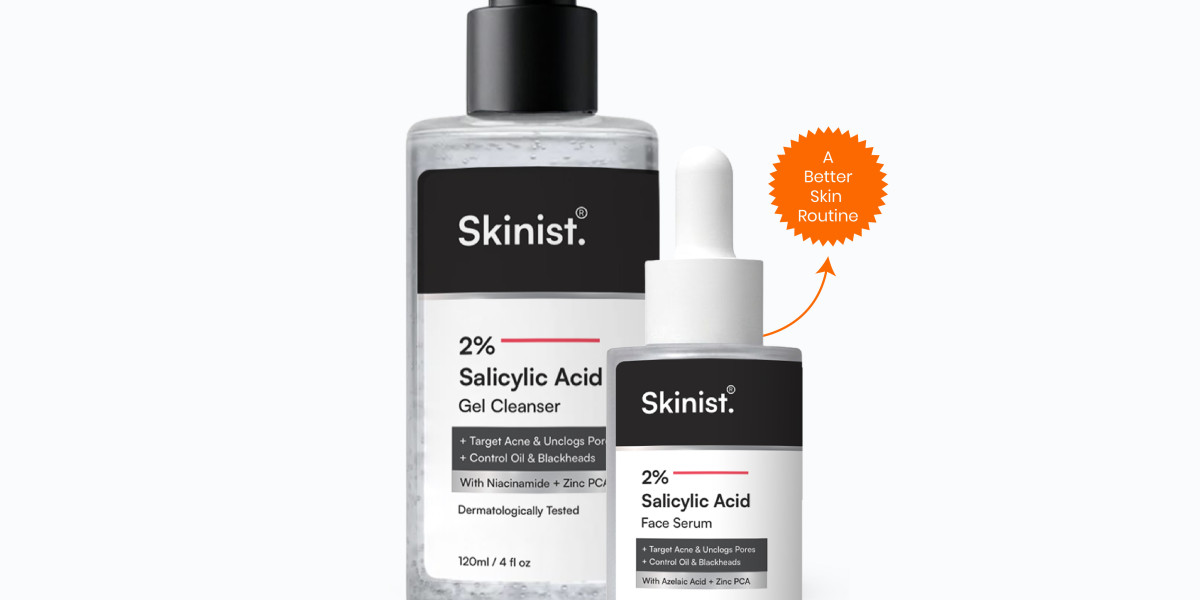
Cleanser → Salicylic Acid Cleanser → Lightweight Moisturizer → SPF Sunscreen
The goal shouldn't be to eliminate all oil.
Healthy skin naturally produces some oil. The goal is to maintain a more comfortable and balanced appearance.
Niacinamide for Acne-Prone Skin
Niacinamide isn't an acne medication, but it can have a useful place in a skincare routine for blemish-prone skin.
It can support:
- Oil balance
- Skin barrier health
- Reduced appearance of redness associated with irritation
- Overall skin texture
If you frequently experience clogged pores or breakouts, niacinamide can also be paired with ingredients such as salicylic acid.
However, don't overload your routine with multiple strong products.