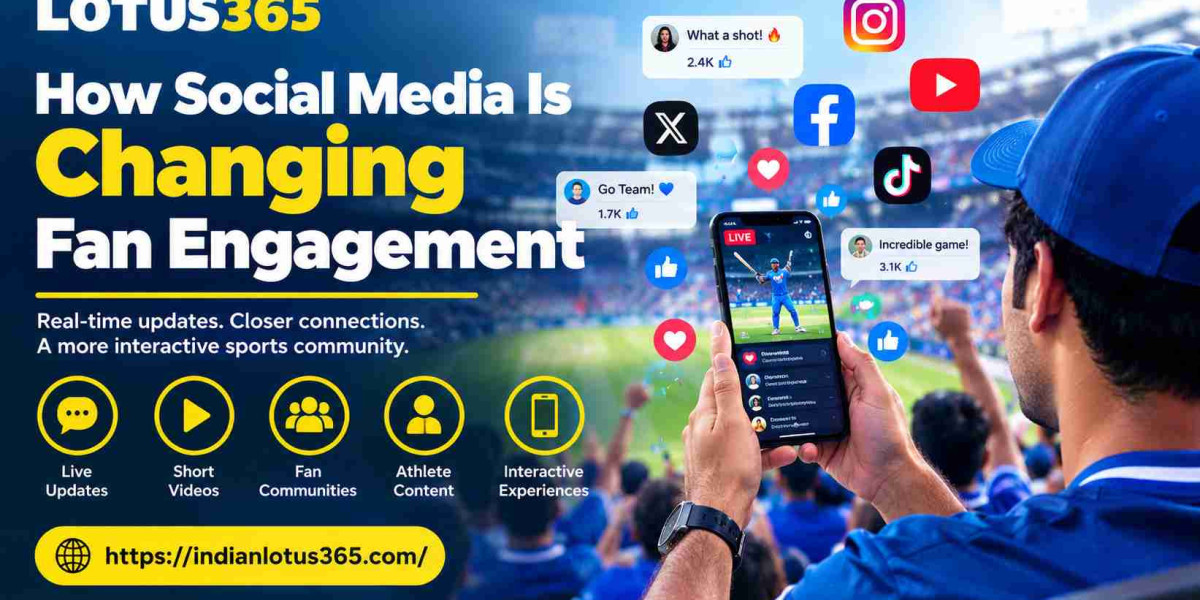

Social media has transformed the way sports fans connect with their favourite teams, athletes, leagues, and competitions. In the past, fans mainly followed matches through television, newspapers, radio, or official websites. Today, social platforms have become an important part of the sports experience, allowing fans to discover news, watch short videos, share opinions, and communicate with other supporters.
The biggest change is that fan engagement is no longer limited to match time. Social media allows sports organizations to communicate with their audiences before, during, and after every event. This creates a continuous relationship between fans and the sports they love.
Real-Time Updates Keep Fans Connected
One of the biggest advantages of social media is the speed at which information can be shared. Teams and sports organizations can publish team news, line-ups, scores, injury updates, match moments, and other important information almost instantly.
Fans who cannot watch an entire match can still follow important developments through posts, short updates, and live discussions. This makes social media especially valuable for people who are travelling, working, or otherwise unable to watch an event from beginning to end.
Real-time communication also creates excitement. A major goal, wicket, catch, record, or last-minute victory can become a social media conversation within moments.
Short-Form Video Is Changing Sports Content
Short videos have become one of the most effective ways to capture attention online. Instead of watching a complete match or a long interview, fans can quickly watch highlights, player reactions, behind-the-scenes clips, training moments, and important match events.
These videos are easy to share and can reach audiences who may not regularly follow traditional sports coverage. They also allow sports organizations to present the most exciting parts of an event in a format designed for quick viewing.
For fans, this means that a single match can create hours or even days of additional content.
Athletes Have a Direct Voice
Social media has also changed the relationship between athletes and their supporters. Players can communicate directly with fans without depending entirely on traditional media channels.
Athletes can share training routines, travel experiences, personal achievements, celebrations, and opinions. This gives fans a closer look at the person behind the performance.
This direct communication can make athletes feel more relatable. Supporters often develop stronger connections when they can see everyday moments as well as competitive performances. At the same time, athletes and teams need to use social platforms responsibly because public posts can have a significant impact on their reputation.
Fans Are Becoming Active Participants
Traditional sports media often treated fans as audiences. Social media has changed that model by giving supporters opportunities to participate.
Fans can comment on posts, create reaction videos, share photographs, publish match analysis, participate in polls, and discuss performances with other supporters. User-generated content can become an important part of sports culture because it reflects genuine fan opinions and emotions.
This creates communities around teams and competitions. A supporter in one city can communicate with thousands of people around the world who share the same interest.
Building Communities Beyond Match Day
Fan engagement does not have to stop when a match ends. Social media allows teams and sports brands to maintain interest throughout the entire season.
Training updates, historical moments, player interviews, quizzes, competitions, statistics, birthday messages, and throwback content can keep supporters involved between matches.
Platforms such as Lotus365 can fit into this broader digital environment by giving sports audiences another way to remain connected with online sports experiences.
This year-round approach is important because strong fan communities are built through consistent interaction rather than occasional communication.
Personalised Content Improves the Fan Experience
Social media platforms use recommendation systems to determine which content is most relevant to individual users. As a result, two sports fans can have very different experiences on the same platform.
A cricket fan may see more match highlights and player updates, while a football supporter may receive more team news and tournament content. This personalization makes it easier for fans to discover content that matches their interests.
Sports organizations can also learn from audience engagement. Comments, shares, views, and reactions can provide useful information about what supporters enjoy. This can help content teams improve their future communication strategies.
Mobile Access Makes Engagement Easier
Smartphones have made social media a natural companion to live sports. Fans can check updates while watching television, follow another match, discuss important moments, or share reactions without leaving the main viewing experience.
A simple Lotus365 login represents the wider importance of convenient digital access in today's sports environment. Users increasingly expect online services to be easy to access across different devices and situations.
Mobile-first content also encourages sports organizations to create vertical videos, quick updates, notifications, and other formats designed specifically for smaller screens.
Social Media and Fan Loyalty
Consistent social media engagement can contribute to stronger fan loyalty. When supporters regularly receive useful and entertaining content, they have more opportunities to interact with a team or athlete.
The relationship can become emotional rather than purely informational. Fans celebrate victories together, discuss difficult defeats, support players during challenging periods, and share memories connected to important sporting moments.
For sports organizations, this creates an opportunity to build communities instead of simply collecting followers.
The Role of the Lotus365 App in Digital Sports Engagement
Mobile applications are also becoming an important part of the modern sports ecosystem. A Lotus365 app can represent the wider shift toward accessing sports-related digital experiences through smartphones.
Apps and social media can work together by making it easier for fans to move between updates, content, discussions, and other online experiences. The key is to provide useful information without making the user journey complicated.
Challenges of Social Media Fan Engagement
Despite its benefits, social media also creates challenges. False information can spread quickly, while athletes and teams may face criticism, harassment, or excessive online pressure.
Sports organizations therefore need clear communication strategies and responsible moderation. Accuracy is particularly important when sharing breaking news, player information, or match-related updates.
Protecting fan privacy and using audience data responsibly are also important as digital engagement becomes more sophisticated.
The Future of Sports Fan Engagement
Social media is moving sports from a one-way broadcasting model toward a more interactive experience. Fans can watch, comment, create, share, discuss, and participate at the same time.
In the future, social platforms are likely to become even more closely connected with live broadcasts, personalized content, artificial intelligence, digital communities, and mobile experiences. The most successful sports organizations will be those that understand that fans want more than information. They want connection, participation, and a sense of belonging.
Social media has therefore become much more than a promotional tool. It is now an important part of modern sports culture, helping fans stay connected with the teams, athletes, and moments that matter to them.
Ubicación del Autor
India