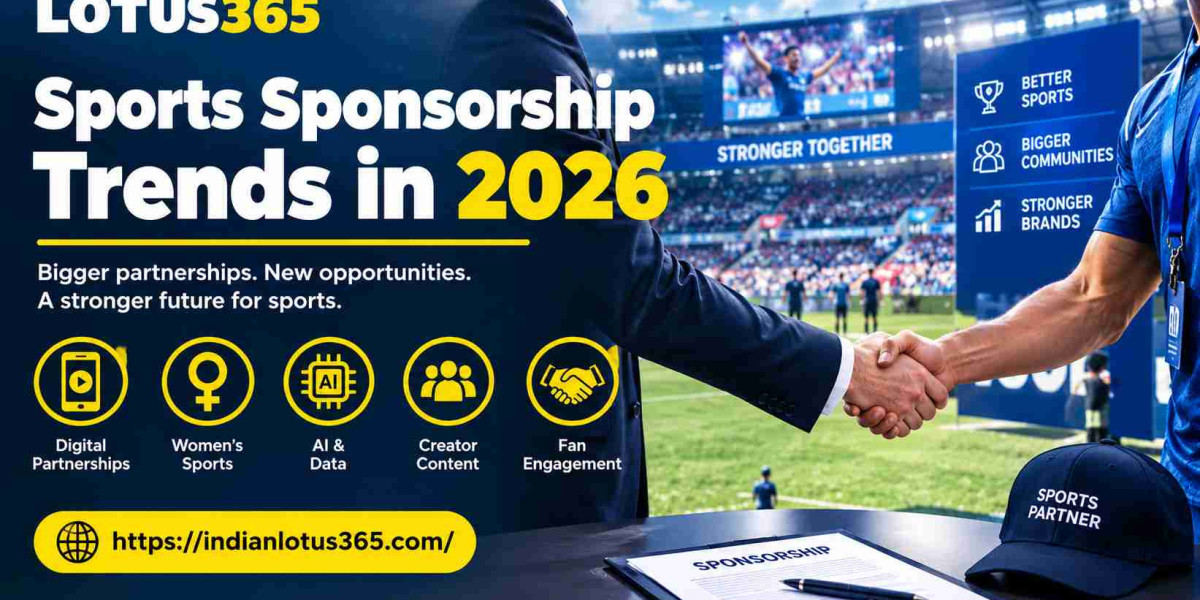

Sports sponsorship is becoming more than placing a company logo on a jersey, stadium board, or event banner. In 2026, brands are increasingly looking for partnerships that create meaningful connections with fans through content, technology, social media, live experiences, and community initiatives.
The sports industry is also expanding across media, entertainment, technology, gaming, and digital platforms. This wider ecosystem is creating new opportunities for sponsors to reach audiences in different ways. Industry research indicates that sponsorship budgets are recovering in 2026, while women’s sports have become a much more important part of sponsorship strategy.
1. Digital-First Sponsorships Are Growing
One of the most important sports sponsorship trends in 2026 is the move toward digital-first partnerships. Traditional advertising remains valuable, but brands increasingly want campaigns that continue beyond the stadium or television broadcast.
A sponsorship can now include social media content, short-form videos, digital competitions, exclusive interviews, interactive campaigns, and mobile experiences. This gives brands more opportunities to stay connected with audiences throughout a sporting season.
Digital campaigns can also reach fans who may never attend a live event. As sports audiences spend more time on social platforms and digital services, sponsors are adapting their strategies to meet fans where they already spend their time.
2. Women’s Sports Are Attracting More Investment
Women’s sports have become one of the strongest areas of opportunity for sports sponsors. Increased visibility, stronger fan engagement, expanding competitions, and growing athlete profiles are encouraging brands to invest more heavily in women’s leagues and events.
Recent industry research shows that a large majority of surveyed executives expect strong growth in women’s sports, while sponsorship and commercial activity are becoming increasingly important sources of revenue.
This trend is also changing the types of brands entering sports partnerships. Companies from fashion, technology, financial services, consumer products, and other industries are finding ways to connect their products with women's sports audiences.
3. AI Is Creating New Sponsorship Opportunities
Artificial intelligence is becoming another important part of sports marketing. AI can help organizations understand audiences, analyze engagement, personalize content, and improve how sponsorship campaigns are delivered.
Sponsors may use data-driven technology to identify which content performs well and understand how fans interact with campaigns. AI can also support the creation of personalized digital experiences.
The wider sports industry is increasingly treating AI as a strategic technology rather than simply an experimental tool.
For sponsors, this means future partnerships may involve intelligent platforms, automated content, advanced analytics, and personalized fan experiences.
4. Creator Partnerships Are Becoming More Important
Sports fans increasingly follow individual athletes, creators, commentators, and online personalities alongside traditional teams and leagues. This has created another valuable sponsorship channel.
Creators can introduce brands to audiences in a more personal and conversational way. Instead of relying only on traditional advertisements, sponsors can collaborate with creators on videos, interviews, challenges, behind-the-scenes content, and event coverage.
The rise of creator-led sports content is also helping brands reach younger audiences. Modern fans often connect with the personality and culture surrounding a sport as much as the competition itself.
5. Sponsorship Is Becoming More Interactive
Fans increasingly expect to participate rather than simply watch. This is encouraging sponsors to develop campaigns that involve audiences directly.
Interactive polls, digital challenges, prediction-based activities, social campaigns, virtual experiences, and fan competitions can turn a sponsorship into an active experience.
This approach can help brands become part of the fan journey instead of appearing as a separate advertisement. In 2026, sponsorship is increasingly connected with entertainment and participation.
6. Sports Sponsorship Is Expanding Beyond Traditional Categories
Technology companies, financial services, cloud providers, gaming businesses, lifestyle brands, and other industries are becoming increasingly visible in sports partnerships.
The reason is simple: sports provide access to large and highly engaged communities. A brand can use a sports partnership to communicate values such as performance, teamwork, innovation, ambition, and community.
Partnerships are also becoming more specialized. For example, a technology company may support analytics or cloud infrastructure, while another sponsor may focus on fan content or live experiences. Recent partnerships demonstrate how technology and sports organizations are combining sponsorship with fan-facing innovation.
7. Measurable Results Matter More
Brands want to understand what they receive from a sponsorship. Visibility is still important, but modern sponsorship decisions increasingly consider measurable outcomes.
These can include social media engagement, video views, website traffic, brand awareness, audience growth, content interactions, and customer activity.
This shift encourages sports organizations to provide better data and clearer reporting. Sponsors can then compare campaigns and understand which partnerships are delivering meaningful value.
For digital sports audiences, platforms such as Lotus365 reflect the broader movement toward online sports engagement, where brands can potentially connect with audiences through digital environments rather than relying only on physical advertising.
8. Mobile and Social Content Are Central to Sponsorship
Mobile devices have changed how fans consume sports content. A supporter may watch a match on television while simultaneously checking social media, statistics, highlights, or team updates on a smartphone.
This creates additional sponsorship opportunities. Brands can appear within short videos, live updates, digital content, and mobile campaigns without interrupting the main sporting event.
A convenient Lotus365 login can illustrate the wider importance of simple digital access as sports engagement becomes increasingly mobile-focused.
9. Sponsorship and Fan Communities
Successful sponsorships increasingly focus on communities rather than large audiences alone. Brands want to understand what fans care about and create partnerships that feel relevant to those interests.
Community initiatives, grassroots sports, youth development, charity programs, and local events can give sponsorships a deeper purpose. These activities can help brands build long-term relationships instead of focusing only on short-term visibility.
For sports organizations, meaningful community engagement can also strengthen their relationship with supporters.
10. Immersive Experiences Are Gaining Attention
Technology is opening new possibilities for sponsorship through virtual environments, augmented reality, gaming, and interactive digital experiences.
Brands can potentially sponsor virtual events, digital competitions, immersive content, and interactive fan activities. The boundary between sports, entertainment, gaming, and digital culture is becoming less defined. Industry trend research for 2026 highlights this growing connection between real-world fandom and digital experiences.
A Lotus365 app fits within the broader trend toward mobile sports experiences, where audiences can interact with digital content through connected devices.
The Future of Sports Sponsorship
Sports sponsorship in 2026 is becoming more digital, measurable, inclusive, and interactive. Brands are moving beyond traditional logo placement and looking for partnerships that provide content, technology, community value, and genuine fan engagement.
Women’s sports, AI, creator partnerships, social media, mobile platforms, and immersive experiences are opening new possibilities for sponsors. At the same time, brands need to ensure that their partnerships feel authentic rather than purely promotional.
The strongest sponsorships will likely be those that benefit everyone involved: brands gain meaningful exposure, sports organizations receive valuable support, and fans receive better content and experiences. As the sports industry continues to evolve, sponsorship will increasingly become a creative partnership built around connection rather than simple advertising.
Ubicación del Autor
India