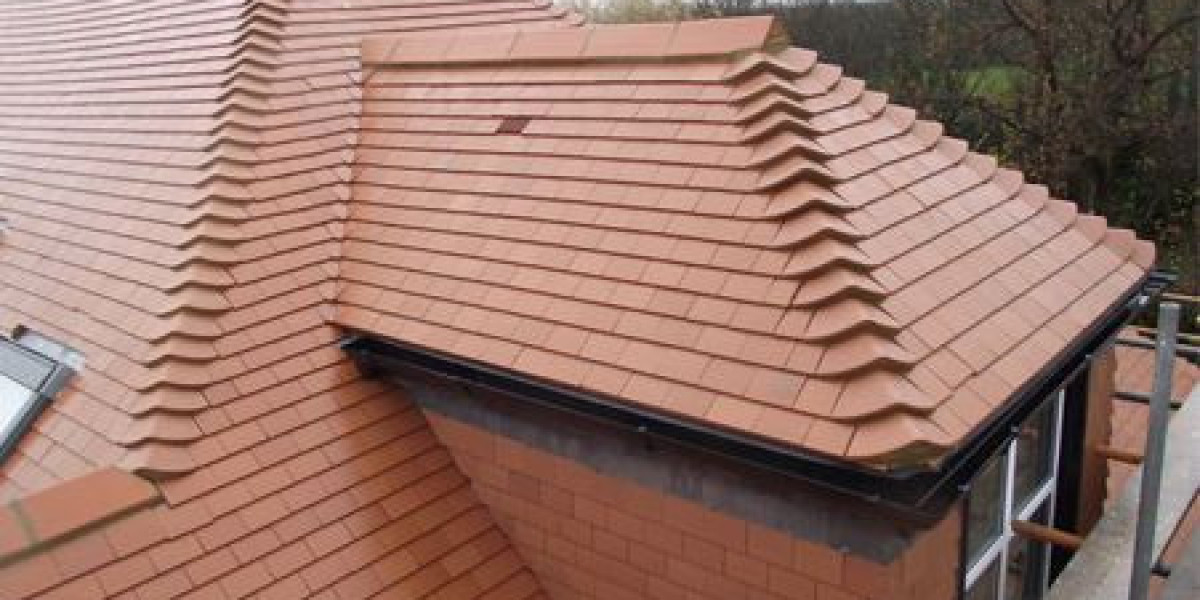

A roof replacement is one of the most substantial investments you will make in your home. Whether you are dealing with persistent leaks after winter storms, sagging timbers, or simply a roof covering that has reached the end of its natural lifespan, replacing your roof protects your property’s structural integrity and enhances its overall energy efficiency.
Understanding the costs involved helps you budget effectively and evaluate contractor quotes with confidence. In this guide, we break down average UK prices, key cost factors, and what to expect during a full re-roofing project.
What Is the Average Cost of a New Roof in the UK?
For a standard three-bedroom semi-detached property in the UK, a full roof replacement typically costs between £5,500 and £10,500. However, the total invoice depends on property size, architectural layout, accessibility, and material selection.
Estimated Cost Breakdown by Property Type
| Property Type | Typical Roof Area | Estimated Cost Range | Average Duration |
| 2-Bed Terraced House | $50 - 65\text{ m}^2$ | £4,000 – £6,500 | 2–3 Days |
| 3-Bed Semi-Detached | $70 - 90\text{ m}^2$ | £5,500 – £10,500 | 3–5 Days |
| 4-Bed Detached House | $100 - 140\text{ m}^2$ | £9,000 – £16,000+ | 5–7 Days |
| Standard Garage / Extension | $15 - 30\text{ m}^2$ | £1,500 – £3,500 | 1–2 Days |
Key Factors Shaping Your Roofing Estimate
No two properties are identical. When a roofing estimator assesses your home, several key variables dictate the final price:
[ Material Choice ] ──► [ Scaffolding & Access ] ──► [ Structural Timber Work ] ──► [ Waste Disposal ]Roofing Materials: Concrete interlocking tiles are the most economical option. Natural Welsh slate or handmade clay tiles require higher material budgets and specialized skills.
Scaffolding and Access Requirements: Multi-storey homes or terraced streets with tight access require extensive tubular scaffolding setups to meet UK Health and Safety regulations, adding £800 to £1,800 to the total project cost.
Timber & Decking Repairs: Once old tiles and battens are stripped away, rotten rafter timbers or damaged sarking boards must be replaced before installing breathable underlayment membrane.
Leadwork & Valley Repairs: Replacing milled lead flashings around chimney stacks, side valleys, and dormers adds skilled labor time but guarantees watertight integrity.
Tile Options: Concrete, Clay, or Natural Slate?
Choosing the right roof covering balances traditional style with long-term performance:
Concrete Interlocking Tiles: Most popular across modern UK estates due to low cost and fast installation. Lifespan: 30–40 years.
Clay Tiles: Ideal for traditional cottages and period properties, offering rich natural weathering. Lifespan: 50–60+ years.
Natural Slate: The premium choice for Victorian, Edwardian, and stone properties, offering exceptional durability and weather protection. Lifespan: 75–100+ years.
If you are looking for certified professionals to evaluate your property's specific structural needs, sourcing the best roofers in lancashire ensures your project is completed safely to current building control standards.
How to Tell If Your Roof Needs a Full Replacement
Spotting roof damage early prevents internal dampness and structural timber decay. Look out for these signs:
Multiple Slipped or Broken Slates: Repeatedly replacing missing tiles indicates failing copper nails ("nail sickness") or decaying battens beneath.
Daylight in the Loft: If you can see daylight through the roof timbers from inside your loft space, your weatherproofing underlayment is compromised.
Broken Mortar along Ridge Tiles: Deteriorating bedding mortar along the roof peak allows water to penetrate under heavy downpours.
Internal Water Staining: Spreading damp patches on top-floor ceilings signal widespread water ingress across the roof deck.
Frequently Asked Questions
Do I need planning permission for a new roof in the UK?
Replacing a roof on a like-for-like basis generally falls under Permitted Development. However, if you live in a conservation area, a listed building, or plan to alter the roof structural height or shape, formal council approval is required.
Will my new roof comply with UK Building Regulations?
Yes. Under UK Building Regulations (Element L), if you replace more than 50% of your roof space, you must upgrade the loft insulation to meet current thermal efficiency standards (typically $270\text{ mm}$ of mineral wool).