
Varicose veins are more than a cosmetic concern for many people. These enlarged, twisted veins can cause leg discomfort, heaviness, swelling, and aching that may interfere with everyday activities. Understanding how varicose veins develop, how to diagnose them, and which vein procedures may be appropriate can help patients make informed decisions about their vein health.
At USA Vein Clinics, patient education is an important part of understanding available care options. The treatment approach depends on symptoms, vein function, medical history, and diagnostic findings.
Understanding Varicose Veins and Their Causes
Varicose veins commonly develop when the valves inside the veins do not function properly. These valves normally help blood move toward the heart. When they weaken, blood can flow backward and collect in the veins, causing them to enlarge.
This condition is often associated with chronic venous insufficiency. Contributing factors may include age, family history, pregnancy, prolonged standing or sitting, and other factors affecting circulation.
Although visible veins are a common sign, some people experience symptoms even when changes in the skin are less noticeable.
Step 1: Diagnosing Varicose Veins
An accurate diagnosis helps determine which treatments for varicose veins may be suitable.
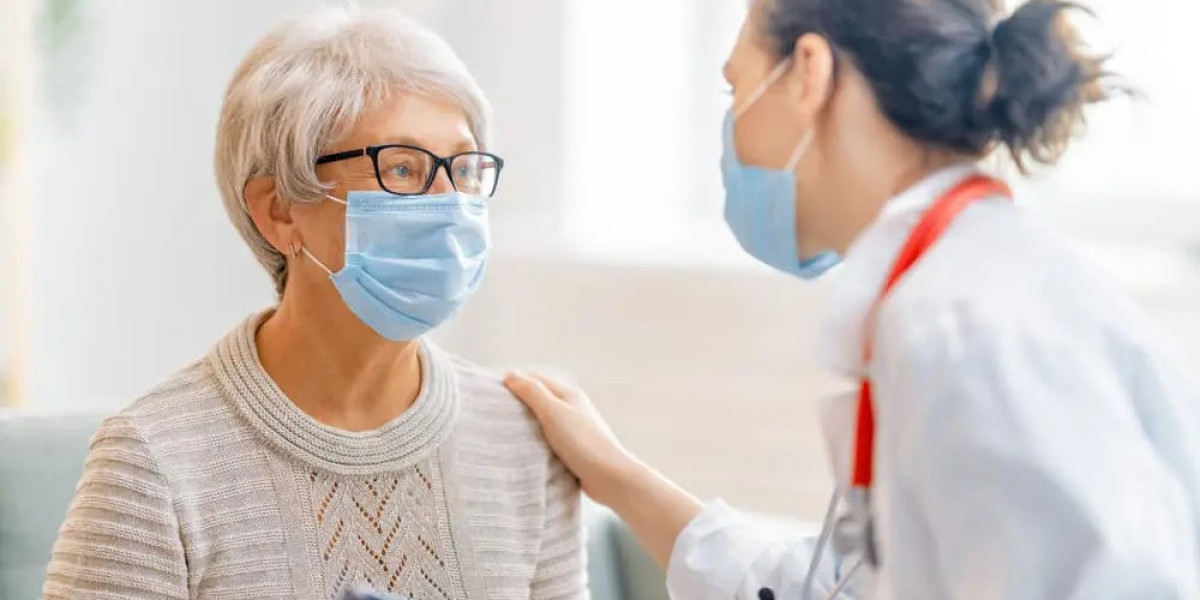
A vein doctor typically reviews the patient's symptoms, medical history, and physical examination findings. Depending on the circumstances, a duplex ultrasound may be performed to assess blood flow and identify faulty valves or affected veins.
Ultrasound findings help doctors understand the underlying cause rather than focusing only on the veins visible on the skin.
This evaluation is important because treatment recommendations should be based on the patient's individual condition.
Step 2: Exploring Available Vein Procedures
Several minimally invasive vein procedures are used to treat varicose veins. The appropriate option depends on the affected veins, the severity of symptoms, and the results of diagnostic testing.
Endovenous Laser Ablation
Endovenous laser ablation uses laser energy delivered through a thin catheter to close an affected vein. Blood is then redirected through other healthy veins.
The procedure is commonly performed using local anesthesia and may be considered for certain veins with underlying valve dysfunction.
Radiofrequency Ablation
Radiofrequency ablation uses heat generated by radiofrequency energy to close an affected vein. Like laser ablation, it is a minimally invasive option for selected patients with venous reflux.
Both techniques aim to address the source of abnormal blood flow rather than simply removing the visible appearance of a vein.
Sclerotherapy
Sclerotherapy involves injecting a solution into selected veins, causing them to close over time. It may be used for certain smaller varicose veins and spider veins, depending on the clinical findings.
Ambulatory Phlebectomy
Ambulatory phlebectomy involves removing selected superficial varicose veins through small skin openings. It may be appropriate when enlarged veins remain prominent near the skin's surface.
A doctor determines whether one procedure or a combination of approaches is appropriate for an individual's condition.
Step 3: Understanding Recovery and Follow-Up
Recovery varies according to the procedure, overall health, and extent of treatment. Many minimally invasive procedures allow patients to resume routine activities relatively quickly, although specific restrictions and recovery expectations differ.
Follow-up appointments help doctors evaluate treatment results and address any ongoing symptoms. Compression garments may be recommended in certain circumstances, depending on the procedure and the clinician's instructions.
Patients should also understand that treating existing veins does not eliminate every factor contributing to future vein problems.
Finding the Right Approach to Varicose Vein Care
The most appropriate treatments for varicose veins depend on an accurate diagnosis and an individualized evaluation. Modern vein procedures offer several options for addressing abnormal blood flow and visible varicose veins, but no single approach is suitable for everyone.
USA Vein Clinics provides information about vein conditions and available treatment options to help patients understand their care journey. A consultation with a qualified vein doctor can clarify the cause of symptoms, explain potential benefits and risks, and identify options based on individual needs.