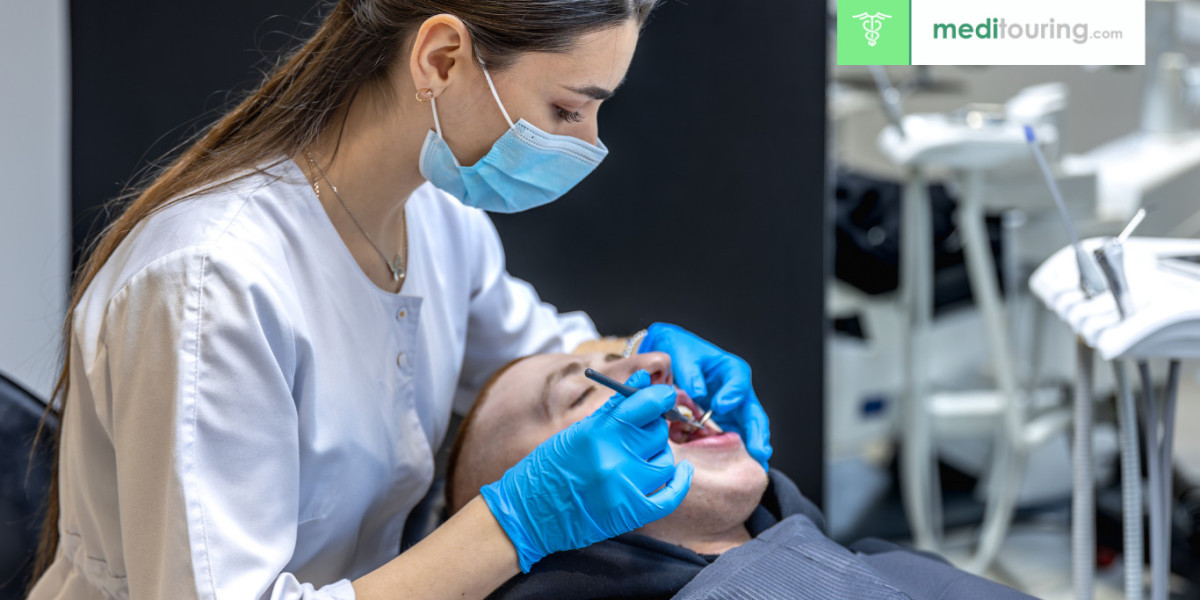

Dental implants have become a popular solution for replacing missing teeth, restoring chewing function, and improving smiles. However, the cost of treatment in a patient's home country can be a significant concern, particularly for people who need multiple implants or full-mouth rehabilitation. As a result, many patients explore dental implants abroad as an alternative that may offer more affordable treatment options alongside travel support.
Dental tourism can provide access to experienced dental professionals, modern clinical facilities, and personalised treatment plans. Nevertheless, travelling overseas for dental care requires careful research, realistic expectations, and a clear understanding of potential risks and aftercare requirements.
This guide explores the benefits and risks of getting dental implants abroad, how to choose a suitable clinic, and what patients should know before and after treatment.
What Are Dental Implants?
Dental implants are artificial tooth roots, usually made from titanium or another suitable biocompatible material, that are surgically placed into the jawbone. Once the implant integrates with the surrounding bone, it can support a dental crown, bridge, or full-arch restoration.
Implant treatment generally involves several stages:
Initial consultation: The dentist reviews medical and dental history and discusses treatment goals.
Diagnostic assessment: X-rays or 3D scans help assess bone volume, gum health, and implant placement requirements.
Implant placement: The implant is surgically inserted into the jawbone.
Healing and integration: The implant needs time to bond with the bone, a process known as osseointegration.
Final restoration: A crown, bridge, or other prosthesis is fitted when the clinical conditions allow.
The overall treatment timeline varies according to bone quality, gum health, the number of implants, and whether additional procedures, such as bone grafting, are necessary.
Benefits of Dental Implants Abroad
1. Potential Cost Savings
One of the main reasons patients consider dental implants abroad is the possibility of reducing treatment expenses. In some destinations, dental fees and overall treatment packages may be lower than comparable private dental care in the patient's home country.
Patients researching affordable dental implants abroad should compare complete treatment plans rather than focusing exclusively on the advertised price. The total cost may include consultations, diagnostic imaging, implant components, temporary teeth, final restorations, accommodation, and transport.
Savings depend on the destination, treatment complexity, and individual requirements. Flights, additional accommodation, repeat visits, and follow-up care can also affect the final cost.
2. Access to Different Treatment Options
Dental tourism gives patients an opportunity to compare clinics, implant systems, restoration options, and treatment approaches in different countries.
Depending on their clinical needs, patients may be suitable for individual implants, implant-supported bridges, or full-arch solutions such as All-on-4 or All-on-6. These procedures are not interchangeable, and the appropriate option depends on bone structure, oral health, and the dentist's assessment.
Patients should ask about the implant manufacturer, component traceability, laboratory arrangements, and the qualifications of the professionals responsible for surgery and restoration.
3. Treatment and Travel Support
Some dental tourism providers coordinate consultations, appointments, accommodation, airport transfers, and communication with clinics. This support can make international treatment easier to organise, particularly for patients travelling from the UK to European destinations such as Italy.
For example, Meditouring helps patients explore dental treatment options abroad and coordinate aspects of their treatment journey. Patients should confirm exactly which services are included in a package and which expenses remain their responsibility.
4. Improved Function and Appearance
For suitable candidates, dental implants can improve chewing ability, support replacement teeth, and help restore the appearance of a smile. Implant-supported restorations may also help maintain function when several teeth are missing.
However, implants are not guaranteed to succeed in every patient. Their long-term performance depends on factors including oral hygiene, bone health, smoking, medical conditions, implant placement, and regular professional maintenance.
Risks of Dental Implants Abroad
Although dental implants can provide significant benefits, travelling overseas for treatment introduces practical and clinical considerations that patients should evaluate carefully.
1. Differences in Clinical Standards
Dental regulations, professional registration systems, and patient protection arrangements vary between countries. A lower price does not automatically indicate poor quality, just as a higher price does not guarantee excellent care.
Before booking treatment, verify the dentist's qualifications, relevant training, clinic registration, infection-control procedures, and experience with the proposed procedure.
Ask whether the clinic provides written treatment plans, informed consent documents, itemised estimates, and clear information about possible complications.
2. Surgical Complications
Implant surgery carries risks, regardless of where it takes place. Potential complications include infection, bleeding, swelling, nerve injury, sinus-related problems in the upper jaw, and inadequate bone integration.
Some patients may require bone grafting or other preparatory procedures before implants can be placed. Others may not be suitable candidates because of insufficient bone, uncontrolled medical conditions, or active gum disease.
A responsible dentist should explain the likely benefits, alternatives, risks, and expected treatment timeline before proceeding.
3. Limited Follow-Up Care
One of the most important concerns when choosing dental implants abroad is access to follow-up appointments. Healing complications, loose components, bite problems, or prosthetic damage may become apparent after a patient returns home.
Before treatment, establish who will manage complications, whether remote consultations are available, and whether the clinic has arrangements for local follow-up. Ask for copies of scans, clinical notes, implant details, and treatment records to share with your regular dentist.
4. Unexpected Costs and Additional Visits
An advertised package may not cover every aspect of treatment. Bone grafting, extractions, temporary restorations, medication, additional nights of accommodation, or corrective treatment may incur extra charges.
Some implant procedures also require multiple trips, especially when healing time is necessary before the final restoration can be fitted.
To avoid surprises, request a written estimate that identifies inclusions, exclusions, payment terms, additional-visit requirements, and the clinic's policy if treatment needs to be changed.
How to Choose a Reliable Dental Implant Clinic Abroad
Selecting a suitable clinic is essential for achieving a safe and satisfactory outcome. Consider the following checks before making a decision.
Verify qualifications and experience. Confirm the treating dentist's registration, qualifications, and relevant experience in implant surgery and restoration.
Review the treatment plan. A personalised plan should explain the diagnosis, recommended procedures, alternatives, materials, healing period, and expected number of visits.
Check technology and hygiene. Ask about diagnostic imaging, sterilisation protocols, surgical procedures, and the traceability of implant components.
Request transparent pricing. Compare itemised quotes and establish whether the price covers surgery, implants, abutments, temporary teeth, final crowns or bridges, and follow-up visits.
Understand complication policies. Ask what happens if an implant fails, additional treatment is required, or you need urgent care after returning home.
Read independent reviews carefully. Look for consistent information about communication, treatment planning, clinical follow-up, and how the provider responds to complaints. Do not rely solely on promotional testimonials or before-and-after photographs.
These checks help patients assess affordable dental treatments abroad without allowing price to become the only deciding factor.
Dental Implant Aftercare: What Patients Should Know
Successful implant treatment does not end when the surgery is complete. Good aftercare supports healing, helps protect the restoration, and reduces the risk of complications.
Immediately After Surgery
Follow the dentist's written instructions regarding medication, oral hygiene, diet, and activity. Mild swelling, bruising, and discomfort can occur after surgery.
Choose soft foods initially and avoid putting unnecessary pressure on the surgical area. Do not smoke during healing, and avoid alcohol when advised, particularly if you are taking medication.
Use cold compresses if recommended and take prescribed medicines exactly as directed. Do not stop or change medication without appropriate medical advice.
During the Healing Period
Maintain careful oral hygiene according to your dentist's instructions. Depending on the procedure, you may be advised to use a specific mouth rinse or a gentle cleaning technique around the surgical site.
Attend all scheduled reviews, even if the implant feels comfortable. Avoid chewing hard foods on temporary restorations unless your dentist confirms that it is safe.
The time required for implant integration varies. Immediate or early loading may be possible for selected patients, but it is not appropriate in every case.
Long-Term Maintenance
Once the final restoration is fitted, brush twice daily with fluoride toothpaste and clean between the teeth and around the implant using suitable interdental brushes or other recommended aids.
Attend regular dental examinations and professional cleaning appointments. Your dentist should monitor the gums, bone support, bite, and condition of the implant-supported restoration.
Seek prompt professional advice if you experience persistent pain, swelling, bleeding, pus, a loose implant-supported tooth, or difficulty chewing. Fever, rapidly increasing swelling, or difficulty swallowing or breathing requires urgent medical assessment.
Is Travelling Abroad for Dental Implants Worth It?
Dental implants abroad may be worth considering for patients seeking alternative treatment options and potentially lower costs. However, the decision should be based on clinical suitability, the quality of the proposed care, the total cost, and the availability of reliable aftercare.
Before travelling, consult a qualified dentist, disclose your medical history, and obtain a clear treatment plan. Consider travel insurance limitations, time away from work, the possibility of delayed healing, and the cost of returning for additional treatment.
Patients from the UK exploring dental tourism in Italy or elsewhere in Europe should also arrange access to a local dentist who can provide routine maintenance and assess problems if they arise.
Final Thoughts
Choosing dental implants abroad can offer potential financial benefits, access to different treatment options, and coordinated travel support. However, implants require careful planning, skilled clinical care, and long-term maintenance.
The best approach is to compare clinics based on qualifications, transparent pricing, treatment quality, and follow-up arrangements rather than choosing the cheapest offer. With thorough research and realistic expectations, patients can make better-informed decisions about their oral health.
If you are considering affordable dental implants abroad or other affordable dental treatments abroad, take time to ask questions, review your options, and understand the complete treatment journey before committing. A well-planned decision should prioritise long-term oral health, safety, and value—not price alone.
Ubicación del Autor
128 City Road, London, United Kingdom, EC1V 2NX