
Data Security Is Becoming a Foundation for Data Center Growth
As businesses increasingly depend on cloud computing, artificial intelligence, digital transactions, and online platforms, protecting information has become a major priority. Organizations require infrastructure that can store, process, and manage sensitive information without compromising availability or confidentiality. This growing requirement is creating new opportunities across the South Korea Data Center Market, where data security is becoming an essential factor in infrastructure development and service selection. Companies are looking beyond storage capacity and connectivity, focusing equally on cybersecurity, operational reliability, and the protection of business-critical information.
South Korea has a highly developed digital ecosystem supported by telecommunications, semiconductor manufacturing, financial services, e-commerce, and technology companies. These industries generate and process substantial volumes of information, increasing the need for secure data center facilities. As digital operations expand, businesses expect providers to offer reliable infrastructure with strong access controls, monitoring systems, backup arrangements, and protection against cyber threats. Consequently, data security is becoming an important factor influencing market competitiveness and long-term growth.
Why Cybersecurity Is Driving South Korea Data Center Market Development
Data centers manage information that can include customer records, financial transactions, business applications, intellectual property, and operational databases. Unauthorized access, data theft, ransomware, and system disruptions can create significant financial and reputational consequences for organizations. Therefore, businesses increasingly evaluate the security capabilities of data center providers before selecting infrastructure partners.
Modern facilities use multiple layers of protection to reduce security risks. These can include identity verification, restricted physical access, network monitoring, encryption, firewalls, intrusion detection, and continuous security assessments. Combining these measures helps operators protect digital assets while supporting the uninterrupted delivery of services.
The South Korea Data Center Market is benefiting from the growing importance of secure digital infrastructure. As more enterprises migrate workloads to cloud environments and adopt connected technologies, the need for professionally managed facilities is increasing. Data center operators that prioritize cybersecurity can strengthen customer confidence and differentiate their services in a competitive market.
Related Topic:- Japan Data Center Market , Russia Data Center Market
Investment Advantages of Secure Data Center Infrastructure
Data security creates investment opportunities by increasing the value of reliable and professionally managed infrastructure. Businesses are more likely to consider facilities that can demonstrate strong protection measures, operational resilience, and dependable service delivery. This can support customer retention and create opportunities for long-term service agreements.
South Korea's technology-driven economy provides a strong foundation for investment in secure data center infrastructure. Telecommunications companies, financial institutions, manufacturers, cloud service providers, and digital businesses depend on consistent access to computing and storage resources. As their information requirements grow, investment in secure facilities, cybersecurity platforms, and infrastructure upgrades becomes increasingly important.
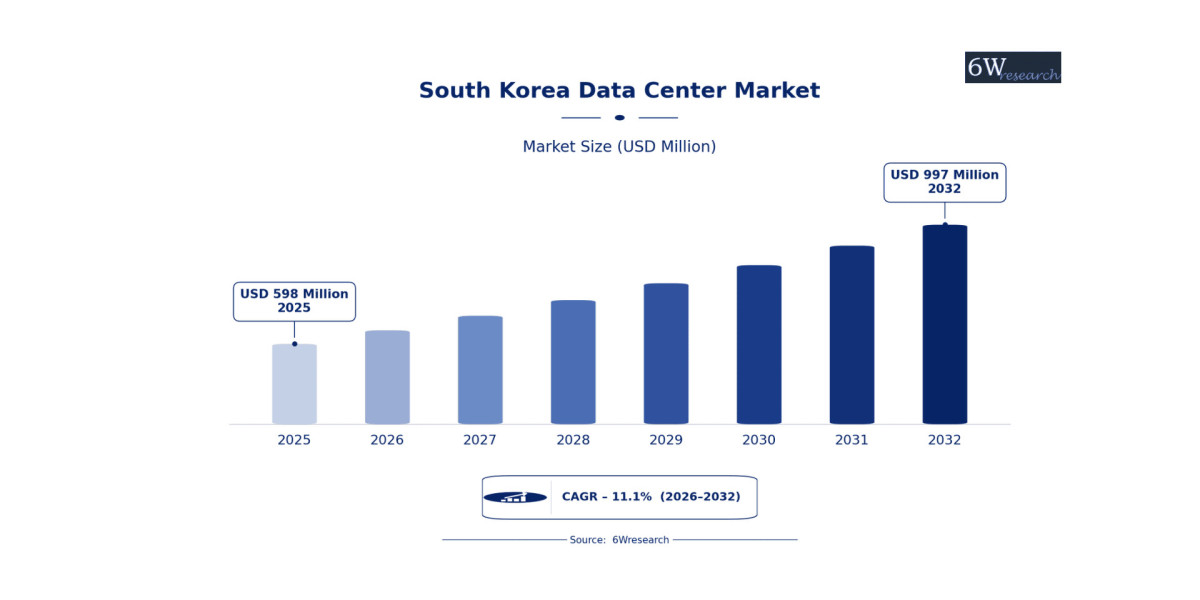
The country's data center market is projected to increase from approximately USD 598 million in 2025 to USD 997 million by 2032, registering a compound annual growth rate of around 11.1% during 2026–2032. This expansion creates opportunities across facility development, hardware, software, managed services, and security solutions. Investors evaluating the sector can consider how cybersecurity requirements may influence demand for advanced infrastructure and specialized data protection services.
Related Topic:- Azerbaijan Data Center Market
Growing Enterprise Demand for Data Protection
Digital transformation has changed how organizations collect, store, and use information. Businesses now depend on online transactions, cloud-based applications, customer management platforms, remote collaboration, and data analytics. These activities increase the amount of information that must be protected against unauthorized access and unexpected disruptions.
Financial services are particularly dependent on secure infrastructure because digital banking, payment processing, and financial data management require high levels of reliability. Telecommunications companies also need protected facilities to support network operations and customer information. Meanwhile, manufacturing businesses increasingly use connected systems and digital platforms to manage production, supply chains, and industrial processes.
This broad demand supports the expansion of the South Korea Data Center Market. Organizations may prefer professional data center providers because maintaining advanced security infrastructure independently can require substantial technical expertise and investment. Outsourcing selected infrastructure requirements can allow businesses to focus on their core operations while relying on specialized providers for facility management and protection.
Related Topic:- Cambodia Data Center Market
Advanced Security Technologies Enhance User Experience
Data security is not limited to preventing cyberattacks. It also contributes to a dependable user experience by helping ensure that digital services remain available, responsive, and trustworthy. Customers expect banking applications, e-commerce platforms, communication services, and cloud-based tools to operate smoothly. Security incidents and service interruptions can weaken confidence and affect customer relationships.
Data center operators can improve service reliability through real-time monitoring, automated threat detection, regular system updates, and well-defined incident response procedures. Artificial intelligence and machine learning tools can also help security teams identify unusual network activity and recognize potential threats more quickly. These technologies support a more proactive approach to managing digital risks.
Backup systems and disaster recovery planning are equally important. Secure data backups can help organizations restore information following technical failures, cyber incidents, or other unexpected events. Redundant infrastructure and recovery procedures can reduce downtime and support business continuity. As customers increasingly expect uninterrupted digital services, these capabilities can strengthen the position of providers in the South Korea Data Center Market.
Related Topic:- Czech Republic Data Center Market
Infrastructure Development Requires Strong Physical and Digital Protection
The development of modern data centers involves more than constructing buildings and installing servers. Operators must consider physical security, network architecture, power availability, cooling systems, fire protection, and operational monitoring. Each component contributes to the facility's ability to protect information and maintain service continuity.
Physical security measures can include controlled entry points, surveillance systems, visitor verification, and restricted access to sensitive equipment areas. Digital protection requires secure network configurations, encryption, vulnerability assessments, and continuous monitoring. These measures need to work together because weaknesses in either physical or digital systems can expose critical infrastructure to risks.
South Korea's advanced telecommunications ecosystem and technology capabilities support the development of sophisticated data center facilities. However, continued market expansion will require operators to maintain security standards as infrastructure becomes more complex. The increasing use of artificial intelligence, cloud computing, and high-performance computing also creates new requirements for protecting large-scale workloads and interconnected systems.
Related Topic:- France Data Center Market, Africa Data Center Market
Compliance and Customer Trust Strengthen Market Opportunities
Organizations operating in regulated industries must consider data protection obligations when choosing infrastructure providers. Financial institutions, healthcare-related businesses, public-sector organizations, and large enterprises may have specific requirements regarding information handling, access management, storage, and security controls.
Data center providers that understand these requirements can become valuable partners for organizations managing sensitive information. Strong governance practices, transparent security procedures, and documented operational controls can help build trust with customers. Providers must also regularly review their systems because cyber threats and technology requirements continue to evolve.
For the South Korea Data Center Market, customer trust can become an important competitive advantage. Businesses increasingly evaluate providers based on their ability to combine secure infrastructure with scalability, connectivity, and reliable service management. This creates opportunities for operators offering specialized security capabilities alongside traditional data center services.
Why Businesses Will Continue Choosing Secure Data Centers
The growing dependence on digital platforms means that data protection will remain an important business requirement. Organizations need infrastructure that can support increasing workloads while protecting confidential information and maintaining service availability. As cloud adoption and artificial intelligence applications expand, these requirements are likely to become more demanding.
Secure data centers can help businesses reduce the burden of managing complex infrastructure independently. They provide access to specialized facilities, professional operational teams, monitoring capabilities, and recovery arrangements. These advantages are particularly relevant for companies seeking to expand digital services without making large investments in their own infrastructure.
For customers, stronger data protection also supports confidence in everyday digital activities, including online payments, shopping, communication, and business transactions. This makes cybersecurity an important part of the wider digital ecosystem rather than simply a technical requirement.
Wrapping Up
Data security is becoming a major factor influencing data center development, customer preferences, and investment decisions in South Korea. Rising digital adoption, cloud expansion, artificial intelligence workloads, and growing enterprise information requirements are increasing the need for secure and resilient infrastructure. Providers that invest in cybersecurity technologies, physical protection, monitoring, and disaster recovery can strengthen their position as demand expands.
The South Korea Data Center Market offers promising opportunities as businesses continue to prioritize reliable digital infrastructure. With the market projected to reach approximately USD 997 million by 2032, secure facilities and advanced data protection services are likely to remain important areas of development. For investors and businesses evaluating this sector, understanding the growing role of cybersecurity today can help identify valuable opportunities and support informed long-term investment decisions.
About 6Wresearch
6Wresearch is a commercial strategy and growth advisory firm founded in 2011 and headquartered in New Delhi, India, with partners across Southeast Asia and the Middle East Africa. The firm has delivered over 20,000 commercial engagements for over 2,000 organizations, including Fortune 500 companies, government agencies, and multilateral institutions such as the World Bank and the Asian Development Bank. Backed by proprietary market research and advanced analytics, 6Wresearch combines sector expertise with data-driven intelligence to help organizations navigate market complexity and drive sustainable growth. These capabilities explain why organizations trust 6Wresearch Global Market Research Consulting Firm for reliable commercial insights and confident decision-making.
Our Proprietary Platform: 6W Export GTM
6W Export GTM is 6Wresearch’s proprietary trade intelligence and go-to-market platform, built on UN Comtrade data and enhanced with 6Wresearch’s in-house analytical and simulation models, including system dynamics-based forecasting. Unlike broad, sector-level market sizing tools, 6W Export GTM operates at the individual product level down to specific HS codes and micro-segments to identify precise, actionable export opportunities by country and product pair, including markets where trade currently does not exist. This granular, simulation-driven approach allows 6W Export GTM to surface opportunities that sector-wide analysis typically misses, positioning it among a small number of platforms globally offering this depth of product-and-country-specific export intelligence.
Related Topics:-