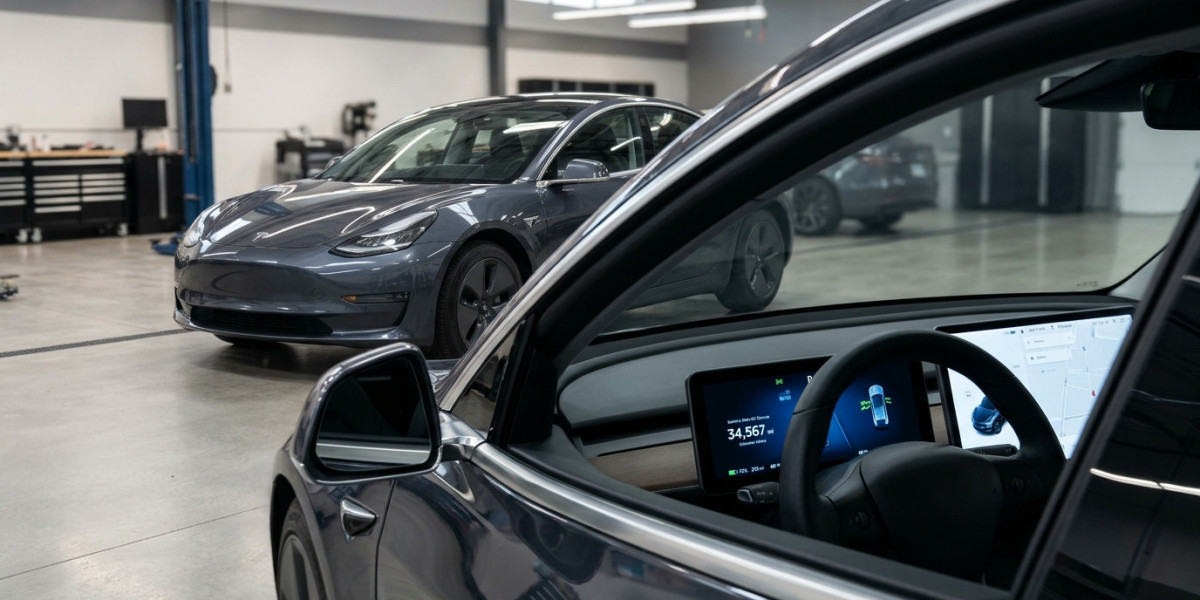

Electric vehicles have changed the way people think about driving, vehicle maintenance, and technology. Tesla is a good example of this change. Its cars rely on advanced software, digital displays, and connected systems to manage many everyday functions.
Because of these features, some Tesla owners and automotive enthusiasts have questions about mileage blockers and whether these devices are compatible with electric vehicles.
However, understanding compatibility requires more than checking whether a device can connect to a car. It is also important to consider how Tesla records mileage, how its electronic systems work, and what legal issues may arise.
How Does a Tesla Record Mileage?
Unlike older cars that use traditional mechanical odometers, Tesla vehicles display mileage through their digital systems. Drivers can check the distance covered through the vehicle's touchscreen and other available vehicle information.
The odometer plays an important role in understanding a vehicle's history. Mileage helps buyers estimate how much a car has been used and gives service professionals useful information when assessing its condition.
For electric vehicles, mileage is also worth considering alongside battery condition, charging habits, and general vehicle maintenance. Two Tesla cars with similar mileage may have different battery conditions depending on how they have been driven and maintained.
Drivers can also review a vehicle's recorded MOT history through the official UK MOT history service , which provides useful information about previous inspections and recorded mileage for eligible vehicles.
Are Mileage Blockers Compatible with Tesla Cars?
This is one of the most common questions among people researching mileage blockers for electric vehicles.
The answer is not as simple as choosing a device based on the vehicle manufacturer. Tesla uses electronic systems that differ from those found in many traditional petrol and diesel cars.
A device designed for one vehicle may not work with another, even when both vehicles have similar electronic features. Compatibility can depend on several factors, including the vehicle model, production year, electronic architecture, and software version.
When researching a Tesla mileage blocker , it is important to understand that general compatibility claims do not guarantee that a particular device will work with every Tesla model.
Tesla also releases software updates that can change how certain vehicle functions operate. This is another reason why compatibility information should be checked carefully rather than relying on general product descriptions.
Why Tesla's Electronic Systems Make Compatibility Different
Tesla vehicles are designed around connected electronic systems. Many vehicle functions are controlled or monitored through software rather than traditional mechanical components.
This creates several important considerations when evaluating electronic devices.
Different Vehicle Models Have Different Systems
Not every Tesla uses exactly the same hardware and software setup. Differences between models and production years can affect how electronic equipment communicates with the vehicle.
A device that claims to support one model should not automatically be considered suitable for another.
Software Updates Can Change Vehicle Behaviour
Tesla regularly provides software updates to improve vehicle performance, security, and functionality.
These updates can sometimes affect the way external electronic equipment interacts with a vehicle. Therefore, information about compatibility should always be current and specific to the vehicle being considered.
Electronic Data Is Important
Modern vehicles use electronic systems to record and display different types of information.
Mileage is particularly important because it helps establish a vehicle's usage history. Changing or interfering with mileage information can create problems when a vehicle is inspected, maintained, or sold.
Why Accurate Mileage Matters When Buying a Used Tesla
Mileage is one of the first things people check when shopping for a used car. However, it should never be the only factor influencing a buying decision.
For Tesla vehicles, buyers should consider several additional details.
Battery condition: The battery is one of the most important parts of an electric vehicle. Its condition can influence driving range and long-term ownership costs.
Service and maintenance history: Previous repairs and maintenance records help buyers understand how well the vehicle has been looked after.
Vehicle history: Previous inspections, recorded mileage, and ownership information can help establish whether the vehicle's history is consistent.
Charging habits: Charging practices and general usage can provide useful background when assessing an electric vehicle's condition.
The UK's Consumer Protection from Unfair Trading Regulations 2008 provides a legal framework addressing unfair commercial practices. Misrepresenting a vehicle's mileage when selling it can raise serious consumer protection concerns.
For buyers, checking several sources of vehicle information is much safer than relying on the displayed mileage alone.
What Should Tesla Owners Consider Before Choosing Electronic Accessories?
Before purchasing any electronic accessory for a Tesla, owners should take time to understand what the product does and whether it is suitable for their vehicle.
A few basic checks can help avoid unnecessary problems: