
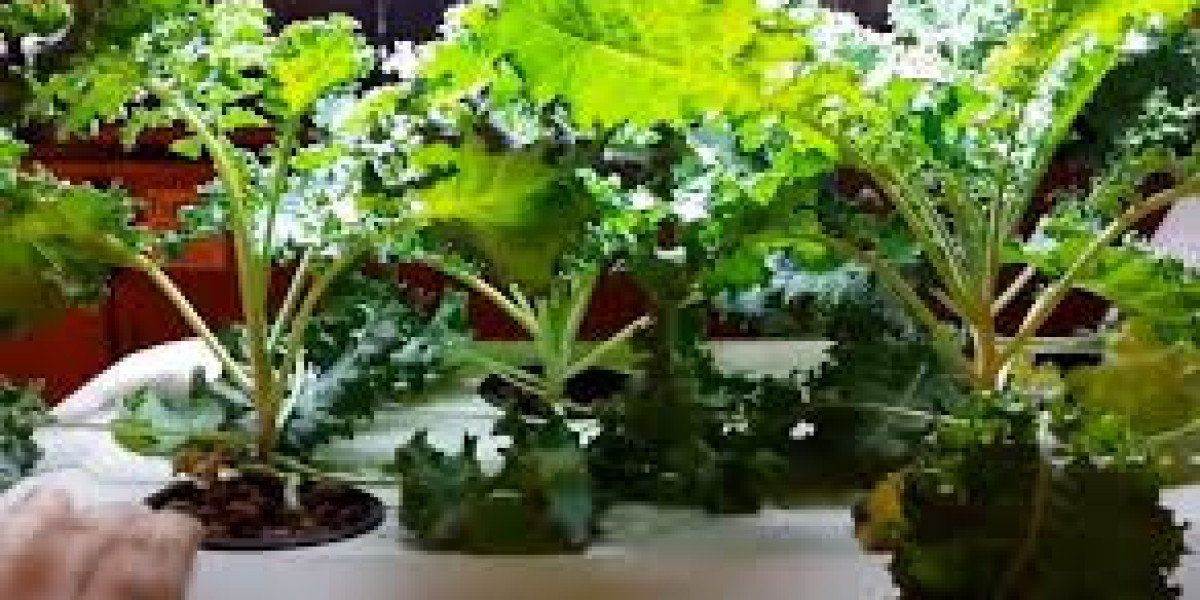

Kale has earned a reputation as a superfood—and for good reason. Packed with vitamins A, C, and K, iron, and fiber, this leafy green has long been a staple in health-conscious diets. But as the demand for fresh, nutrient-dense produce grows, traditional farming methods sometimes fall short due to climate variability, soil depletion, and space constraints. That’s where hydroponic kale steps in, offering an efficient, sustainable alternative to soil-grown crops.
What is Hydroponic Kale?
Hydroponic kale is kale that’s grown without soil, using a nutrient-rich water solution to deliver essential minerals directly to the plant's roots. This method of cultivation allows for precise control over growing conditions, resulting in faster growth, higher yields, and year-round production. Whether in small home systems or commercial greenhouses, hydroponic kale has become increasingly popular for its clean, eco-friendly growing process and consistently high quality.
Benefits of Growing Kale Hydroponically
1. Year-Round Harvests
One of the main advantages of hydroponic kale is that it can be grown indoors or in controlled environments, making seasonal limitations a thing of the past. This means fresher greens even in the dead of winter.
2. Faster Growth Rates
Kale grown hydroponically often matures more quickly than its soil-grown counterpart. The constant availability of nutrients and oxygen promotes rapid root development and lush leaf growth.
3. Reduced Water Usage
Despite relying on water as a medium, hydroponic systems use significantly less water than traditional agriculture. The closed-loop design of most hydroponic setups recirculates water, minimizing waste and environmental impact.
4. No Need for Pesticides
Since hydroponic systems are usually set up indoors or in greenhouses, they are less susceptible to pests and diseases. This means fewer chemical pesticides, resulting in cleaner, healthier greens for consumers.
5. Space Efficiency
Hydroponic setups can be vertical or stacked, allowing for a larger number of kale plants in a smaller footprint. This is especially beneficial in urban areas or regions with limited arable land.
Best Hydroponic Systems for Kale
For those interested in growing hydroponic kale at home or commercially, there are a few system types to consider:
Nutrient Film Technique (NFT): Ideal for lightweight plants like kale, NFT systems allow a thin film of nutrient solution to flow over the roots.
Deep Water Culture (DWC): This system keeps plant roots submerged in oxygenated water, promoting steady growth and robust yields.
Ebb and Flow: Also known as flood and drain, this system periodically floods the root zone with nutrients, then drains it away to provide aeration.
Taste and Texture
Hydroponic kale is often described as more tender and less bitter than field-grown varieties. This is due to the controlled environment, where stress factors like drought, pests, and nutrient deficiencies are minimized. Whether it’s curly, dinosaur (lacinato), or red Russian kale, hydroponically grown varieties retain their rich, earthy flavor and high nutritional content.
Where to Find Hydroponic Kale
Many local farmers' markets and health food stores now carry hydroponically grown produce. Additionally, specialty growers like Rochester Hydroponics offer kale and other greens that are cultivated with sustainability and freshness in mind.
Final Thoughts
Hydroponic kale is not just a trend—it’s a sustainable answer to growing demands for nutrient-rich, clean produce in a world of changing climates and limited resources. Whether you’re a home gardener looking to experiment with hydroponics or a consumer seeking fresher greens, this innovative growing method offers a flavorful and nutritious solution. As hydroponic technology continues to evolve, the future of kale—and leafy greens in general—is looking greener than ever.