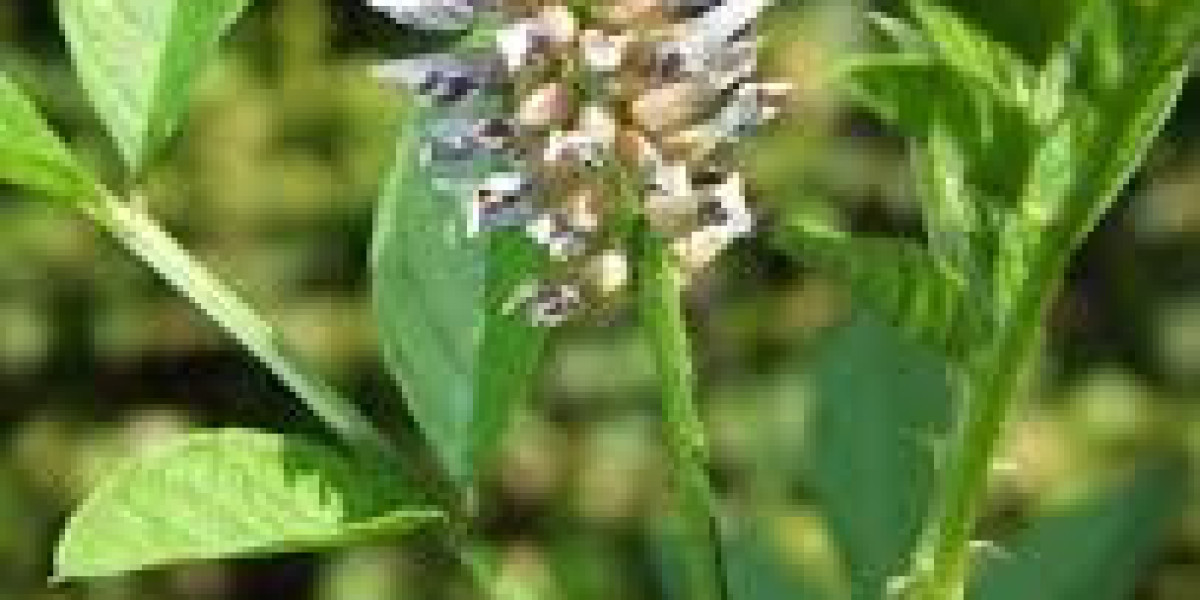

The licorice plant (Glycyrrhiza glabra) has long been celebrated for both its medicinal value and its unique flavor. Native to parts of Europe and Asia, this hardy perennial herb is best known for producing licorice root — the source of the sweet, slightly bitter taste found in licorice candy, teas, and natural remedies. But beyond its familiar flavor, the licorice plant offers a wealth of health benefits that have earned it a place in traditional medicine systems like Ayurveda, Traditional Chinese Medicine, and Greco-Arab medicine.
A Botanical Overview
The licorice plant belongs to the legume family (Fabaceae) and typically grows up to 3 to 5 feet tall. It thrives in deep, fertile, well-drained soils and sunny climates. Its flowers are purple to pale blue and resemble pea flowers, while its roots run deep and are harvested after about two to three years of growth.
The part of the plant used medicinally is its root, which contains an active compound called glycyrrhizin — a saponin glycoside that is 30 to 50 times sweeter than sugar. Other important components include flavonoids, coumarins, and volatile oils, all contributing to its therapeutic properties.
Medicinal Benefits of Licorice Root
Licorice root has been used for centuries to treat a variety of health conditions. Here are some of its most notable benefits:
1. Digestive Support
Licorice root is commonly used to soothe gastrointestinal issues, including acid reflux, ulcers, and indigestion. It acts as a demulcent, forming a protective coating over the stomach lining and reducing inflammation.
2. Anti-inflammatory and Immune Support
The glycyrrhizin in licorice root possesses anti-inflammatory and antiviral properties. It has been studied for its effectiveness in treating respiratory conditions such as bronchitis, asthma, and sore throat by helping to reduce irritation and stimulate mucus secretion.
3. Adrenal Health
Licorice root may help support the adrenal glands and reduce cortisol breakdown, making it a popular adaptogen used to combat stress and fatigue.
4. Skin Conditions
Topical applications of licorice extract can help soothe eczema, psoriasis, and acne due to its anti-inflammatory and antimicrobial properties.
Caution and Usage
While licorice root offers many health benefits, it must be used with caution. Excessive consumption of glycyrrhizin can lead to side effects like high blood pressure, low potassium levels, and water retention. For this reason, deglycyrrhizinated licorice (DGL) is often used in supplements to provide the benefits without the risks associated with glycyrrhizin.
Always consult a healthcare provider before using licorice root, especially if you are pregnant, have heart disease, or are taking medication for blood pressure or hormone-related conditions.
Licorice in Modern Products
Today, the licorice plant is not only valued for its medicinal uses but is also a key ingredient in natural cosmetics, herbal teas, and even plant-based sweeteners. It continues to be a focus of research due to its wide-ranging biological effects.
If you're looking to explore the power of plant-based health, SuperiorHydrola.com offers a range of natural products, including those made from licorice root and other botanicals, carefully formulated for quality and potency.
Growing Your Own Licorice
For the gardening enthusiast, growing licorice plant at home can be rewarding. It prefers a warm climate and requires patience, as the roots need at least two years to develop for harvest. Ensure well-drained soil and regular watering. Once established, it can be harvested and dried for home use in teas and extracts.
From traditional medicine to modern herbal supplements, the licorice plant remains a potent natural remedy with a rich legacy. Whether consumed for digestive health, stress relief, or skincare, it continues to offer value across cultures and centuries. As interest in natural wellness grows, the licorice plant’s role in holistic health is more relevant than ever.