
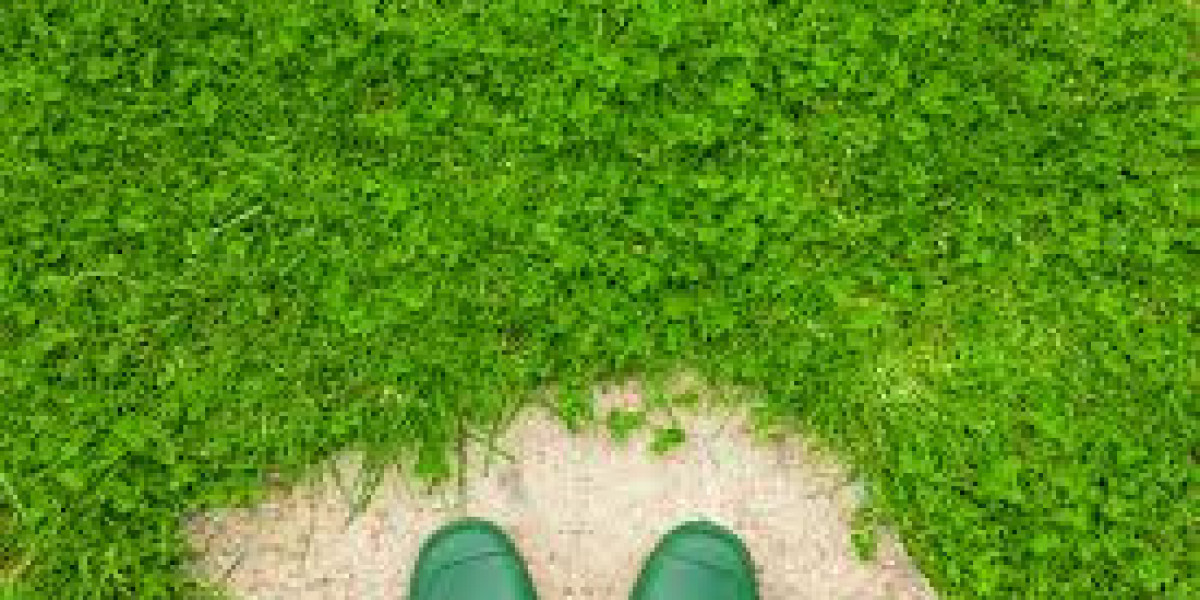

Clover lawns are growing in popularity as homeowners seek sustainable, low-maintenance alternatives to traditional turfgrass. Offering aesthetic appeal, environmental benefits, and reduced upkeep, a clover lawn is not just a trend—it’s a smart choice for those looking to create greener, more resilient yards.
What Is a Clover Lawn?
A clover lawn uses clover—either mixed with grass or on its own—as the primary ground cover. The most common type used is white clover (Trifolium repens), a low-growing perennial that thrives in various climates and soil types. Some homeowners also plant microclover, a smaller, less flowering variety that blends well with grass and provides a more uniform look.
Benefits of Choosing Clover
Low Maintenance
Clover requires less mowing than grass, especially in the heat of summer. It stays green with minimal watering and doesn’t need the constant trimming that turfgrass demands.No Need for Fertilizers
Clover is a legume, meaning it naturally fixes nitrogen from the air and enriches the soil. This self-fertilizing ability eliminates the need for chemical fertilizers and improves soil health over time.Drought Tolerant
Unlike traditional lawns that may turn brown in dry spells, clover remains green and lush with minimal water, making it ideal for areas facing water restrictions or hot, dry weather.Soft Texture and Appearance
Clover has a soft, cushiony texture that feels pleasant underfoot. It adds a lush, rich green hue to lawns and often includes small white blossoms that can enhance your yard’s visual appeal.Pollinator Friendly
Clover flowers attract bees, butterflies, and other beneficial insects, promoting biodiversity. However, for those who prefer fewer bees due to allergies or young children, microclover is a great option because it blooms less frequently.
Challenges of Clover Lawns
While clover lawns offer many advantages, they aren’t for everyone. Clover can stain clothing when wet and doesn’t handle heavy foot traffic as well as some grass types. It also may not thrive in areas with intense shade or overly acidic soil unless properly amended.
Clover Lawn Varieties
White Dutch Clover: The most popular type, great for mixed grass lawns.
Microclover: A modern, refined variety ideal for a uniform appearance.
Red Clover: Taller and more suited for meadows or large open spaces.
Depending on your goals—whether you want a full clover lawn or a blend—selecting the right variety is key to success.
Installation and Maintenance
Installing a clover lawn is simple. You can overseed an existing lawn with clover or start from scratch on bare soil. Fall and spring are the best times for planting. Lightly rake the area, broadcast the seed, water consistently during germination, and avoid using herbicides, as most will kill clover along with weeds.
Maintenance is minimal. Mow infrequently, water during prolonged droughts, and enjoy a lush, green lawn without chemical input. For those interested in professional help, companies like emeraldlawnandturf.com offer eco-conscious solutions for sustainable lawn installations.
A Smarter Lawn Choice
A Clover lawn reflects a shift in lawn care philosophy—from high-maintenance, resource-hungry turf to practical, environmentally friendly alternatives. They support pollinators, require fewer resources, and offer natural beauty with little effort.
Whether you're transforming a backyard, managing a front yard upgrade, or simply tired of the endless maintenance that comes with conventional grass, switching to clover could be the solution you’ve been looking for. With climate concerns and water conservation becoming more important, a clover lawn makes both ecological and economic sense.