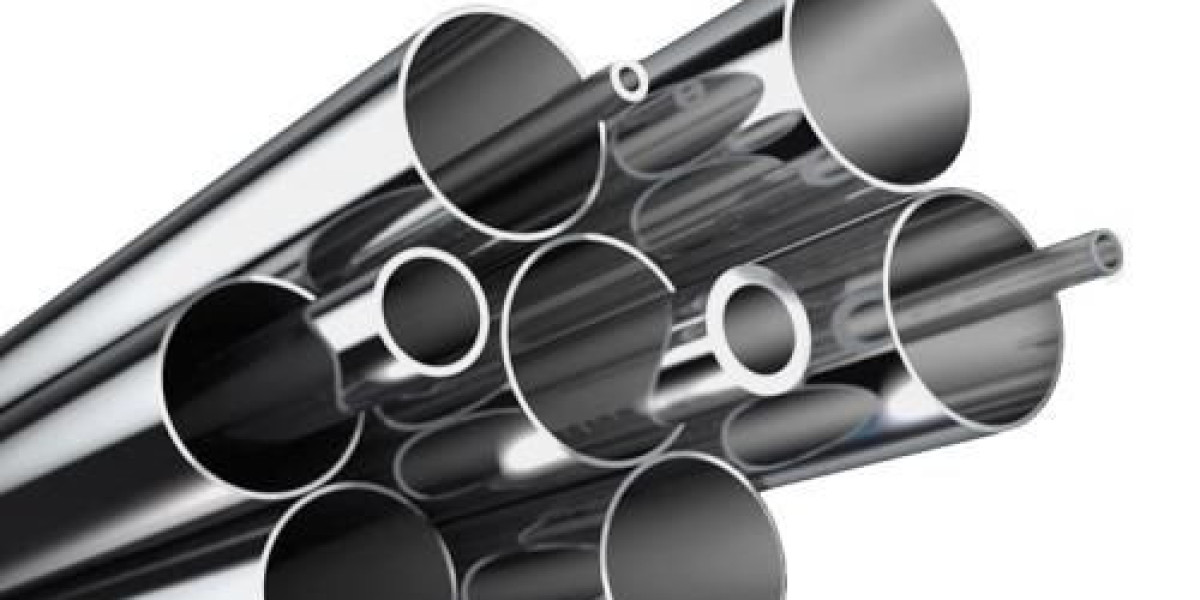

When it comes to handling highly corrosive materials, not all pipes are created equal. For industries facing aggressive chemical conditions, Alloy 20 Pipe has become the go-to material. Its excellent resistance to sulfuric acid and other harsh chemicals makes it a top performer in some of the most demanding industries worldwide.
In this blog, we will explore the properties, advantages, applications, and common standards of Alloy 20 Pipe. If your operations depend on durability and chemical resistance, this guide will help you understand why Alloy 20 is a smart investment.
What is Alloy 20?
Alloy 20, also known as Carpenter 20, is an austenitic alloy composed of nickel, iron, and chromium. It also contains copper and molybdenum, which significantly enhance its corrosion-resistant properties. The alloy was originally designed to resist sulfuric acid, one of the most aggressive industrial chemicals.
Its chemical composition includes:
Nickel: 32–38%
Chromium: 19–21%
Molybdenum: 2–3%
Copper: 3–4%
Iron: Balance
Niobium: Added to prevent sensitization and intergranular corrosion
Key Features of Alloy 20 Pipe
1. Superior Corrosion Resistance
Alloy 20 Pipe shows excellent resistance to pitting, crevice corrosion, and stress-corrosion cracking in chloride-rich environments. It stands up well against sulfuric, nitric, and phosphoric acids, making it ideal for chemical processing.
2. Outstanding Mechanical Strength
Even in elevated temperatures, Alloy 20 retains high tensile strength and pressure-handling capacity. This makes it a reliable choice for high-stress systems like heat exchangers and pressure vessels.
3. Great Workability
This alloy can be easily machined and welded using conventional techniques. It doesn’t require complex fabrication processes, which helps reduce manufacturing costs and lead times.
4. Resistance to Chloride Stress Cracking
In many stainless steel alloys, chloride stress corrosion cracking is a risk. Alloy 20 minimizes this issue, making it a trusted material in marine and offshore industries.
Applications of Alloy 20 Pipe
Because of its chemical and mechanical advantages, Alloy 20 Pipe is used in a wide range of industries:
✔ Chemical and Petrochemical Industry
In environments where sulfuric acid and other chemicals are handled daily, Alloy 20 provides the required resistance to corrosion and heat. It is used in reactors, heat exchangers, piping systems, and tanks.
✔ Food and Beverage Processing
Alloy 20 Pipe is used for handling acidic food ingredients and cleaning agents. It maintains hygiene standards and resists attack from organic acids.
✔ Pharmaceuticals
In drug manufacturing, corrosion resistance and product purity are critical. Alloy 20 ensures clean transfer of chemicals and solutions without contamination.
✔ Marine Applications
Saltwater, humidity, and chloride-rich conditions make corrosion a big problem in marine settings. Alloy 20 performs well in these situations and is used in piping systems on ships and offshore platforms.
✔ Power Generation
In plants where heat and chemical exposure are common, Alloy 20 pipes are used for feedwater systems, condensers, and boiler piping.
Benefits of Choosing Alloy 20 Pipe
✅ Long-Term Durability
Alloy 20’s unique chemical makeup allows it to last significantly longer than traditional stainless steels in corrosive environments.
✅ Low Maintenance
With better resistance to wear and corrosion, Alloy 20 Pipe requires less frequent maintenance, helping reduce downtime and repair costs.
✅ High Performance in Acidic Conditions
Its unmatched resistance to sulfuric acid makes it a clear winner in chemical applications where other materials may fail.
✅ Versatility
Available in a variety of sizes and schedules, Alloy 20 Pipe can meet both general and custom industrial requirements.
Available Forms and Sizes
Alloy 20 Pipe is manufactured in both seamless and welded forms:
Seamless Pipe: Ideal for high-pressure applications. Offers better strength and uniformity.
Welded Pipe: Suitable for less demanding applications. Offers cost efficiency and good corrosion resistance.
Standard Pipe Sizes:
Outer Diameter: 1/8” to 24”
Wall Thickness: Schedule 10 to Schedule 160 and custom
Lengths: Single random, double random, or custom cut lengths
Standards and Specifications
Alloy 20 Pipes are manufactured as per global quality standards such as:
ASTM B729 – Seamless and Welded Pipes
ASTM B464 – Welded Pipe
ASTM B775 – Welded Pipe with added testing
ASME SB729 / SB464 / SB775 – Equivalent ASME standards
These standards ensure consistent quality, strength, and corrosion performance.
Fabrication and Welding
Alloy 20 can be easily fabricated using standard industrial methods. It is weldable by most conventional methods like TIG, MIG, and SMAW. Pre-heating is not required, and post-weld heat treatment is generally not needed, though stress relief may be done in some critical applications.
To avoid contamination, use dedicated tools and avoid cross-contamination with carbon steels during fabrication.
Tips for Handling and Storage
Store in a dry, clean space to prevent surface damage.
Use soft slings for lifting to avoid scratches.
Avoid exposure to acidic cleaning agents during storage.
Alloy 20 vs Other Alloys
| Property | Alloy 20 | Stainless Steel 316 | Hastelloy C276 |
|---|---|---|---|
| Sulfuric Acid Resistance | Excellent | Moderate | Excellent |
| Chloride Resistance | High | Good | Very High |
| Cost | Moderate | Low | High |
| Workability | Easy | Easy | Moderate |
Alloy 20 provides a perfect balance between cost, performance, and corrosion resistance.
Conclusion
Alloy 20 Pipe offers a superior combination of corrosion resistance, strength, and workability. Its proven performance in harsh environments makes it a trusted solution for a variety of industries—from chemical and marine to food processing and pharmaceuticals. If your application involves aggressive chemicals or high-temperature environments, Alloy 20 is a pipe material you can count on.
Whether you need seamless or welded pipes, always choose a supplier who can provide material test reports, third-party inspection, and global quality certifications.