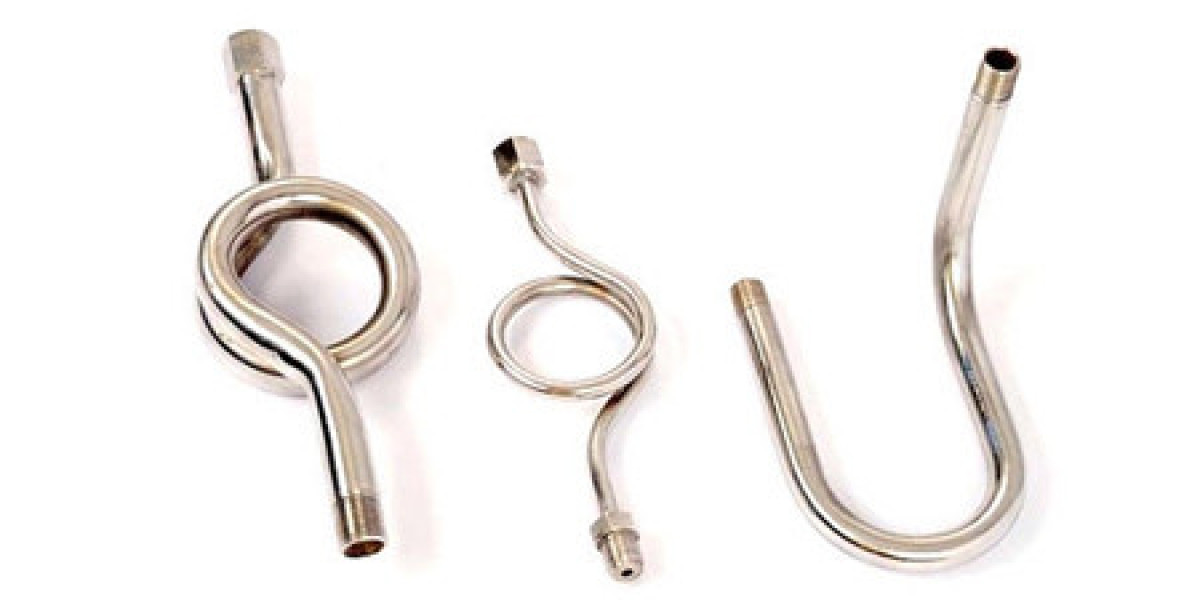

In industries where high-temperature fluids like steam are used, protecting sensitive instruments is vital. A syphon pipe plays a crucial role in safeguarding pressure gauges and transmitters from damage caused by extreme heat. This small yet significant component is a must-have in various piping systems, particularly those handling steam.
This blog dives deep into the world of syphon pipes—what they are, how they work, where they are used, and why they're essential in industrial operations.
What Is a Syphon Pipe?
A syphon pipe is a curved or coiled tube installed between a pressure gauge and a high-temperature process line. Its main function is to protect measuring instruments from direct contact with hot steam or gases.
By holding a small amount of condensate (water), the syphon pipe acts as a barrier between the hot medium and the gauge. This prevents heat from damaging the delicate internal parts of pressure measurement devices.
How Does a Syphon Pipe Work?
The working of a syphon pipe is based on a simple principle: condensation and heat insulation. When high-temperature steam enters the pipe, part of it condenses into water due to the shape and design of the pipe (U-bend or coil). This condensed water remains in the lowest point of the pipe and forms a cooling barrier.
This barrier insulates the pressure gauge from high heat, allowing it to function correctly without suffering from thermal damage.
Key Roles of the Syphon Pipe:
Cools down hot steam before it reaches the gauge
Maintains a stable barrier of water to protect sensitive parts
Enables accurate pressure readings under extreme conditions
Common Types of Syphon Pipes
Syphon pipes come in several designs depending on how they’re installed and the level of cooling required. The most widely used types are:
1. U-Type Syphon Pipe (Pigtail)
Resembles the shape of a pig's tail or a U-bend
Best for vertical mounting of pressure gauges
Offers a short path for steam condensation
Compact and easy to install
2. Coil-Type Syphon Pipe
Has a spiral or coil design
Suitable for horizontal installation
Provides an extended surface area for heat dissipation
Ideal for systems with very high steam temperatures
Materials Used in Syphon Pipes
Material selection depends on pressure, temperature, and the type of medium flowing through the pipe. Some commonly used materials include:
Stainless Steel (304/316): Corrosion-resistant and ideal for high-temperature environments
Carbon Steel: Durable and cost-effective for general applications
Brass: Used in less corrosive and low-pressure systems
Alloy Steel: Suitable for very high-pressure and temperature operations
Always choose the material based on compatibility with the fluid, operating temperature, and environmental conditions.
Applications of Syphon Pipes
Syphon pipes are widely used in systems where steam, hot gas, or high-pressure fluids are measured. Key applications include:
1. Steam Boilers
Protect pressure gauges connected to boiler drums or steam headers.
2. Thermal Power Plants
Used to monitor steam pressure in turbines, heaters, and pipelines.
3. Chemical and Petrochemical Plants
Helps in safeguarding instruments from hot and corrosive fluids.
4. Refineries
Monitors pressure in high-temperature pipelines carrying gases or liquids.
5. Heating Systems (HVAC)
Maintains reliable pressure readings in hot water or steam-based HVAC systems.
6. Pharmaceutical and Food Industries
Used in clean steam lines to ensure hygienic processing conditions without compromising instrument performance.
Benefits of Using a Syphon Pipe
Installing a syphon pipe brings multiple benefits to industrial systems, especially those dealing with heat-sensitive equipment:
✅ Protects Gauges from Heat
It forms a protective barrier against high-temperature steam and gases, preventing internal damage to instruments.
✅ Improves Accuracy
Maintains a constant temperature at the measurement point, leading to accurate and reliable readings.
✅ Extends Equipment Life
Reduces the risk of thermal fatigue in pressure gauges, transmitters, and related instruments.
✅ Minimizes Maintenance
By reducing damage and wear, syphon pipes help lower maintenance needs and downtime.
✅ Easy Integration
Syphon pipes are simple to install and compatible with a wide range of instruments and pipe fittings.
Best Practices for Installing a Syphon Pipe
Correct installation ensures the syphon pipe performs efficiently. Here are a few essential tips:
Pre-Fill with Water: Before attaching the pressure gauge, fill the syphon with water to create an instant barrier.
Choose the Right Type: Use U-type for vertical applications and coil-type for horizontal ones.
Ensure Proper Alignment: Install the pipe in a way that the bend or coil remains at the lowest point to collect condensate effectively.
Check for Leakage: Always inspect joints and connections to avoid steam leaks.
Periodic Maintenance: Flush out the syphon pipe if scale or debris builds up, as this may hinder condensation and cooling.
Common Mistakes to Avoid
❌ Installing without filling with water
❌ Using incorrect material for corrosive environments
❌ Placing coil-type vertically or U-type horizontally
❌ Ignoring regular inspection and cleaning
Avoiding these mistakes helps your syphon pipe last longer and ensures reliable system performance.
Conclusion
A syphon pipe may seem like a minor component, but it plays a critical role in maintaining the safety, accuracy, and longevity of pressure measurement systems. Whether in a steam boiler, power plant, or chemical unit, syphon pipes are an essential part of the instrumentation setup.