
As industries push for sustainability and cost-efficiency, one term that continues to gain traction is brass scrap. Far from being waste, brass scrap is a reusable resource that plays a major role in the circular economy. Whether you’re in manufacturing, plumbing, or metal trading, understanding the value of brass scrap can offer both environmental and financial benefits.
What is Brass Scrap?
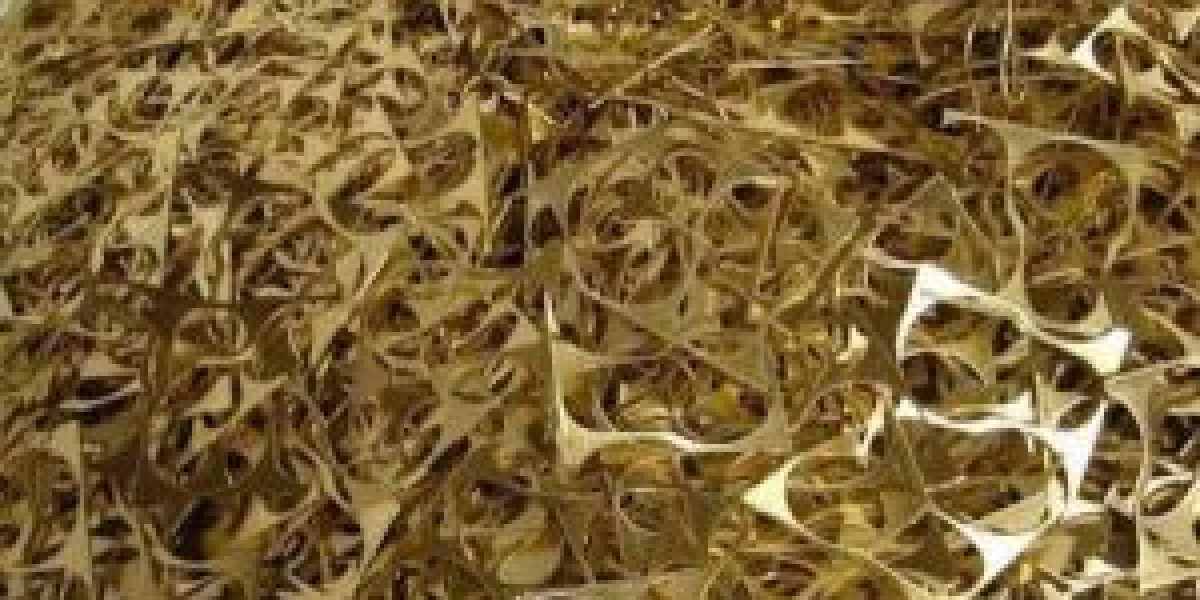
Brass scrap refers to any leftover or used brass material that’s no longer needed in its original form. Brass, an alloy of copper and zinc, is commonly used in plumbing fixtures, hardware, decorative pieces, electrical terminals, and more. When these items are discarded, broken, or no longer in use, they are collected and processed as brass scrap.
The beauty of brass lies in its recyclability. It can be melted down and reused without losing its strength or corrosion resistance.
Common Sources of Brass Scrap
Brass scrap is generated from a variety of industries and consumer goods. Here are some of the most common sources:
Plumbing waste such as old taps, valves, and pipe fittings.
Machining operations that produce brass shavings and turnings.
Construction and demolition sites with brass fixtures or decorative elements.
Automotive and electrical parts like terminals, radiator cores, and connectors.
Household items including locks, doorknobs, keys, and lighting components.
India, being a manufacturing and export hub, produces large volumes of brass waste, which can be a valuable input for secondary production.
Grades and Categories of Brass Scrap
Brass scrap is not uniform. It is categorized based on its chemical composition, cleanliness, and physical form. Here are a few standard types:
1. Yellow Brass Scrap
Most plumbing items fall under this category. It typically contains 60% copper and 40% zinc. It is widely available and highly recyclable.
2. Red Brass Scrap
Rich in copper (about 85%) with traces of tin and lead, red brass is often used in marine and industrial valves. It commands a higher price in the scrap market.
3. Mixed Brass
This includes unsegregated brass alloys. It needs sorting and sometimes refining before recycling.
4. Brass Turnings
These are fine shavings or chips from machining processes. They usually need cleaning due to oil or coolant contamination.
5. Plated Brass
This type has an outer layer of metals like chrome or nickel, requiring de-plating during recycling.
Brass Scrap Recycling Process
Brass scrap recycling involves several steps, each designed to extract the maximum value from discarded material.
1. Collection
Scrap is gathered from manufacturers, workshops, demolition sites, and scrap dealers.
2. Sorting
Scrap is sorted by grade and form. This step determines its price and suitability for various recycling uses.
3. Cleaning
Before melting, scrap must be cleaned to remove grease, paint, or other impurities. This step improves the quality of recycled metal.
4. Melting
Clean brass scrap is melted in furnaces at high temperatures. Impurities float to the surface and are removed.
5. Casting or Forming
The molten brass is cast into ingots, rods, or sheets, which are then used to produce new products.
Recycling allows brass to retain its mechanical and chemical properties, making it an ideal material for reuse.
Why Recycle Brass Scrap?
The benefits of brass scrap recycling extend far beyond monetary value. Here’s why it matters:
1. Cost Savings
Producing brass from scrap is more cost-effective than extracting new metals. It reduces energy costs, labor, and raw material expenses.
2. Energy Efficiency
Recycling brass uses only a fraction of the energy needed to produce it from mined ores, cutting down greenhouse gas emissions.
3. Environmental Protection
Mining disrupts landscapes and ecosystems. Recycling brass helps preserve natural resources and reduces industrial waste.
4. Sustainability
Brass can be recycled indefinitely without degrading. This makes it a sustainable material for long-term industrial use.
5. Job Creation
The scrap recycling industry provides jobs across collection, sorting, transport, and refining sectors.
Applications of Recycled Brass
Recycled brass is just as reliable as virgin brass. Industries across the board use it to create a wide range of products:
Pipe fittings, taps, and valves
Electrical terminals and connectors
Musical instruments and hardware
Car radiators and heat exchangers
Jewelry and decorative pieces
The flexibility and durability of brass make it a preferred choice across plumbing, automotive, architectural, and electrical sectors.
Brass Scrap Market in India
India is a major player in the global brass scrap market. Cities like Jamnagar in Gujarat are famous for their brass recycling units. Brass scrap is imported, refined, and used to manufacture various components that are then exported worldwide.
The demand for quality brass scrap in India continues to rise as industries focus on sustainability and cost optimization. Government support through initiatives like the National Resource Efficiency Policy also encourages metal recycling and waste reduction.
How to Evaluate Brass Scrap Quality
If you’re planning to buy or sell brass scrap, consider these quality checks:
Visual Inspection: Look for the typical yellowish color of brass.
Weight Check: Brass is heavier than aluminum and feels solid.
Magnet Test: Brass is non-magnetic. If it sticks to a magnet, it likely contains ferrous metals.
Spark Test: Unlike steel, brass won’t spark when ground.
Chemical Analysis: For bulk trading, a lab test can confirm metal content.
Working with verified scrap dealers or suppliers ensures fair pricing and reliable quality.
Tips for Buying Brass Scrap
Know the Grade: Ensure you're buying the right type (yellow, red, mixed, etc.) for your use.
Check for Cleanliness: Oily or painted scrap fetches a lower price due to cleaning requirements.
Compare Market Rates: Brass prices fluctuate daily. Stay updated through scrap market websites.
Buy from Trusted Suppliers: Reliable vendors reduce the risk of contamination or misclassification.
Final Thoughts
Brass scrap plays a critical role in reducing industrial costs, conserving resources, and protecting the environment. By recycling brass, we not only reduce dependence on raw material mining but also contribute to a sustainable future.