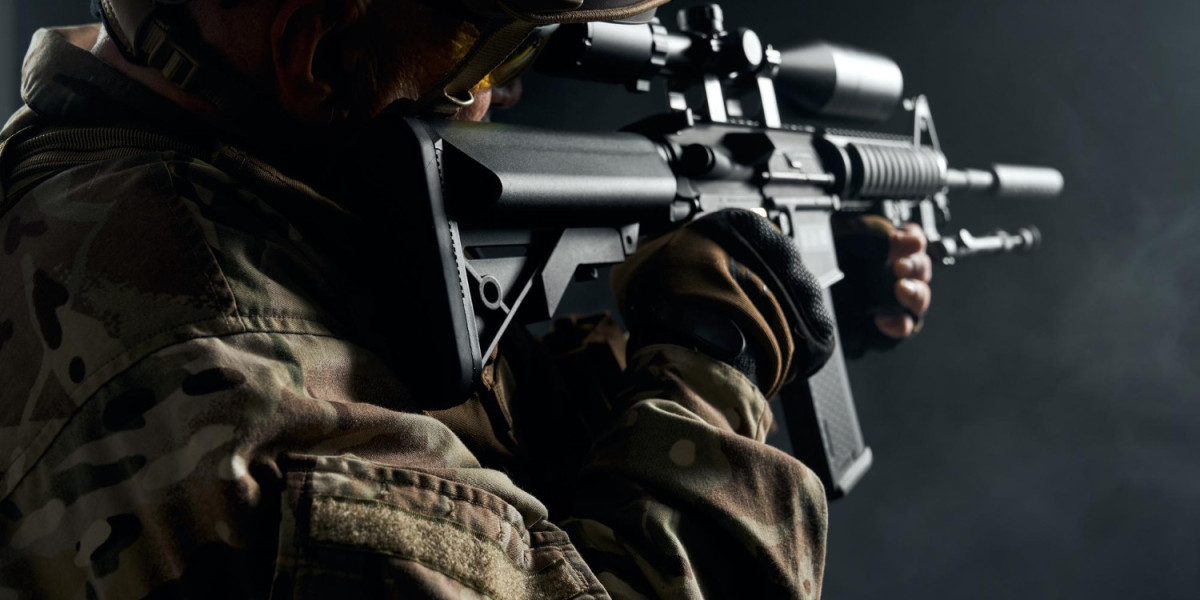

In a world where personal safety is a growing concern, having the right tools for self-defense is not only wise—it’s essential. Whether you're protecting your home, family, or yourself while on the move, the choice of non-lethal defensive weapons like air guns and tasers can give you the peace of mind you deserve.
This guide explores everything you need to know about air guns and tasers, their practical applications, the differences between them, and why they’re becoming increasingly popular for self-defense across South Africa. By the end of this post, you'll be better equipped to choose the right gear for your needs—whether you're a cautious homeowner or someone seeking an everyday safety solution.
Why More South Africans Are Turning to Non-Lethal Self-Defense Tools
South Africa has long grappled with high crime rates, especially in urban areas. For many, owning a firearm isn't always feasible due to strict gun control laws, licensing requirements, and safety concerns. That’s where non-lethal weapons like air guns and tasers come into play. They provide a way to protect yourself without the risks associated with traditional firearms.
Benefits of Non-Lethal Weapons:
Accessible: Easier to acquire than firearms and often without complex licensing.
Legal Flexibility: Generally allowed for use in personal defense, provided local regulations are followed.
Safe and Responsible: Reduced risk of fatal accidents while still offering effective deterrence.
Affordability: Less expensive to buy, maintain, and train with compared to traditional weapons.
What is an Air Gun?
An air gun is a type of firearm that uses compressed air or gas to fire projectiles such as pellets or BBs. Unlike traditional firearms that use gunpowder, air guns rely on mechanical force—making them legal in many contexts where standard guns are restricted.
One of the most reputable brands in this category is Artemis, known for manufacturing high-performance air rifles and pistols. You can explore their full range here.
Types of Air Guns:
Spring-Piston Air Rifles: Use a coiled spring and piston mechanism. Ideal for target shooting.
CO₂ Air Guns: Use carbon dioxide cartridges to power the shot. Easy to use and suitable for self-defense.
Pre-Charged Pneumatic (PCP): High-pressure air reservoirs for consistent performance and higher velocities.
Air Guns for Self-Defense: Do They Work?
Yes—and here’s how.
While air guns are typically not lethal, many high-powered models can inflict serious pain, disarm, or deter an intruder. Their realistic appearance, sharp noise, and the ability to shoot at high velocities (often over 400 fps) make them a powerful visual and physical deterrent.
Advantages in Self-Defense Situations:
Standoff Deterrence: Just brandishing an air gun may be enough to stop an attacker.
Pain Compliance: A well-aimed shot to an arm or leg can disable an assailant temporarily.
No Licensing Hassle: In most cases, owning an air gun doesn’t require a firearm license in South Africa.
However, it’s important to note that air guns are most effective when used with good judgment. They’re not replacements for professional intervention but serve as a crucial first line of defense.
Top Artemis Air Guns for Beginners and Enthusiasts
Artemis, available through BNT Online, produces some of the most trusted air guns on the market.
Recommended Models:
Artemis CP2 – A versatile CO₂-powered pistol/rifle combo, great for both beginners and intermediate users.
Artemis SR1000S – A powerful spring-piston air rifle designed for precision and stopping power.
Artemis P15 PCP – For more serious users, this pre-charged pneumatic air rifle offers remarkable accuracy and minimal recoil.
Each model offers a blend of performance, ease of use, and affordability—making them ideal for self-defense and sport shooting.
What is a Taser and How Does it Work?
A taser (also referred to as a stun gun) is an electroshock weapon that incapacitates attackers by delivering high-voltage, low-current electricity. It disrupts voluntary muscle control, causing temporary immobilization.
Unlike air guns, which require aiming and a projectile to work, tasers work upon direct contact or close-range electrical discharge, making them incredibly effective in tight quarters or surprise situations.
You can find a wide range of tasers and stun devices tailored for civilian use here.
Why Tasers Are Effective for Self-Defense
Tasers are one of the most direct and effective tools for immediate self-defense, especially for people who may not be comfortable with handling firearms.
Key Benefits:
Instant Incapacitation: Temporarily disables attackers, allowing time to escape or call for help.
No Long-Term Harm: Designed to incapacitate without causing lasting injury.
Compact and Concealable: Fits in handbags, glove compartments, or even pockets.
User-Friendly: Requires minimal training and no precise aiming.
These advantages make tasers especially appealing for women, seniors, and others who may prefer a non-projectile defense method.
Comparing Air Guns vs. Tasers: Which Is Right for You?
Feature | Air Gun | Taser |
Range | Long-range (10–50 meters) | Close-range (contact to ~5 meters) |
Licensing | Often not required | Often not required |
Reusability | High (multiple shots or gas cartridges) | Moderate (battery and charge-dependent) |
Deterrence Level | High (looks like a real gun) | High (immediate shock response) |
Ideal For | Home defense, tactical scenarios | Personal carry, close-quarters self-defense |
Our Take:
If you're looking to guard your property or train with a tactical tool, an air gun may be your best bet. For close-range, emergency self-defense, especially while walking or commuting, a taser might be the better option.
Safety, Storage, and Legal Considerations in South Africa
Is it legal to carry an air gun or taser in South Africa?
Generally, yes, but with some guidelines:
Air Guns: Legal for ownership and use without a license if muzzle energy is below 8 joules. However, carrying it in public or using it as a threat could lead to legal complications.
Tasers/Stun Devices: Legal to carry and use in self-defense, but like all weapons, should be used responsibly and only when necessary.
Tips for Safe Use and Storage:
Store in a locked case when not in use.
Keep out of children’s reach at all times.
Practice proper handling with training or simulated drills.
Check local laws regularly for any updates or restrictions.
Conclusion: Empower Yourself with the Right Tools
In today’s uncertain world, taking responsibility for your personal safety is a smart move. Whether you’re defending your home or safeguarding yourself while out and about, tools like air guns and tasers offer peace of mind without the complications of owning a firearm.
For high-quality air guns, especially the trusted Artemis brand, or reliable tasers for self-defense, visit BNT Online—your one-stop shop for tactical and personal security gear in South Africa.
Empower yourself, stay prepared, and take the first step toward greater personal security today.
Frequently Asked Questions (FAQs)
1. Do I need a license to buy an air gun in South Africa?
No license is required for air guns with a muzzle energy below 8 joules. However, misuse—especially in public spaces—can still result in legal action.
2. Are tasers legal for self-defense in South Africa?
Yes, tasers and stun devices are legal to own and carry for self-defense. Always use them responsibly and only when you are threatened.
3. Which is more effective for stopping an attacker—an air gun or a taser?
Both are effective but serve different purposes. Air guns can deter from a distance, while tasers are better for close-quarters defense.
4. Can I carry a taser in my handbag or car?
Yes, tasers are compact and can be carried in a handbag or glove box. Make sure it’s easily accessible in case of an emergency.
5. How often do I need to replace air gun gas cartridges or taser batteries?
For air guns, CO₂ cartridges may last for 30–50 shots depending on the model. Taser batteries should be checked monthly and replaced annually or after heavy use.
6. Where can I find quality air guns and tasers in South Africa?
Visit BNT Online to browse top-rated air guns, including the Artemis line, and reliable tasers and stun devices.