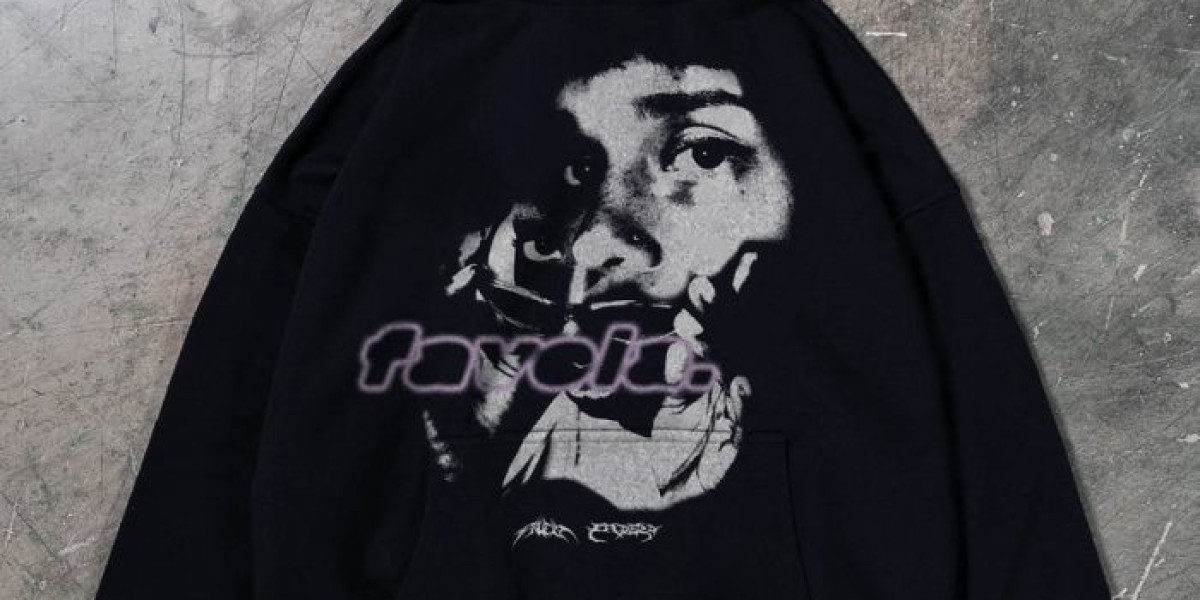

In recent years, a surge of culturally rich, edgy, and unapologetically raw fashion brands has taken center stage in the global streetwear scene. Among these, Favela clothing stands out not just for its style, but for its compelling story and social resonance. Rooted deeply in the gritty, colorful landscapes of Brazil’s marginalized neighborhoods known as favelas, this clothing movement has grown from a grassroots expression of identity and resistance into a full-fledged fashion revolution. But Favela clothing is more than just a trend—it is a testament to the resilience, creativity, and vibrancy of communities that have long been overlooked.
Understanding the Origins: From Margins to Mainstream
The term "favela" refers to informal urban communities in Brazil, often located on the outskirts of major cities like Rio de Janeiro and São Paulo. Historically associated with poverty, crime, and neglect, these neighborhoods have also birthed some of the country’s most dynamic cultural expressions—music genres like funk carioca, graffiti art, samba rhythms, and a rich street style that blends resourcefulness with flair.
Favela clothing takes inspiration directly from this ecosystem. It is not defined by polished catwalks or traditional fashion schools but by the lived experiences of young Brazilians turning adversity into art. The origins of this fashion lie in the need for self-expression and social commentary. In a setting where economic limitations often restrict access to high-end fashion, residents of favelas began curating their own unique style—combining bold colors, athletic wear, oversized cuts, and local symbols that reflect pride in their identity and heritage.
The Aesthetic: Bold, Rebellious, and Rooted in Reality
One of the most striking characteristics of Favela clothing is its raw authenticity. The style doesn’t seek approval from luxury fashion houses; instead, it sets its own rules. Common elements include vibrant color palettes, graffiti-style prints, logos featuring slangs or local idioms, and pieces that draw from sportswear and hip-hop influences. Think of basketball jerseys repurposed with Brazilian street slang, cargo pants matched with bucket hats, or jackets emblazoned with defiant slogans.
The rebellious spirit of the aesthetic is not coincidental. For many wearers, this style is a form of protest against socioeconomic inequality and racial discrimination. It tells a story of survival and creativity, challenging the dominant narratives about poverty-stricken communities. By wearing favela-inspired fashion, individuals are not just making a style statement—they are reclaiming their narrative and asserting their presence in a society that often renders them invisible.
From the Streets to the Runways: Favela Fashion’s Global Emergence
What started as a local expression has slowly made its way onto international platforms. Brands such as Pace, PIET, and Cavalera have drawn heavily from favela aesthetics, while global icons like Pharrell Williams and Virgil Abloh have publicly embraced the spirit of underrepresented streetwear cultures. Fashion weeks in São Paulo have begun to feature collections inspired by favela styles, and designers with roots in these communities are gaining recognition for their original takes on urban wear.
The popularity of Favela clothing has also been fueled by social media, where platforms like Instagram and TikTok allow street fashion to reach global audiences instantly. Young Brazilian influencers, often based in the favelas themselves, showcase their outfits, lifestyle, and stories to hundreds of thousands of followers, blurring the lines between local and global, underground and mainstream.
Socioeconomic Impact: More Than Just Fashion
Perhaps one of the most powerful aspects of Favela clothing is its ability to drive social change. Emerging fashion brands from favelas are not just selling clothes—they are creating jobs, building businesses, and inspiring the next generation. By reinvesting in their communities, these brands help to disrupt cycles of poverty and empower youth who might otherwise be drawn into crime or unemployment.
Fashion collectives and workshops in favelas often provide training in design, sewing, marketing, and digital branding. These initiatives turn passion into profession and serve as safe havens for creative expression. Moreover, by highlighting the talent and potential within marginalized communities, Favela clothing contributes to a shift in public perception—encouraging people to see the favelas not as sites of despair but as hubs of innovation and culture.
Cultural Authenticity vs. Appropriation: Walking a Fine Line
With global interest comes a serious concern: the fine line between appreciation and appropriation. As international brands begin to borrow from favela fashion, there’s a risk of diluting the cultural significance behind the aesthetic. It’s essential that any engagement with this style respects its roots and uplifts the voices of those who created it.
Ethical collaborations, profit-sharing, and representation are key. If a brand profits from the imagery or themes of favela life, it should also invest back into those communities—whether through partnerships, donations, or by promoting local designers. True appreciation goes beyond surface-level imitation; it involves a deep understanding of the history, struggles, and aspirations that the style represents.
The Future of Favela Clothing: Where Culture Meets Consciousness
The future of Favela clothing looks bright—not because it’s a passing trend, but because it continues to evolve organically from within. As younger generations become more conscious of ethical fashion, sustainable sourcing, and cultural storytelling, the appeal of authentic, community-driven brands will only increase. Favela clothing checks all these boxes while delivering something no mass-market brand can manufacture: soul.
Many of today’s favela-based designers are exploring eco-friendly materials and circular fashion models. They are integrating traditional techniques with modern cuts, creating collections that are both stylish and sustainable. This not only helps the planet but reinforces a sense of pride in local craftsmanship and resourcefulness.
In a world increasingly obsessed with fast fashion and homogeneity, Favela clothing stands as a bold counter-narrative. It invites us to look beyond the polished storefronts and glossy magazine covers, to the alleys and rooftops where real innovation is happening.
Wearing the Message: A Personal Statement of Identity
To wear Favela clothing is to make a statement—not just about style, but about solidarity. It signals an awareness of the world’s inequalities and a choice to support something authentic. Whether you're from the streets of Rio or the boroughs of New York, embracing this fashion means embracing the stories behind it.
For many consumers today, clothing is not just about how it looks but what it stands for. In this sense, Favela clothing becomes not just an outfit but a narrative, a badge of resistance, and a celebration of human ingenuity. It’s not for those who want to blend in—it’s for those who are unafraid to stand out and speak up.
Conclusion: The Threads of Revolution
Favela clothing is far more than fabric stitched into trendy cuts—it is a living tapestry of culture, struggle, pride, and power. It challenges conventional fashion paradigms, proving that the best style often comes from the most unlikely places. With every hoodie, sneaker, or statement tee, it carries the heartbeat of a community that refuses to be forgotten.
As the fashion world continues to evolve, the influence of Favela clothing will likely deepen—not as a borrowed trend, but as a permanent fixture in the conversation around fashion, justice, and cultural expression. In wearing it, we are not only embracing an aesthetic but participating in a revolution—one that is as much about social change as it is about style.