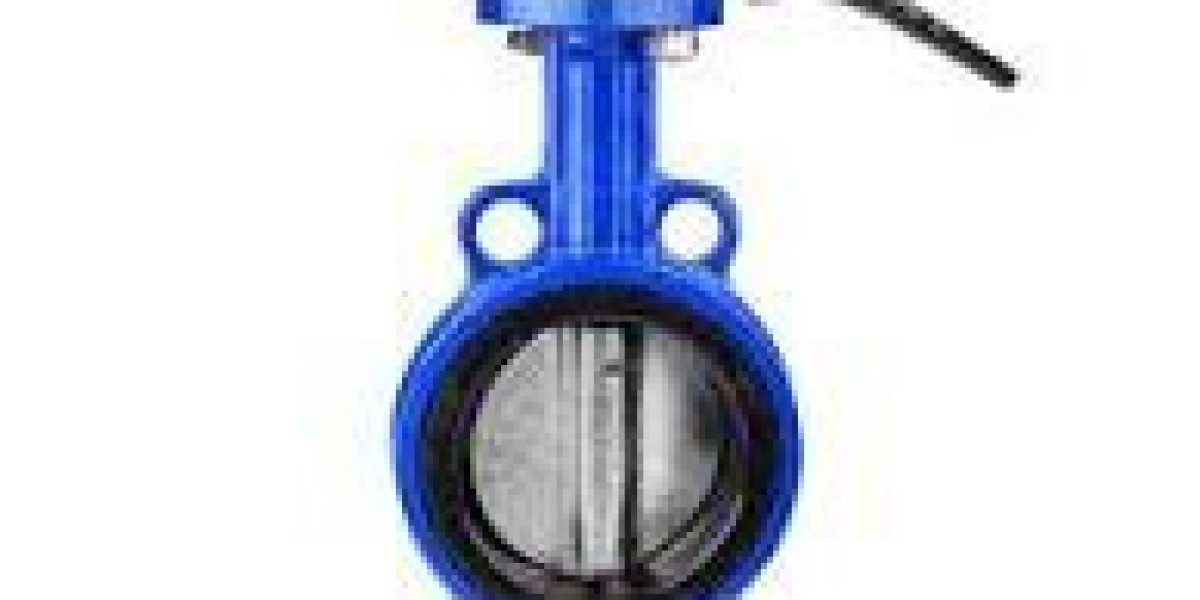

Sanitary butterfly valves are critical components in hygienic process systems, particularly in industries such as food and beverage, dairy, pharmaceuticals, cosmetics, and biotechnology. Among these, stainless steel sanitary butterfly valves with electric or pneumatic actuators offer a powerful combination of durability, automation, and hygienic flow control.
In this article, we will delve into the design, function, benefits, and industry-specific applications of these valves to help engineers, plant managers, and procurement specialists make informed decisions.
What is a Sanitary Butterfly Valve?
A sanitary butterfly valve is a flow control device designed to meet the strict hygiene standards of industries where contamination must be avoided. The valve features a disc that rotates 90° within the flow path to either allow or restrict flow. The design ensures minimal crevices and is often polished to a mirror finish for easy cleaning.
When paired with an electric or pneumatic actuator, the valve operation becomes automated, improving process efficiency and safety.
Key Features of Stainless Steel Sanitary Butterfly Valves
Material – 304/316L Stainless Steel
Stainless steel, especially 316L, is widely preferred for sanitary valves due to its excellent corrosion resistance, non-reactivity, and ease of cleaning.Hygienic Design
These valves are designed with smooth, crevice-free interiors, polished surfaces (Ra ≤ 0.8 µm), and connections like tri-clamp, SMS, DIN, RJT, or butt-weld to support hygienic installation and cleaning.Sealing Technology
High-grade EPDM, PTFE, or silicone seals are used to provide leak-proof shut-off while remaining compliant with FDA and USP standards.Actuation Options
Electric actuators offer precise positioning and low maintenance, while pneumatic actuators are ideal for fast, high-speed operations or hazardous zones.CIP/SIP Compatibility
These valves can withstand Clean-In-Place (CIP) and Steam-In-Place (SIP) cleaning procedures, maintaining hygiene without disassembly.
Electric vs. Pneumatic Actuation – Which to Choose?
Both electric and pneumatic actuators provide unique benefits depending on the process application.
Electric Actuator
Ideal for precise flow control
Requires electrical power (24VDC or 230VAC)
Slower operation but high accuracy
Suitable for remote control via PLC/SCADA
Quieter operation and low maintenance
Pneumatic Actuator
Fast open/close cycle
Requires compressed air
Ideal for on/off control
Available in single-acting (fail-safe) or double-acting modes
Compatible with hazardous areas using flameproof solenoids
Applications of Sanitary Butterfly Valves with Actuators
These valves are used across a variety of industries where automation and hygiene are key.
Food and Beverage
Used in juice, beer, dairy, soft drinks, sauces, and more. These valves ensure contamination-free fluid handling and support automated CIP cleaning cycles.
Dairy Industry
Commonly installed in pasteurization units, milk storage tanks, and fermentation processes. They maintain product purity and meet sanitary certifications.
Pharmaceutical and Biotech
Ideal for cleanrooms, bioreactors, and WFI systems. Their sterile design complies with GMP and FDA standards and supports SIP cycles.
Cosmetics and Personal Care
Used for processing creams, lotions, and gels. Their smooth design helps prevent residue buildup and cross-contamination.
Benefits of Stainless Steel Sanitary Butterfly Valves with Actuators
Improved Process Efficiency
Automation eliminates the need for manual valve operation, saving time and increasing productivity.
Reduced Risk of Contamination
The sanitary design, with polished interiors and FDA-approved elastomers, minimizes microbial growth and ensures product purity.
Cost-Effective Automation
Compared to other valve types, butterfly valves are economical to purchase, install, and automate.
Easy Maintenance and Installation
Tri-clamp or weld-end connections make installation and cleaning simple. Tool-free disassembly also reduces downtime.
Leak-Proof and Safe Operation
Precision machined parts and FDA-grade seals ensure a tight shut-off and safe fluid handling.
Factors to Consider When Selecting a Sanitary Actuated Butterfly Valve
Before selecting a valve, evaluate the following:
Media compatibility: Ensure the wetted parts are suitable for the process fluid.
Operating pressure and temperature: Confirm the actuator and valve are rated accordingly.
End connections: Match the valve ends with your piping standards (tri-clamp, DIN, SMS, RJT).
Signal compatibility: Choose between on/off or modulating actuators with 4-20mA or 0-10V control signals.
Fail-safe requirement: Pneumatic actuators can offer fail-open or fail-close configurations for safety.
Typical Sizes and Technical Details
| Size (NB) | Material | Actuator Type | Pressure Rating | Surface Finish | Seal Material |
|---|---|---|---|---|---|
| 1" – 6" | SS 304/316L | Electric/Pneumatic | Up to 10 bar | Ra ≤ 0.8 µm | EPDM, PTFE, Silicone |
Custom options may be available depending on the application, including higher pressure ratings, different seal materials, or flameproof actuator enclosures.
Conclusion
Stainless steel sanitary butterfly valves with electric or pneumatic actuators are a dependable choice for hygienic, automated fluid control across a wide range of industries. Their design supports high cleanliness standards, automation compatibility, and long-lasting performance in clean-in-place and steam-in-place environments.
Whether you're designing a dairy processing plant or upgrading a pharmaceutical line, choosing the right actuated sanitary valve is a critical decision that directly impacts product safety and process efficiency.