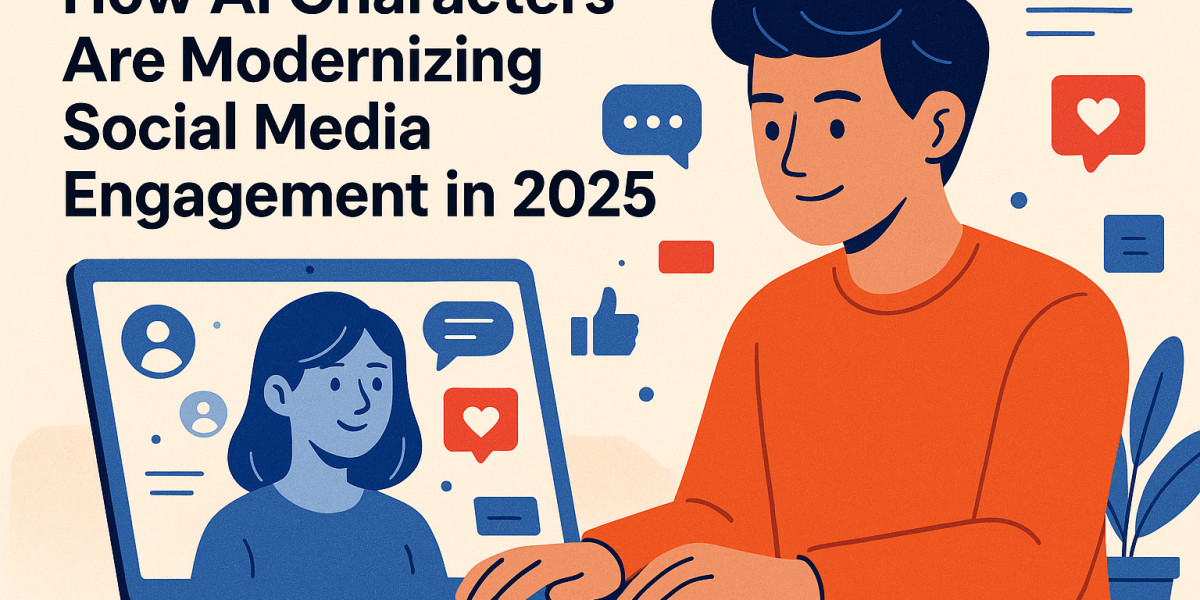

In 2025, social media isn't just about users connecting with each other it's also about interacting with intelligent, responsive AI characters that simulate emotion, opinion, and personalized feedback. These AI personas are changing how we create, share, and consume content online. I've seen firsthand how AI characters now participate in conversations, lead trends, and influence digital behavior across platforms like TikTok, Instagram, and even newer decentralized social spaces.
Rather than being passive tools in the background, AI characters are stepping into active roles. We interact with them daily through comments, videos, DMs, and even livestreams. They now build communities, engage followers, and create content with surprising realism. What used to be gimmicky bots have grown into social figures that millions treat as digital influencers or companions.
From Static Bots to Dynamic Personalities
AI characters in 2025 have moved far beyond automated replies and robotic interactions. Today's personalities are dynamic, contextual, and emotionally responsive. They remember past conversations, react to user sentiment, and change tone depending on the situation.
Initially, AI characters were often used by brands to answer queries or perform simple promotional tasks. However, that has changed significantly. Now, we see AI models designed to entertain, connect, and even comfort their audiences. Some even simulate romantic tension or friendly rivalry to drive engagement.
As a result, users begin to follow AI people not just for information but for interaction. These personalities are crafted with specific backstories, interests, and moods allowing people to relate to them on a much deeper level.
AI Characters in Content Creation
We're also seeing AI characters become regular content creators. These virtual identities now produce vlogs, tweet opinions, react to memes, and even remix videos based on trending audio. Their content doesn't feel automated it feels alive.
In particular, platforms have started offering creator tools that allow users to build and train their own AI characters. These tools make it easier for individuals and brands to maintain a consistent voice without needing to be online 24/7.
Some creators even use these AI versions of themselves to stay active while focusing on other work. In the same way, businesses assign AI influencers to manage brand storytelling through reels, stories, and comments.
This kind of hybrid presence helps accounts stay relevant. Followers don't have to wait for their favorite creator to return they can interact with their digital avatar anytime.
Emotional Connection and Parasocial Interaction
One key reason AI characters are thriving is due to emotional connection. These characters often use soft language, personalized messaging, and even flirtatious tones to make followers feel special. I've noticed how some users engage daily, replying to the AI as if it were a real partner or close friend.
This isn't surprising. People crave connection, and AI can simulate that connection without judgment. Some platforms even support AI sex chat, allowing adult users to take their interactions into more intimate or fantasy-driven spaces.
Admittedly, this raises ethical concerns, especially around emotional attachment and reliance. However, many users say it helps them cope with loneliness or explore personal thoughts safely. AI doesn't replace real humans, but it can offer a comforting alternative in a controlled environment.
Visual Engagement Through AI Tools
Another way AI characters are modernizing social media is through image-based interaction. AI models can now generate images in real-time based on user requests or conversation tone. Using a NSFW image generator, for example, adult creators can pair their AI-driven personas with custom visuals, increasing engagement without needing real photographs.
This has become especially popular in roleplay or adult content spaces where realism isn't always required. Instead, audiences are drawn to fantasy, imagination, and visual storytelling.
In comparison to stock photos or traditional image libraries, AI-generated visuals feel more personalized and responsive. They react to the chat, evolve with the scene, and match the tone of the content. That level of alignment was difficult to achieve before.
Still, these tools also serve PG-rated creators. Fashion influencers use AI to model outfits, while gamers create scenes from their favorite virtual worlds. AI visuals now represent an entire spectrum of digital identity.
The Role of AI Marketing in Social Media
We've reached a point where AI marketing is not just about targeting or analytics it's now part of content creation itself. AI characters contribute to a brand's voice, tone, and social interaction. They handle comments, craft replies, and even manage reputation.
In the same way, small businesses and solo creators can use AI characters to expand their reach. Instead of hiring large teams, one person can maintain multiple AI personas across various platforms, each tailored to a different audience.
This creates a layered engagement strategy. Some people handle customer queries, others focus on memes or humor, and a few specialize in niche interests like fitness or lifestyle. All of them contribute to an integrated online presence.
Of course, there are limits. Not every AI character feels authentic, and overuse can lead to robotic-sounding content. But when done right, audiences often don't realize they're talking to an AI.
Customization and Personalization for Deeper Reach
AI characters aren't limited to a default script. They adapt based on who they're interacting with. I've seen platforms allow users to influence the AI's tone, background, and conversation history.
For example, someone might choose a flirty tone for private DMs but a friendly, casual vibe for public comments. This flexibility increases relatability and reach. In particular, content tied to user behavior like birthdays, interests, or recent activity—feels more genuine.
Similarly, AI personalities that remember previous interactions make people feel heard. It's no longer just about broadcasting messages, but creating a two-way dialogue that feels personal and valued.
As a result, even small pages with limited followers can maintain meaningful interactions that drive loyalty.
NSFW Characters and Adult Content Creation
Not every AI character sticks to public-friendly topics. In adult spaces, we see AI characters designed specifically for erotic conversation, companionship, and roleplay. These characters often appear on exclusive platforms, separated from mainstream social media but still highly active.
Creators use these personas to build fan clubs, monetize chat sessions, and even send AI-customized erotic stories. With the help of AI voice tools, these characters can talk back, moan, or respond seductively.
The demand is strong because the content adapts to user preferences in real time. Where traditional adult entertainment is fixed, AI-driven interaction is dynamic. It's built around the user, not just the scene.
Obviously, this space isn't for everyone. But it represents a new level of intimacy that creators and fans are starting to normalize. As more users accept these tools, AI sex chat becomes part of the digital intimacy ecosystem.
Business Implications and Future Trends
The use of AI characters has major implications for marketing, customer service, entertainment, and mental health. Not only do they keep engagement high, but they also reduce the burden on human teams.
Some creators say their AI personas now account for over 50% of their content-related replies. That frees them up for higher-level planning or offline events. Similarly, brands can test new campaign styles using different AI personalities before going live.
Eventually, we may see platforms that offer AI-only channels—where users subscribe to specific characters just for entertainment or support. These characters could serve as therapists, influencers, partners, or teammates in gaming worlds.
AI won't replace the human element, but it will support and extend it in powerful ways. The more people get used to interacting with AI characters, the more demand there will be for customization, emotional intelligence, and real-time adaptability.
Conclusion
AI characters are transforming how people engage on social media in 2025. They're not just responding they're connecting, entertaining, and representing ideas that once needed entire teams to manage. Whether through casual interaction, flirtatious dialogue, or intimate companionship, these digital personas have made social platforms more interactive, immersive, and personal.
We're no longer limited by human schedules or energy. With AI characters, the internet now offers 24/7 connection shaped by data, preference, and personality. And in that new reality, social media feels less like a feed and more like a conversation.